Why go
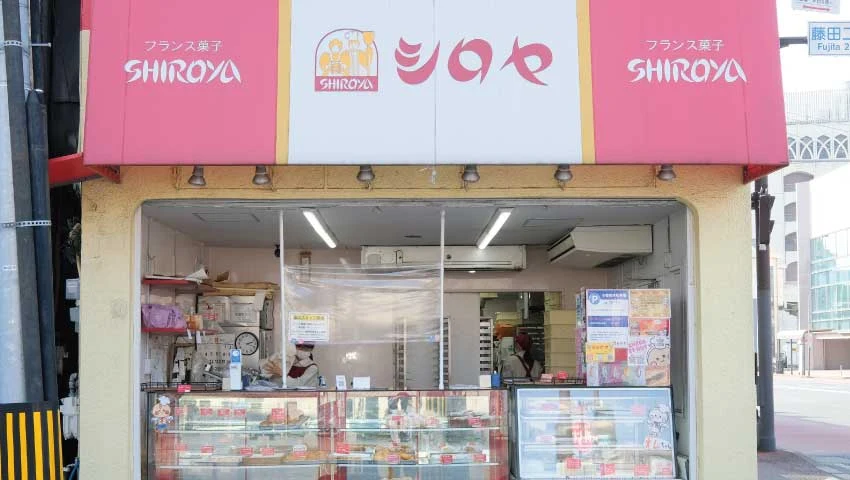
Sunny Pan is the reason most people join the queue at this Kokura counter. Shiroya has been baking in Kitakyushu since 1950, and the shop still runs on the same everyday logic: familiar bread, made fresh each day, chosen quickly and carried home.
A Kitakyushu bakery built on repetition
This is a long-running Japanese neighbourhood bakery rather than a chef-led room. The house has baked bread since 1950 and says its method has not changed in more than seventy years, which frames everything on the shelves: bread for routine meals, snacks and household use, not a sequence of courses or a drinks pairing. The details it holds onto are process ones, carefully selected ingredients and a two-stage dough preparation, and they explain why the assortment looks so consistent from one visit to the next. Read the shop through its staples rather than through décor or service ritual.
A busy local counter, not a dining room
Approach the Kokura shop as a product-led retail bakery. Shiroya runs several branches across the city and beyond, and that structure points to consistency: the same recognisable items, baked daily, sitting in the same place on the shelf. Nothing here is arranged around a named chef or a tasting sequence; the philosophy is operational, and the appeal is the bread case and a quick decision in front of it.
What that produces is a shop with real turnover. Trays empty and get refilled, and the counter works at the pace of people buying something to eat later the same day. Shiroya has become a recognised local name on exactly that basis, through repetition and familiarity rather than through reinvention.
Order Sunny Pan first, then the Omulet
Start with Sunny Pan, the item the house treats as its signature and the clearest way to understand what Shiroya is for. The Omulet is the second name to know, and between them they cover the soft, filled, lightly sweet register the bakery is best at. After those two, use the rest of the counter to see how the same method carries into the everyday assortment: the daily bake, the two-stage dough, ingredients chosen for consistency rather than novelty. Do not plan the visit like a restaurant meal. This is a bakery led by a couple of iconic products and a great deal of routine craft, and the pleasure is in how ordinary and how reliable that is.
Frequently asked questions
What should I order at Shiroya Bakery Kokura ten?
Start with Sunny Pan, the item the house treats as its signature and the quickest way to understand what the bakery is for. The Omulet is the second name to know. Between them they cover the soft, filled, lightly sweet register Shiroya is best at, and the rest of the counter follows the same method.
What kind of bakery is it?
An everyday retail bakery rather than a café or a chef-led pastry shop. Bread is baked fresh each day using a two-stage dough process the house says has not changed in more than seventy years, and the shop is set up for choosing quickly at the case and carrying the bag away.
Compare nearby places
| Venue | Type | Area |
|---|---|---|
| Cafe Ospitale | Café | Hakata |
| Café Diva | Café | Chuo-ku |
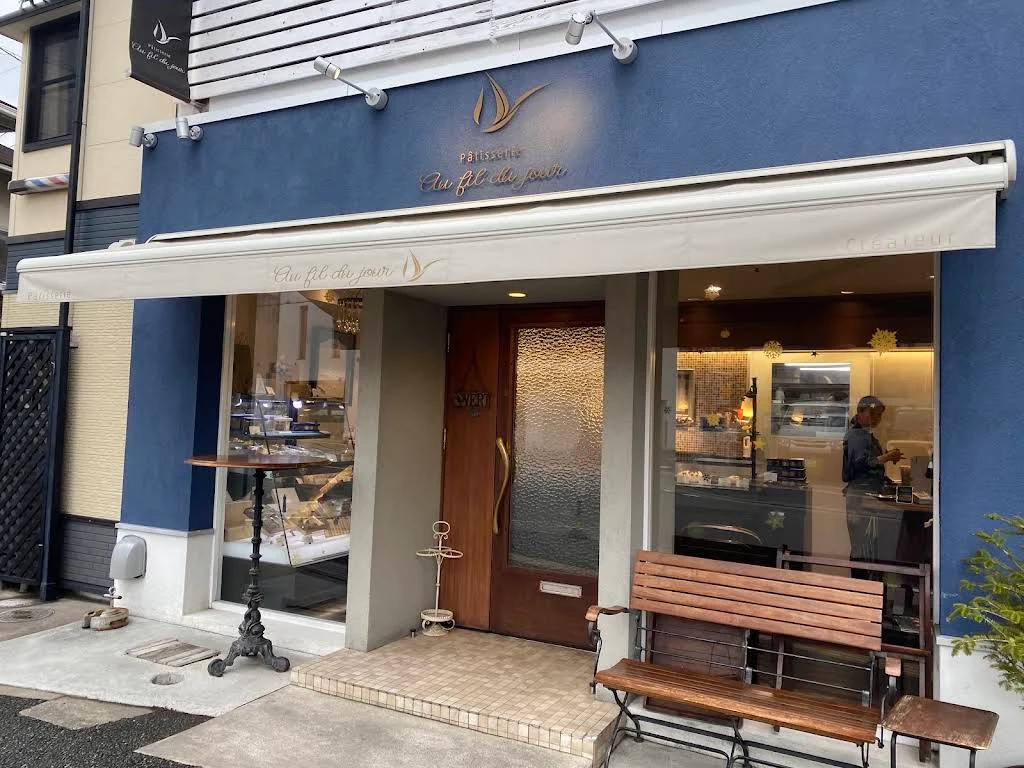
| Patisserie Au Fil Du Jour | Bakery | Sakurazaka |
| Coffee Bimi | Café | Akasaka, Chuo-ku |
| Strut Coffee | Café | Jeonpo / Seomyeon cafe street |