Why go
Home-roasted beans, mocha, and nel-drip discipline
Home-roasted beans and a cloth filter carry this Fukuoka kissaten, where the roast and the extraction do the work a long menu does elsewhere. Coffee Bimi belongs to the older Japanese coffee-house register, thinking in terms of green beans, roast profile, extraction and the countries the coffee comes from, which is how to read the place before the cup arrives. It is not chasing a long list of methods. Drip is the central language, with mocha as the named softer route, and beans are part of the programme rather than an afterthought. The house blends draw on Indonesia, Ethiopia and Guatemala, useful if you want the coffee to continue at home. Start by thinking like a regular buyer as much as a drinker: what roast, what origin character, what cup today.
A hushed room for the pour, not a fast turnover
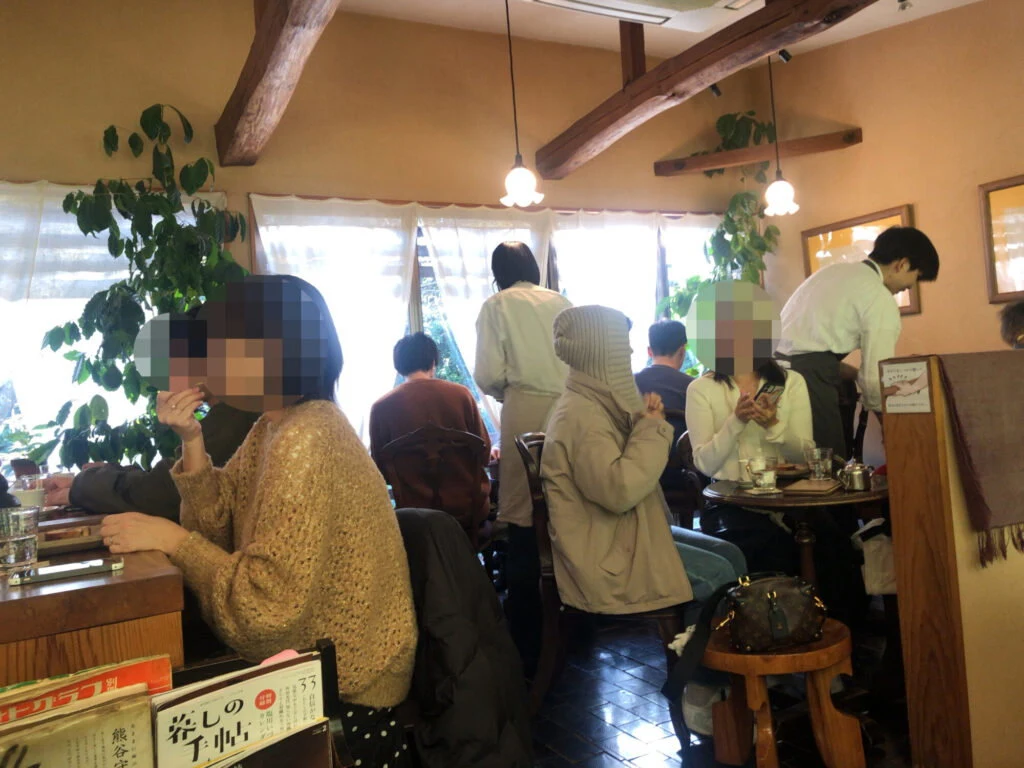
The room keeps the kissaten pace: dim warm lighting, Victorian-style furniture, counter service, and the kind of quiet that makes a drip preparation feel like the main event rather than a delay. It suits one or two people more than a group looking to spread out, and the best use of the place is a slow cup with attention on the bar. The shop works as a drinking room and as a small retail stop at the same time, so some people come for the cup and others come with a bag in mind and a question about the roast. That split matters, and the atmosphere follows from it, restrained, exact, and coffee-first.
Order the nel-drip first, then buy the blend
Order the deep-roasted nel-drip coffee first. It is the clearest expression of what Coffee Bimi is doing, a cloth-filter brew suited to slower extraction, weight, and a darker roast profile. If you want the gentler side of the counter, the mocha is the named choice, especially when a straight black cup feels too severe. For beans, the house blends from Indonesia, Ethiopia and Guatemala are the practical order, because they connect the in-house cup with the shop's retail role. The right sequence is simple: drink the nel drip, decide whether the roast suits your morning at home, then take beans if it does. Coffee Bimi rewards that kind of visit, plain, repeatable, and based on attention rather than novelty.
Tags
Frequently asked questions
What is the nel-drip coffee at Coffee Bimi?
Nel drip is a cloth-filter brew, and here it is served deep-roasted, which suits slow extraction, weight in the cup and a darker profile. It is the clearest expression of what the shop does and the thing to order before anything else. The mocha is the gentler alternative when a straight black cup feels too severe.
Can you buy beans at Coffee Bimi?
Yes, and the retail side is part of the programme rather than a sideline. The house blends draw on Indonesia, Ethiopia and Guatemala, so the sensible sequence is to drink the nel drip first, decide whether the roast suits your mornings at home, then take a bag if it does.
Compare nearby places
| Venue | Type | Area |
|---|---|---|
| Cafe Ospitale | Café | Hakata |
| Café Diva | Café | Chuo-ku |
| Patisserie Au Fil Du Jour | Bakery | Sakurazaka |
| Shiroya Bakery Kokura ten | Bakery | Kokurakita-ku |
| Strut Coffee | Café | Jeonpo / Seomyeon cafe street |