Why go
One pastry carries this counter: sfogliatella, the shell-shaped Neapolitan dolce, folded by hand and baked until the outside shatters.
Neapolitan folds, made for a Fukuoka counter
Cafe Ospitale builds everything around a sweet that has been made in Naples since the seventeenth century, described by the house as a 17世紀から伝わるイタリアナポリ伝統ドルチェ. The pastry’s name refers to its many folded layers, and the kitchen treats that structure as the concept rather than as decoration: the dough is stacked by hand before it goes into the oven, and the layers are what you are buying.
The Fukuoka adaptation is specific. The traditional Italian filling uses ricotta with cinnamon and orange; the plain version here swaps in cream cheese, keeping the cinnamon and orange but tuning the dairy for Japanese palates. The house describes the result as 外はバリっバリ, brittle outside, with a clean aromatic centre. In Fukuoka terms this is a product-led Italian dolce counter, not a general bakery-café.
A sweets counter built for the quick break
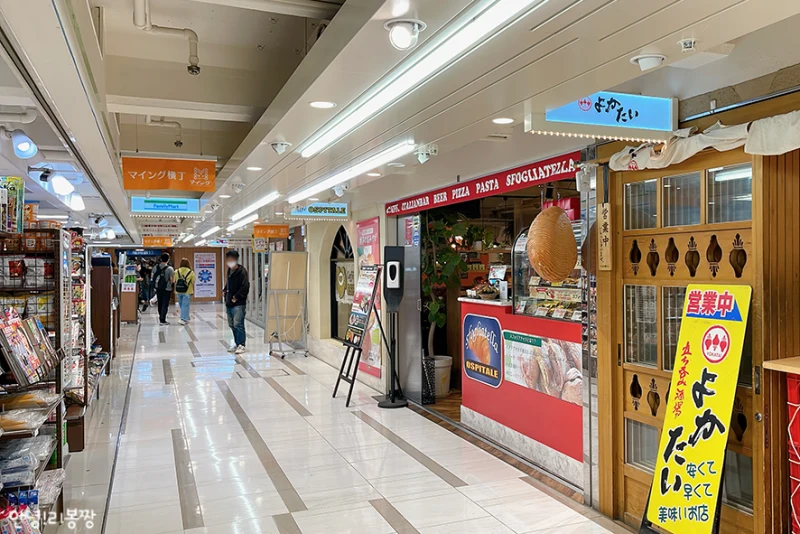
Access runs through permanent shops at マイング博多店 and DOLCE&天神ワンビル店, putting the pastry in the Hakata and Tenjin nodes, with appearances at department stores and event venues elsewhere in Japan. The format is retail: see it, choose it, eat it, rather than settle in for an afternoon.
The technique explains that rhythm. The dough is not fermented, and the pastry bakes slowly at low temperature for around an hour and a half. Instead of butter, the kitchen uses olive oil and pure lard, and much of that fat drips onto the tray during the long bake, which is how the exterior ends up as brittle as it does. The pleasure is watching a single item done with that much specificity rather than browsing a wide case.
Order the plain sfogliatella first
Take the plain sfogliatella first, because it expresses the adaptation most clearly. The cream cheese, cinnamon and orange filling keeps the Neapolitan reference point while adjusting the dairy, and it lets the architecture show: shell-like form, many folds, crisp exterior, aromatic centre instead of a heavy cream load.
Read the texture before chasing variety. The method here is set against conventional pastry made with butter and a faster, hotter bake, and the difference is audible. Olive oil, pure lard, unfermented dough, hand layering and a low, slow oven are what produce the crunch that defines the counter. In Fukuoka, this is a specialist built around one historic Neapolitan pastry and the technique required to keep it crisp.
Tags
Frequently asked questions
What is sfogliatella?
It is a shell-shaped Neapolitan pastry built from many thin folded layers, made in Naples since the seventeenth century. The version here keeps cinnamon and orange in the filling but uses cream cheese in place of the traditional ricotta, which suits Japanese palates while leaving the crisp layered structure intact.
What makes the pastry so crisp?
The dough is not fermented, and it bakes slowly at a low temperature for about an hour and a half. Olive oil and pure lard replace butter, and much of that fat runs off onto the tray during the bake, which is what leaves the outside brittle rather than rich.
Compare nearby places
| Venue | Type | Area |
|---|---|---|
| Coffee Bimi | Café | Akasaka, Chuo-ku |
| Café Diva | Café | Chuo-ku |
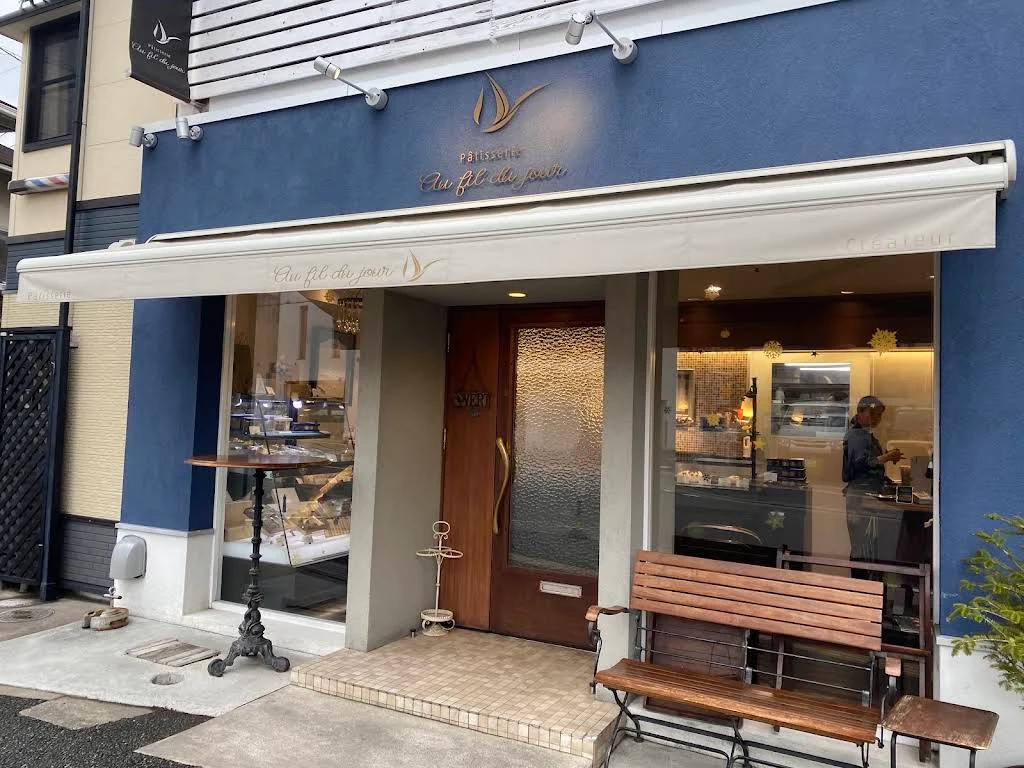
| Patisserie Au Fil Du Jour | Bakery | Sakurazaka |
| Shiroya Bakery Kokura ten | Bakery | Kokurakita-ku |
| Strut Coffee | Café | Jeonpo / Seomyeon cafe street |