Kintetsu Nara Station area

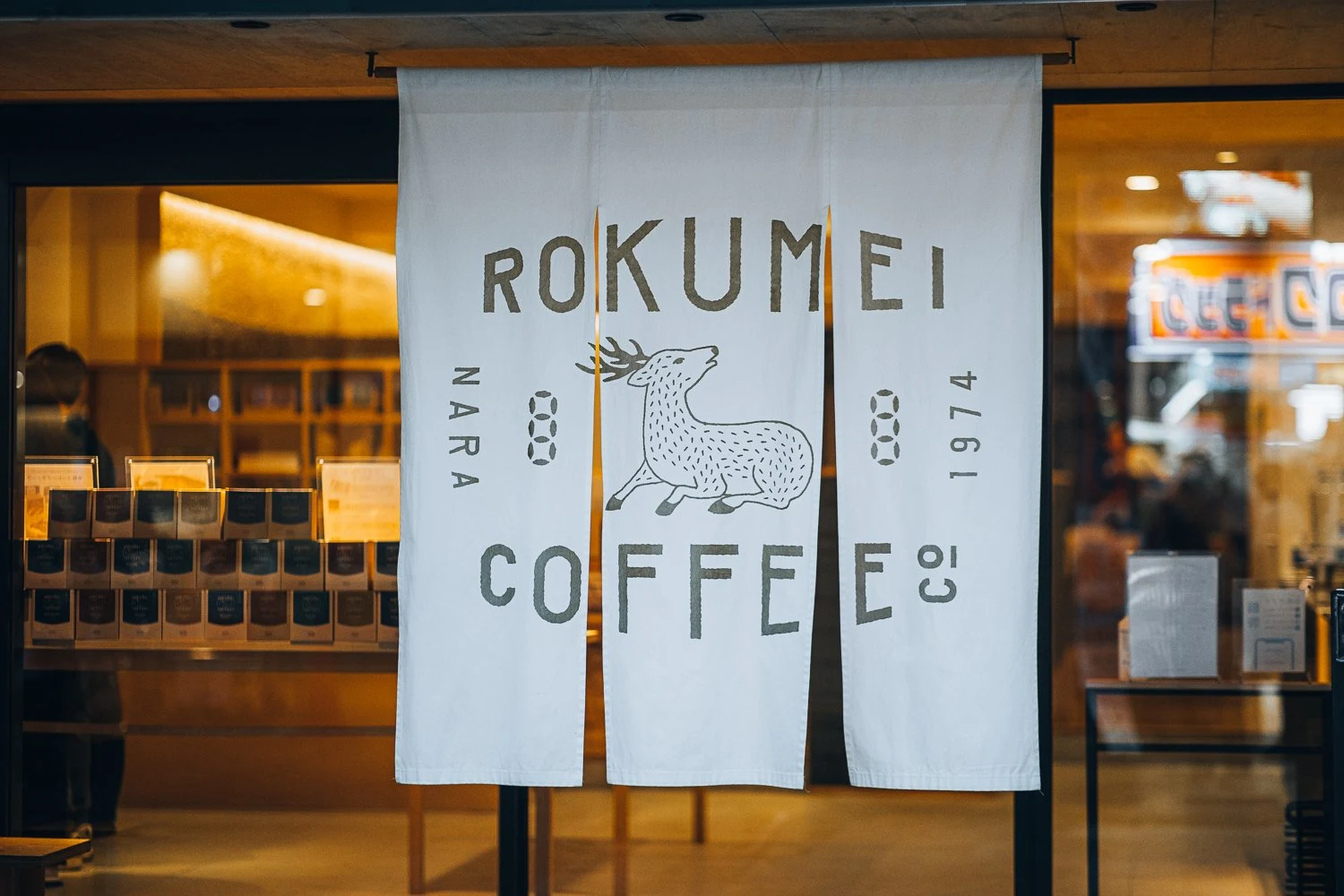
Rokumei Coffee Nara ten

CafeSpecialty Coffee Shop4.5 on GoogleAbout $7 a head
Rokumei Coffee Nara ten

Why go

Approaching the café quarter around Kintetsu Nara, the city changes register: temple paths and deer-park itineraries give way to shopfronts built for short pauses, morning caffeine, and the kind of light meal that fits between station arrival and cultural sightseeing. In that setting, Rokumei Coffee Nara ten belongs to a modern Japanese café tradition that has moved beyond kissaten nostalgia without abandoning the local habit of treating coffee as a serious daily ritual.

Nara’s dining identity is often framed through shojin ryori, kakinoha-zushi, soba, and the refined cooking attached to old capital culture. Cafés occupy a different role. They are less ceremonial, more practical, and often where visitors measure the city’s contemporary pace. The interest here is not scale or spectacle, but a specialty-coffee format that sits comfortably beside a heritage-heavy itinerary. Selection for Tabelog Cafe WEST “Tabelog 100” 2025 gives the room a clear trust signal in a category where serious coffee counters and casual cafés can otherwise blur together.

Specialty coffee as Nara's daytime counterweight to temple dining

Japan’s specialty-coffee scene has developed its own grammar: beans roasted with precision, grinding handled to order, and barista work treated as craft rather than garnish. That matters in Nara because the city’s visitor economy can tilt toward convenience cafés near stations and shrine approaches. A venue in the low-price band that still earns a regional café selection changes the calculation for travelers who want a serious cup without turning the day into a destination meal.

The café’s stated focus is freshly ground coffee prepared after ordering, with professional baristas handling the cup. That detail places it in the contemporary specialty lane rather than the dessert-led café lane. The food notes point toward vegetable-conscious options, health-and-wellness menus, and vegetarian choices, which gives it utility in a city where meat-light meals exist but are not always obvious on quick tourist routes.

Its recognition also reads differently from restaurant awards attached to tasting menus. A Tabelog Cafe WEST “Tabelog 100” 2025 listing rewards consistency in a category built on repetition: morning orders, solo seats, takeaway, and short dwell times. For a traveler, that is the practical appeal. The café is not asking for an entire evening. It works as a calibrated daytime stop inside a city better known for temples than for third-wave coffee culture.

How it compares with Nara's more formal dining choices

Nara rewards planning at dinner, but it also punishes over-planning during the day. The city’s stronger meals often sit in specific formats: Italian at RISTORANTE Borgo KONISHI, soba at Soba Kiri Momoyo Zuki, higher-spend local dining at Momoshiki, or the broader Japanese registers represented by Ajinokaze Nishimura and Ajinotabibito Roman. Against that field, Rokumei Coffee Nara ten is useful precisely because it does not compete as a long lunch or dinner reservation.

The better way to read it is as a hinge between categories. Travelers using our full Nara restaurants guide may be choosing between structured meals such as 37+1 - Sanjuhachi, French cooking at A VOTRE SANTE (French), Spanish-leaning innovation at akordu (Spanish, Innovative), and Japanese rooms including Ajinokaze Nishimura (Japanese) or Ajinotabibito Roman (Japanese). A café like this belongs before or between those decisions, not instead of them.

That is also why its price positioning matters. Nara has plenty of casual stops, but a sub-¥1,000 average price band attached to a recognized café selection gives the stop a better argument than convenience alone. Reservations are unavailable, which suits the format: this is a queue-and-flow café rather than a table held for a long sitting. The 42-seat count gives it more flexibility than a tiny counter, though larger groups may be split during busy periods.

Where it fits in a Nara itinerary

The strongest use case is early in the day or between cultural stops, when coffee quality matters but schedule control matters more. The location near Kintetsu Nara makes it particularly relevant for arrivals by rail, and the non-smoking policy, takeaway service, card and electronic payments, Wi-Fi, power outlets, counter seating, sofa seating, and child-friendly note widen its audience without turning it into a generic lounge.

For travelers building a fuller Nara stay, the café works as a practical anchor around other categories. Pair it with our full Nara hotels guide for base selection, then use our full Nara bars guide, our full Nara wineries guide, and our full Nara experiences guide to separate daytime culture from evening drinking and regional excursions.

In a national context, it also sits inside Japan’s broad casual-dining map, where specialized low-price venues can carry as much identity as formal restaurants. Compare the category spread from.cafe in Osaka and.know in Kumamoto to focused food formats such as [Curry Senmon Ten] Maruyama Kyoju. in Sapporo, (Shoku) Vietnam in Kawasaki, -Grilled beef Sukiyaki- KAMAKURA TANUKIAN 鎌倉 たぬき庵 in Kamakura, and. 鮪と炭火焼き うお炭 秋葉原店 in Tokyo. Even outside Japan, simple formats can define a city day as sharply as tasting menus, from Jōdo Saké Bar in Los Angeles to Onigiri Time in Pasadena.

The editorial verdict is practical: this is the Nara coffee stop to prioritize when a recognized specialty-café format, vegetarian-friendly notes, and station-area convenience matter more than a long meal. It is strongest as a morning reset, a solo stop, or a low-commitment pause between Nara’s older cultural obligations.

Tags

CozyModernQuietHidden GemSoloDesign DestinationStandalone