Why go
Fruit-led patisserie in Tomio
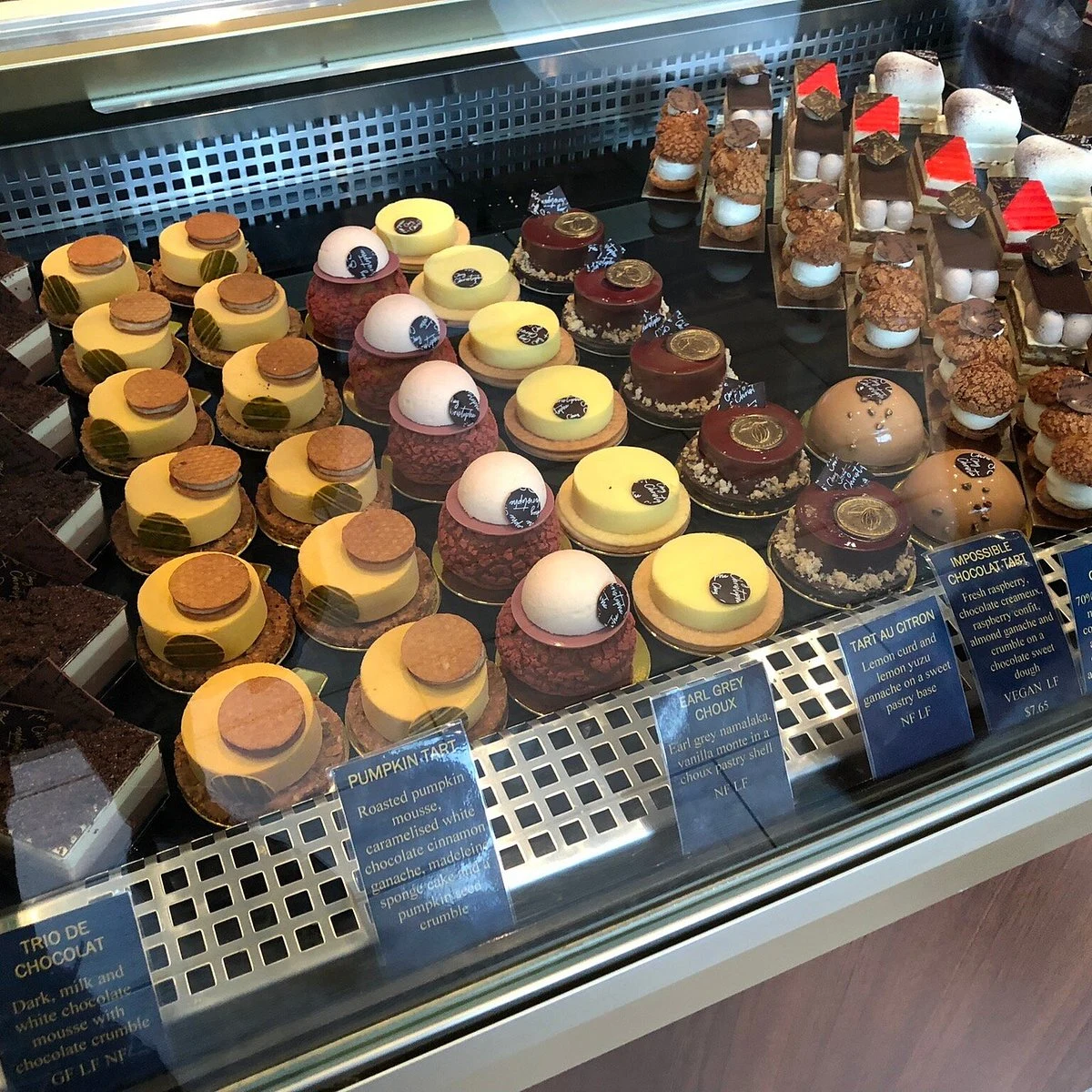
Mango cassis is the clearest way into Patisserie Chocolaterie Emera: mango set against blackcurrant, sweetness pulled back by acidity, which is the balance the whole case is arranged around. Beside it sit Coupe mango coco, a cup dessert of mango and coconut, Tartelette fruit frais, Fromage avec rhubarbe and a Pavlova, a run of fruit-forward tartlets, dairy acidity and meringue texture in restrained French forms.
The shop is a cake and Western confectionery specialist in the Tomio area of Nara rather than a café to settle into, and it has been in the same family since 1970, when the first generation began making cakes here with the stated aim of sweets that accompany a neighbourhood. The second generation now runs it under a father-to-son framing, having trained in Japanese patisseries and then spent three years in Brussels before returning.
A small shop that asks you to choose
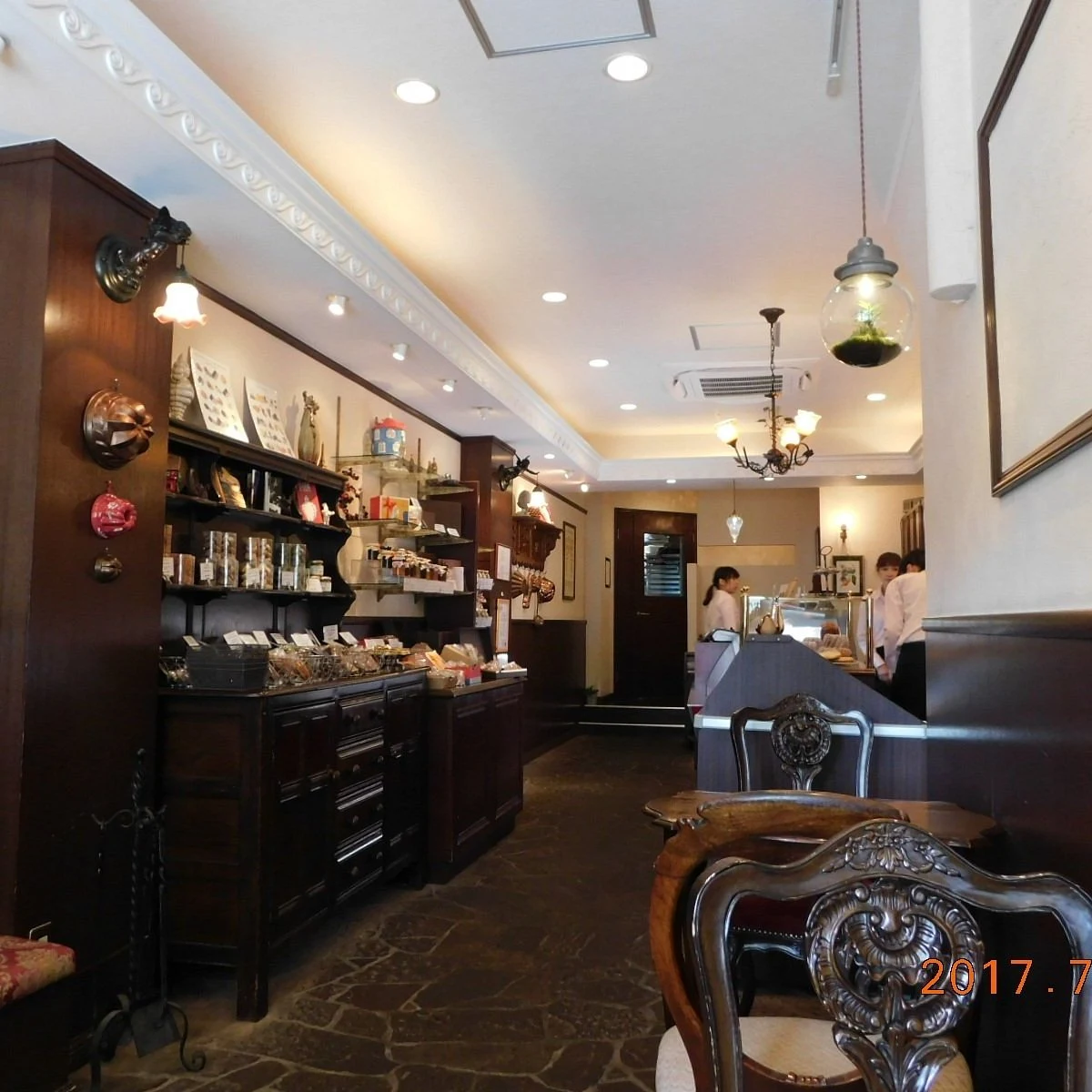
The room is understated and product-led. There is no long menu to work through, only a case, and the experience is closer to choosing from a crafted assortment than sitting down to eat. Attention goes into ingredient selection and handwork, and into everything between production and the moment the box reaches the customer.
The house philosophy is unusually specific about how a cake should behave: light in the mouth, clean as it goes, with a deep aftertaste that invites one more bite. The shop says it does not chase trends or overcomplicate, working instead on the completeness of classical pastry so that a piece feels worth what it costs. That is a conservative position, and the case reflects it.
Start with the Mango cassis
Take the Mango cassis first if it is in the case. It states the house preference for acidity against sweetness more plainly than anything else on display, and it is a fair test of whether that balance actually lands. Coupe mango coco stays close to it, using mango and coconut in a cup format built for freshness and immediate texture.
For the classical route, Tartelette fruit frais is the fresh-fruit tartlet to look for, and Fromage avec rhubarbe brings a cheese element against rhubarb's tartness. Pavlova moves toward crisp meringue and air. Read the selection through the shop's own priorities, which are classical foundations, a restraint closer to Japanese sensibility than French spectacle, and a finish that does not sit heavily.
Frequently asked questions
What should I order at Emera?
Mango cassis first, since it states the shop's preference for acidity against sweetness more plainly than anything else in the case. Coupe mango coco stays close to it in a cup format. For the classical route, take Tartelette fruit frais, or Fromage avec rhubarbe for cheese against rhubarb.
What kind of patisserie is Emera?
A cake and Western confectionery specialist in the Tomio area of Nara, run by the same family since 1970 and now in its second generation, with training in Japanese patisseries followed by three years in Brussels behind the current work. The style is classical French, restrained and fruit-led.
Compare nearby places
| Venue | Type | Area |
|---|---|---|
| Rokumei Coffee Nara ten | Café | Kintetsu Nara Station area |
| Patisserie Rielg | Bakery | Higashi-Osaka |
| Bird COFFEE | Café | / Tsurumi-ku |
| Boulangerie goût | Bakery | Chuo Ward |
| LA PATISSERIE KATSURA | Bakery | Temma |