Takatsuki

Resolve Coffee Ten

CafeSpecialty Coffee Shop4.3 on GoogleAbout $5 a head
Resolve Coffee Ten

Why go

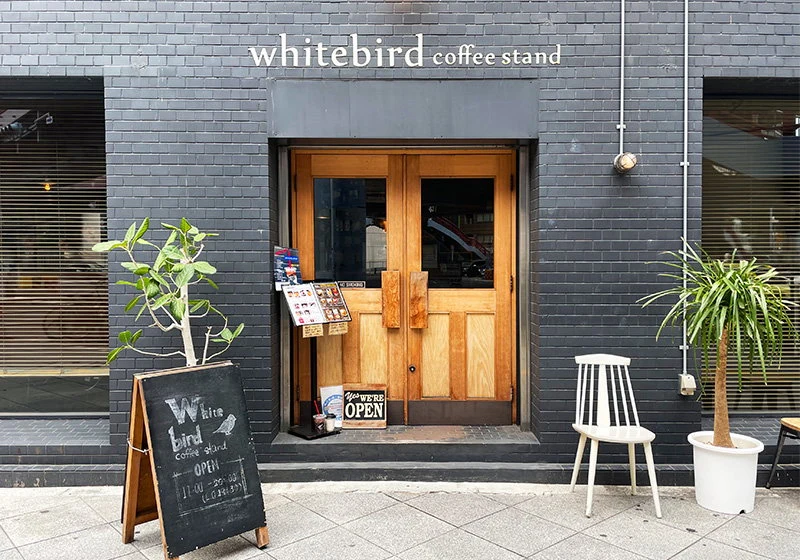
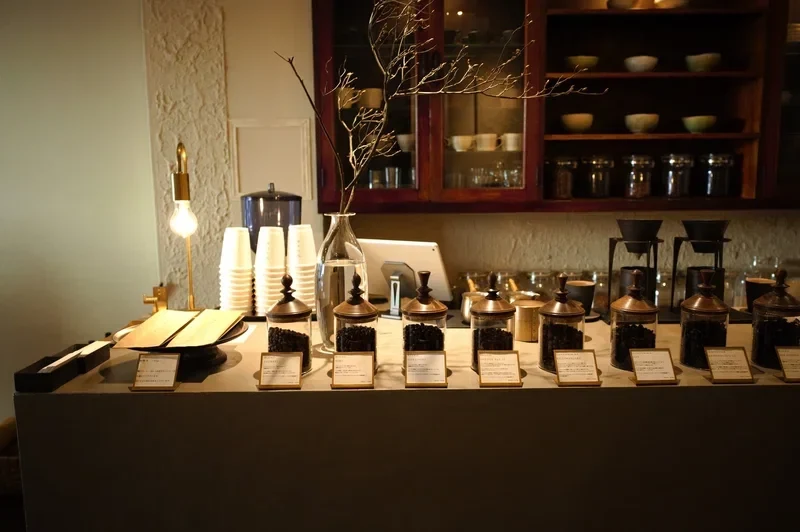
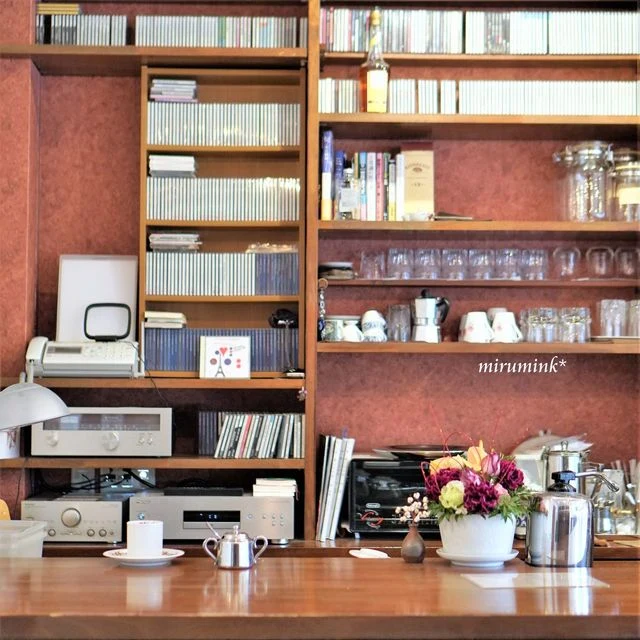
Takatsuki slows the Osaka itinerary before coffee enters it. Visitors are usually pulled toward station food halls, department-store basements, ramen counters, and late-night bars; this small kissaten-style cafe asks for a deliberate detour. Resolve Coffee Ten belongs to the older Japanese coffee-shop lineage: compact room, measured pace, and restraint over spectacle. It is a short-format stop that rewards timing more than appetite.

Osaka cafe culture is often flattened into takoyaki, okonomiyaki, kushikatsu, and train-station grazing, but the city supports several dining speeds at once: turnover queues, neighborhood bakeries as breakfast infrastructure, and coffee rooms where a seat is the scarce commodity. For that wider range, Our full Osaka restaurants guide is more useful than treating cafes as filler between meals.

A 12-seat kissaten stop in a city built for quick eating

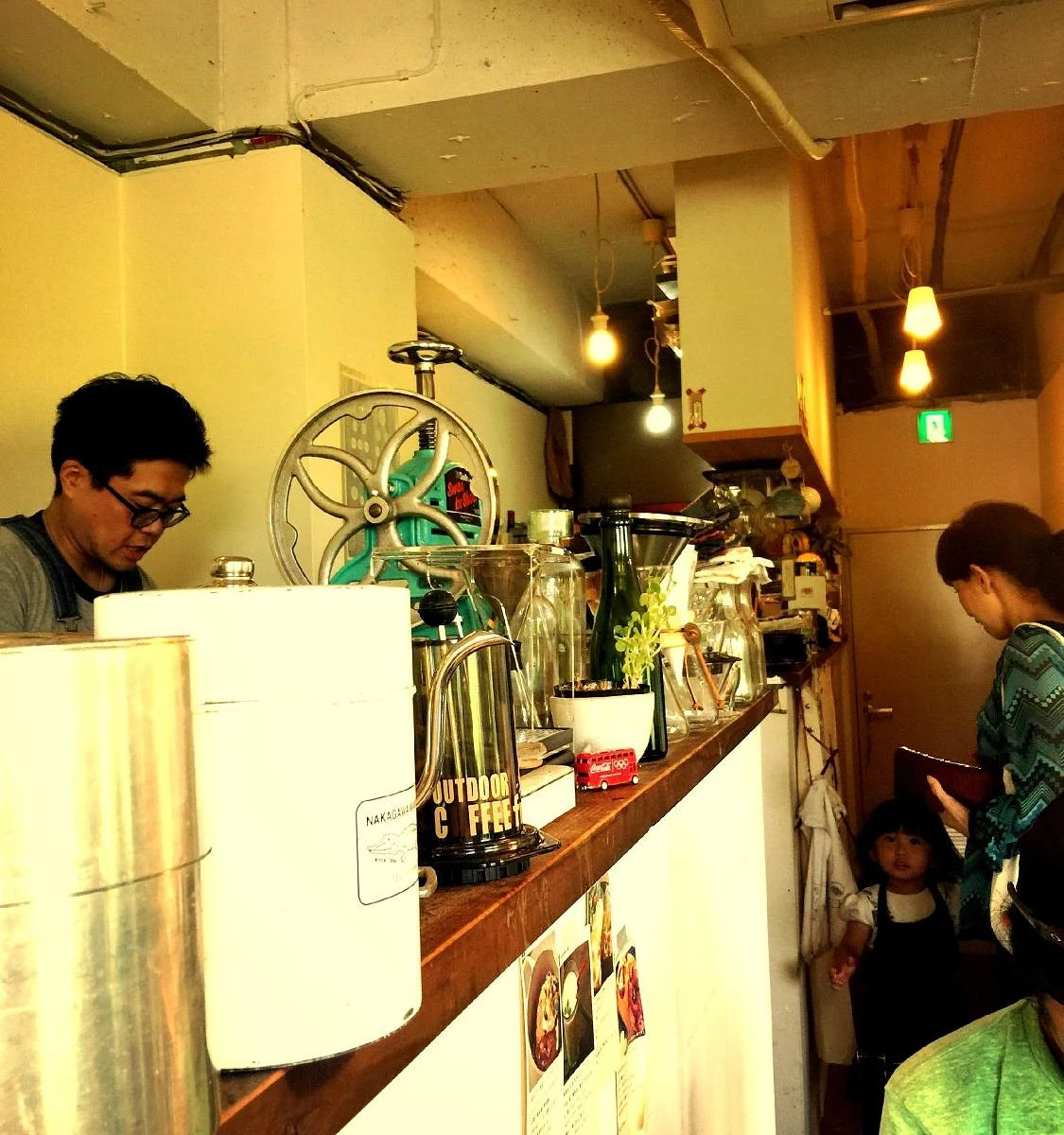
Capacity is the key context. A 12-seat room split between counter and table seating behaves unlike a larger cafe with flexible walk-in flow. Casual does not mean frictionless; small Japanese coffee shops can tighten at peak rhythm because every lingering table affects the next arrival. Resolve Coffee Ten takes no reservations, so the burden is timing, not concierge access. Think neighborhood queue calculation, not luxury booking problem.

Its recognition matters because kissaten awards are not fine-dining stars. Selection for Tabelog 100 Kissaten 2022 places the cafe in a national conversation around Japanese coffee-shop culture, where consistency, atmosphere, and local affection matter as much as chef authorship. In Osaka, where casual excellence is often measured by repeat neighborhood use, that signal carries weight without making the visit formal.

Price also shapes the decision. Listed spend is under JPY 999, putting the stop outside full lunch planning. Nearby Osaka comparisons define the bracket: present and Shio Ramen Asuryu also sit under JPY 999, while Vasco Da Gama Honten, Menya Hakkaisan, and Nakamura Shoten Takatsuki honten are in the JPY 1,000 to JPY 1,999 band. Coffee is not a meal substitute; it is easier to justify when heavier Osaka eating comes later.

Takatsuki rewards travelers who plan beyond central Osaka

The Takatsuki location is the point. Central Osaka rewards improvisation because density supplies backups: if one counter is full, another is nearby. Takatsuki requires a more intentional route. That distance from the standard visitor circuit is not a flaw; it is why the stop feels different from a cafe inside a shopping complex. The trade-off is fewer surrounding alternatives but a clearer sense of local routine.

That routine sits beside other Osaka modes. A casual-food day might pair bakery and snack culture through 52CHO-ME BAKERY or 551 Horai (551蓬莱), then shift to a seated coffee break instead of another queue meal. For a contemporary cafe reference, .cafe shows Osaka’s lighter daytime circuit outside the classic kissaten frame.

The no-card, no-electronic-payment setup also reflects smaller independent rooms in Japan. Cash remains part of the operating culture at many compact venues, especially beyond prime tourist corridors. This is logistics, not nostalgia. Arrive with cash, a flexible window, and tolerance for waiting; compress it between timed museum tickets and a dinner counter, and a modest cafe becomes avoidable stress.

Resolve Coffee Ten is best understood as punctuation, not destination: a disciplined pause in a city where eating can become continuous. It is less suited to a full-afternoon workplace cafe and better for travelers using Takatsuki within a wider north-Osaka day. Families and solo diners both fit the listed occasion profile, but the small room argues for modest group size.

How to fold it into an Osaka food day without overbuilding the plan

Treat the cafe as a timed opening, not a hard reservation. Osaka rewards appetite management. A low-spend coffee stop before ramen, curry, sukiyaki, or Italian cooking gives structure without stealing the meal slot. If the day is restaurant-led, compare categories rather than cuisines: 99 Pizza Napoletana Gourmet and a canto (Italian) are different decisions, where the meal is the anchor, not the interval.

Travelers moving through Japan can use this stop to calibrate small-format food culture. The same itinerary logic appears in different registers at -Grilled beef Sukiyaki- KAMAKURA TANUKIAN 鎌倉 たぬき庵 in Kamakura,. 鮪と炭火焼き うお炭 秋葉原店 in Tokyo,.know in Kumamoto, (Shoku) Vietnam in Kawasaki, [Curry Senmon Ten] Maruyama Kyoju. in Sapporo, and [ki:] in Kyoto: the question is not glamour, but how much friction the format adds to the day.

In Osaka, keep the cafe in a daytime food circuit and save heavier planning for dinner, bars, or hotel geography. Our full Osaka hotels guide helps decide whether Takatsuki fits naturally from a chosen base; Our full Osaka bars guide is better once the evening moves from coffee to drinking. Wider regional or category-led itineraries can also cross-reference Our full Osaka wineries guide and Our full Osaka experiences guide.

The verdict is disciplined: do not force this into a first-time, two-day Osaka itinerary already packed with central-market eating. It is more persuasive for repeat visitors, coffee-focused travelers, and anyone staying in or moving through northern Osaka. Compared with destination restaurants, the stakes are lower; compared with ordinary cafe filler, the Tabelog 100 Kissaten recognition and 12-seat scale make timing matter. Beyond Japan, Jōdo Saké Bar in Los Angeles and Onigiri Time in Pasadena show how Japanese food-and-drink rituals translate when format, pacing, and audience change.

Tags

QuietCozyHidden GemSoloCasual HangoutAfter WorkStandalone