Why go
A cake case built for the calendar
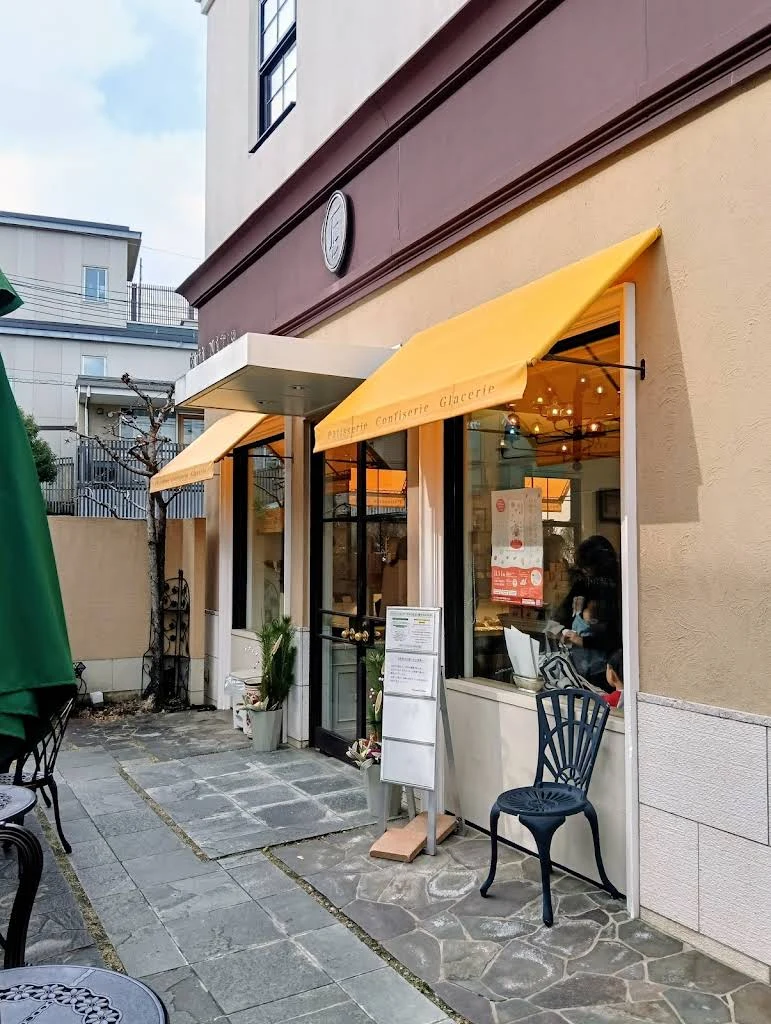
Glass cases of colourful cakes set the tone in this bright Nishinomiya shop, and the choosing happens right there at the counter. The Seihoku Roll is the piece the shop is known for, a roll cake that carries the house style in one slice, with cream puffs beside it as the everyday order. Citrus runs through the seasonal work: Petit Lemon as the small format, and the Shimanami lemon weekend citron as the most specific of the limited releases. The rest of the year follows the Japanese confectionery calendar, with Christmas cakes, Mother's Day cakes and boxed seasonal gifts arriving on cue, so the case looks different in December than it does in May.
The chef behind the counter
Eiji Nitta was born in Osaka in 1967, trained at the Tsuji Culinary Institute, and spent eighteen years at Hotel New Otani Osaka from the day it opened. He collected competition results along the way, including a 2002 win on the cake craftsman episode of Television Champion on TV Tokyo. That background explains the shop more than any single product does: hotel pastry discipline, French-style technique, and a stated aim of facing the ingredients honestly and making sweets that are honestly delicious. The result is a hotel-trained, chef-led patisserie rather than a general café, and the cakes are built for sharing at a table rather than eating on the move. The naming runs in both Japanese and Roman letters, and the identity stays tied to the chef rather than to a wider brand.
Order the Seihoku Roll first
Start with the Seihoku Roll, since it is the item the counter is built around and the cleanest read on the chef's hand. Take a cream puff alongside it for contrast, then look for whatever citrus is running, because the lemon pieces are where the seasonal work shows most clearly, from Petit Lemon to the Shimanami lemon weekend citron. If the visit is tied to an occasion, the celebration cakes are the planned purchase: Christmas and Mother's Day cakes anchor the year, and the boxed sweets are made to be given rather than eaten standing up. There is no long fixed menu to work through here. The calendar and the chef decide what is in the case, and the pleasure is in seeing what has landed.
Frequently asked questions
What should I order at Patissier Eiji Nitta?
The Seihoku Roll first. It is the item the shop is known for and the clearest read on the chef's style. A cream puff makes a good second choice, and the seasonal citrus is worth checking, from the small Petit Lemon to the Shimanami lemon weekend citron. Celebration cakes are the planned order for an occasion.
What kind of pastry does Patissier Eiji Nitta make?
French-style cakes and gift sweets, made by a chef who trained at the Tsuji Culinary Institute and spent eighteen years in hotel pastry at Hotel New Otani Osaka. The case follows the Japanese confectionery calendar, so Christmas cakes, Mother's Day cakes and seasonal citrus releases sit beside the everyday roll cakes and cream puffs.
Compare nearby places
| Venue | Type | Area |
|---|---|---|
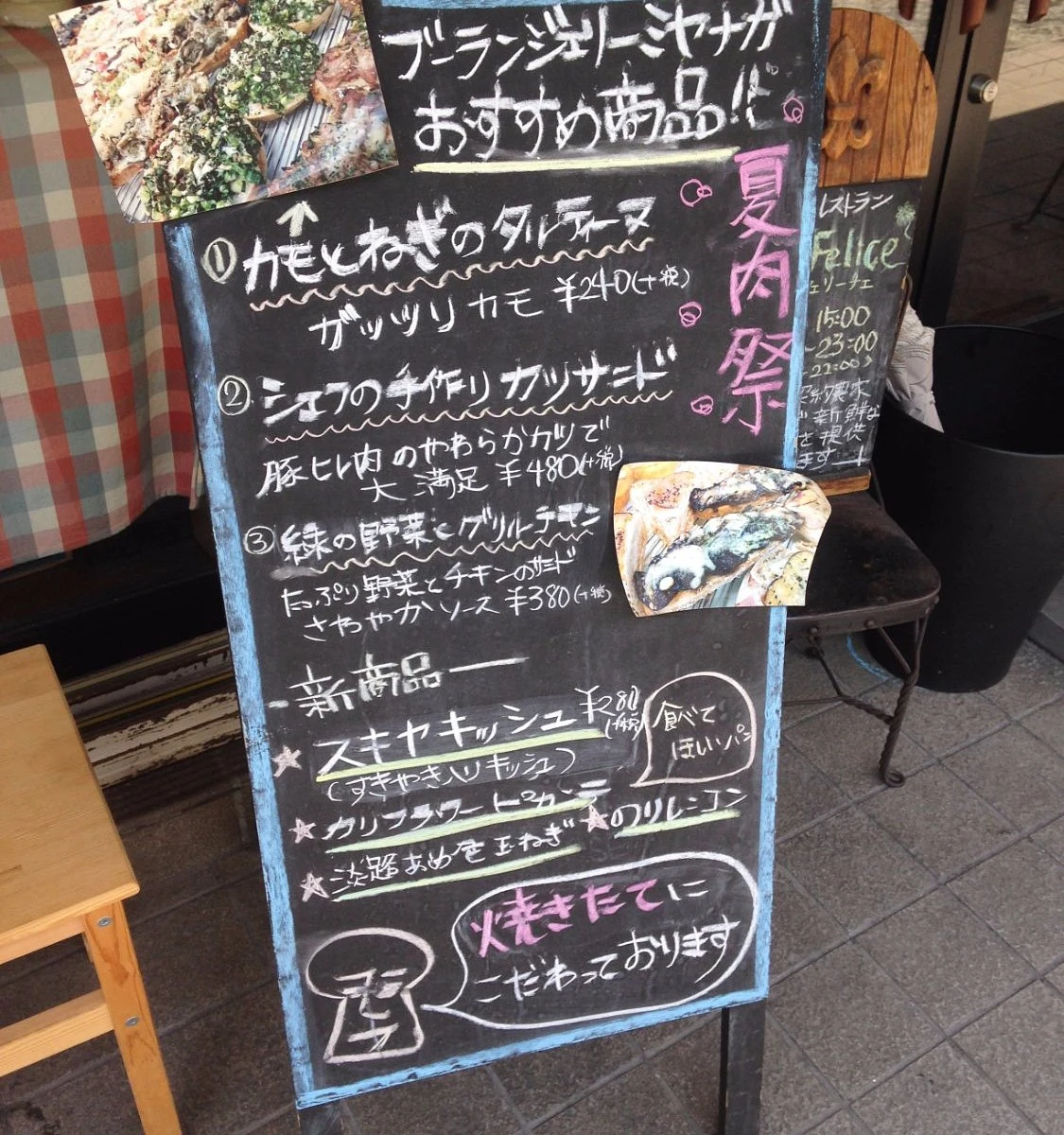
| Boulangerie Miyanaga | Bakery | Shukugawa |
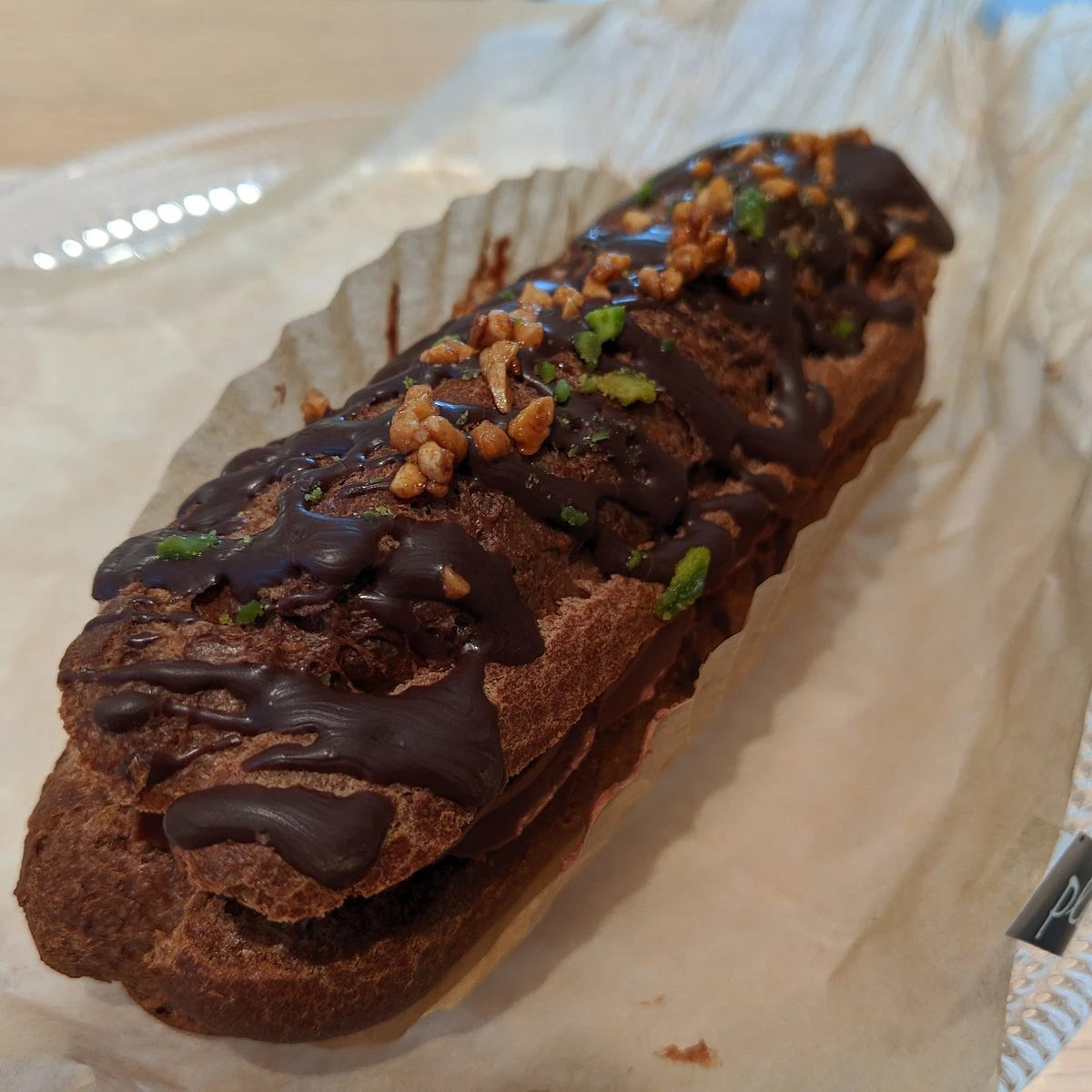
| patisserie plein | Bakery | .芦屋市茶屋之町 (Chayanocho, Ashiya) |
| PATISSERIE LACROIX | Bakery | Itami |
| arima gelateria Stagione | Café | Arima Onsen |
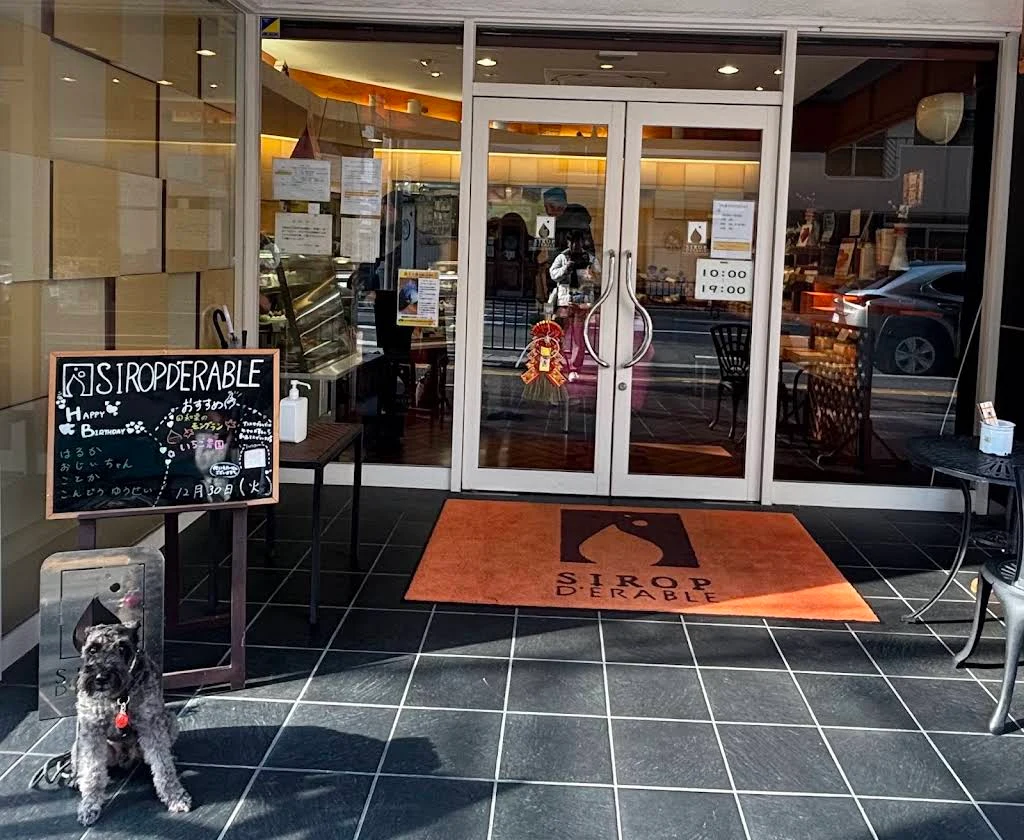
| Patisserie de ESAKA SIROP D'ERABLE | Bakery | Esaka |