Why go
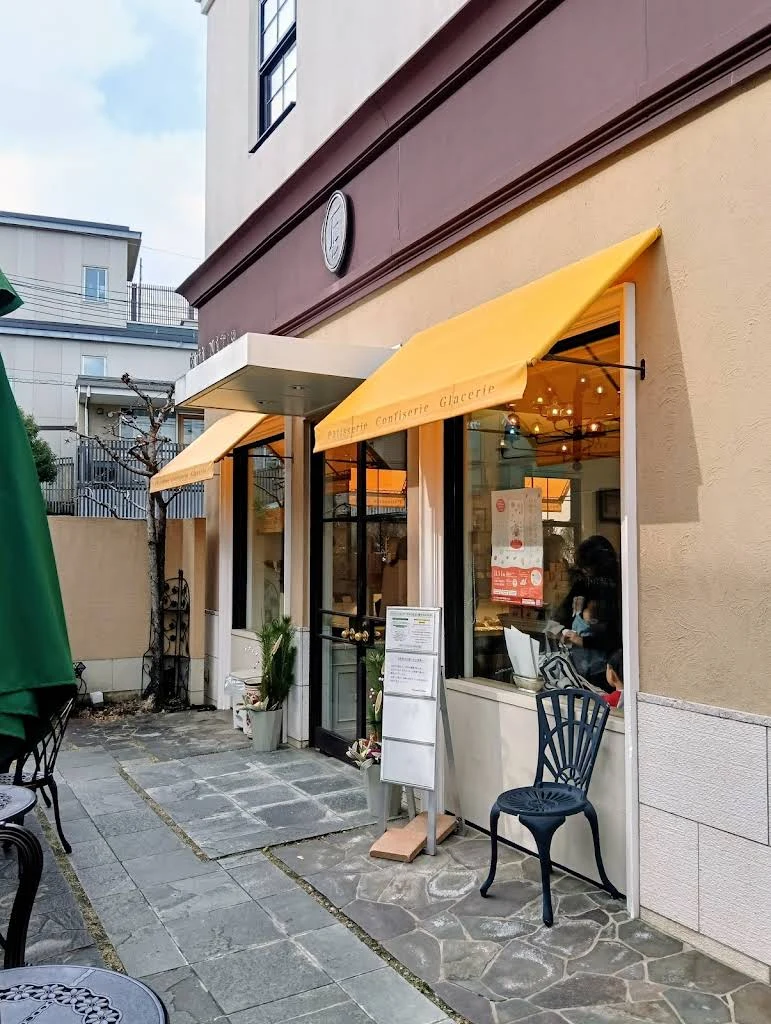
Shukugawa is the kind of station area where the good food signal is often quiet: a small shopfront, a short errand, a paper bag carried onto the Hankyu line. In Nishinomiya, bread sits naturally beside patisserie and coffee culture, helped by the city’s affluent residential pockets and its position between Kobe’s European-inflected food habits and Osaka’s appetite for daily eating. Boulangerie Miyanaga belongs to that rhythm, a take-out bakery rather than a dining room, and that distinction matters. The experience is closer to a morning provisions stop than a restaurant appointment.
The stronger way to read the bakery is through sourcing discipline and category focus. Japanese boulangeries at this level rarely trade only on French vocabulary; they succeed when flour, fermentation, dairy, and fillings are handled with the precision expected of neighbourhood regulars who buy bread often, not tourists chasing novelty. The listed categories, bread, bagels, and Western-style sweets, put it in a useful middle lane: broader than a baguette specialist, narrower than a café, and more daily than a patisserie counter built around gift boxes.
Why Nishinomiya's bread culture rewards small-format precision
Hyogo’s bread identity is often discussed through Kobe, but Nishinomiya has its own logic. Residential demand keeps quality bakeries alive because the customer base returns for breakfast, school runs, and weekend tables rather than occasional destination dining. That creates a different standard from a tasting-menu restaurant: repeatability counts. A bakery has to be consistent across small purchases, across weekdays, and across items that may be eaten hours after leaving the counter.
Boulangerie Miyanaga’s Tabelog Bread WEST 100 selections in 2020 and 2022 place it inside a competitive western Japan field where recognition depends on breadth, local reputation, and sustained customer response. The score of 3.66 is also useful context in Japan, where Tabelog ratings tend to cluster tightly and bakery scores above the mid-threes can indicate a serious local following. This is not luxury dining language; it is a signal that an everyday format has been judged against specialist peers.
Within Nishinomiya, the bakery sits in a low-spend bracket alongside names such as Elberan, torico., and CONCENT MARKET, while Michel bach operates in a higher patisserie price band and tonkatu butashou occupies a different meal category altogether. That comparison clarifies the decision: this is the kind of stop to pair with a broader day of eating, not the anchor of an evening. For a fuller city read, use Our full Nishinomiya restaurants guide alongside nearby references such as Akash, ameen’s oven, Asai, Cake House Tsumagari Kouyouen honten, and Chiisana Ryori Ten Morino Kujira So.
Bread, bagels, and sweets: a narrow enough range to judge the craft
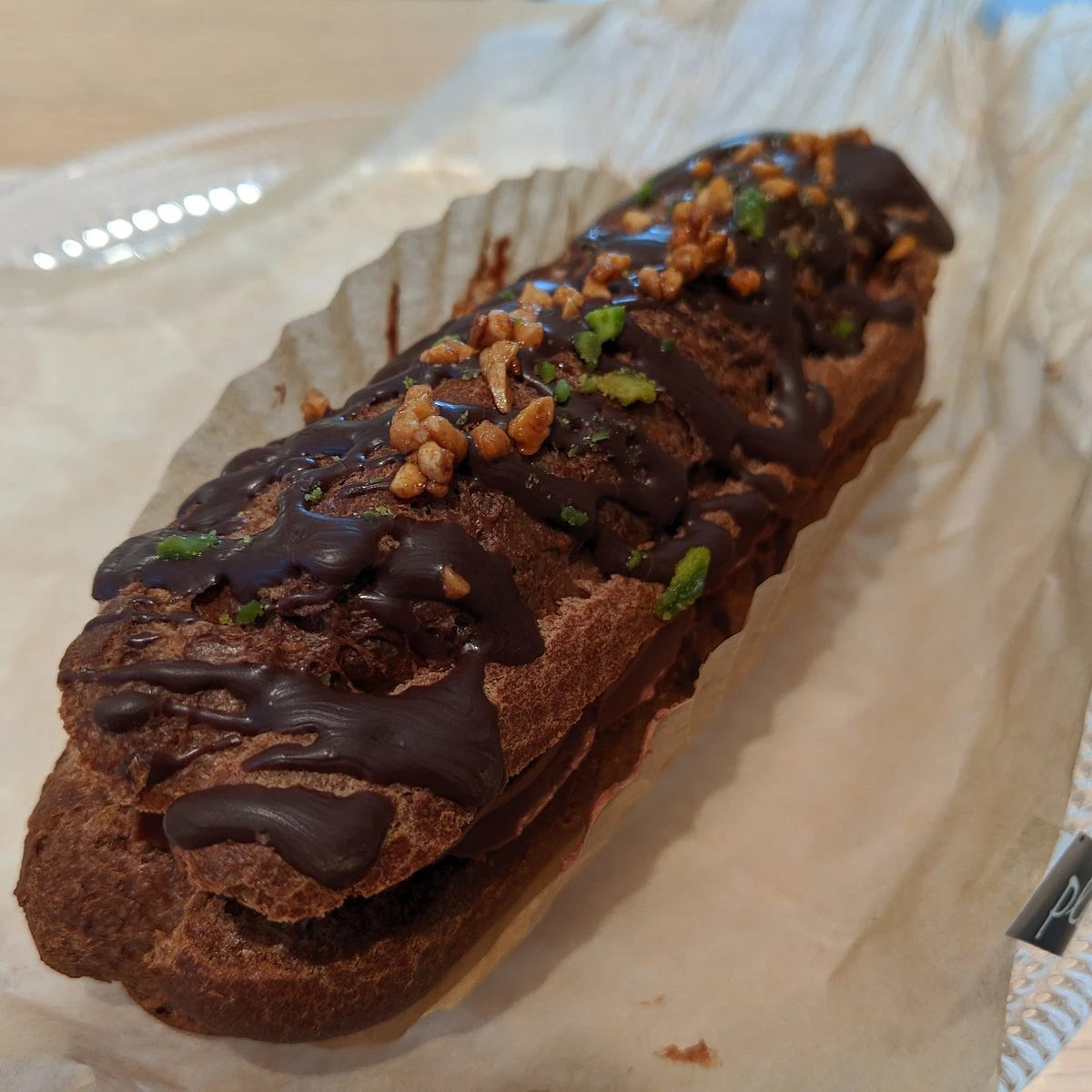
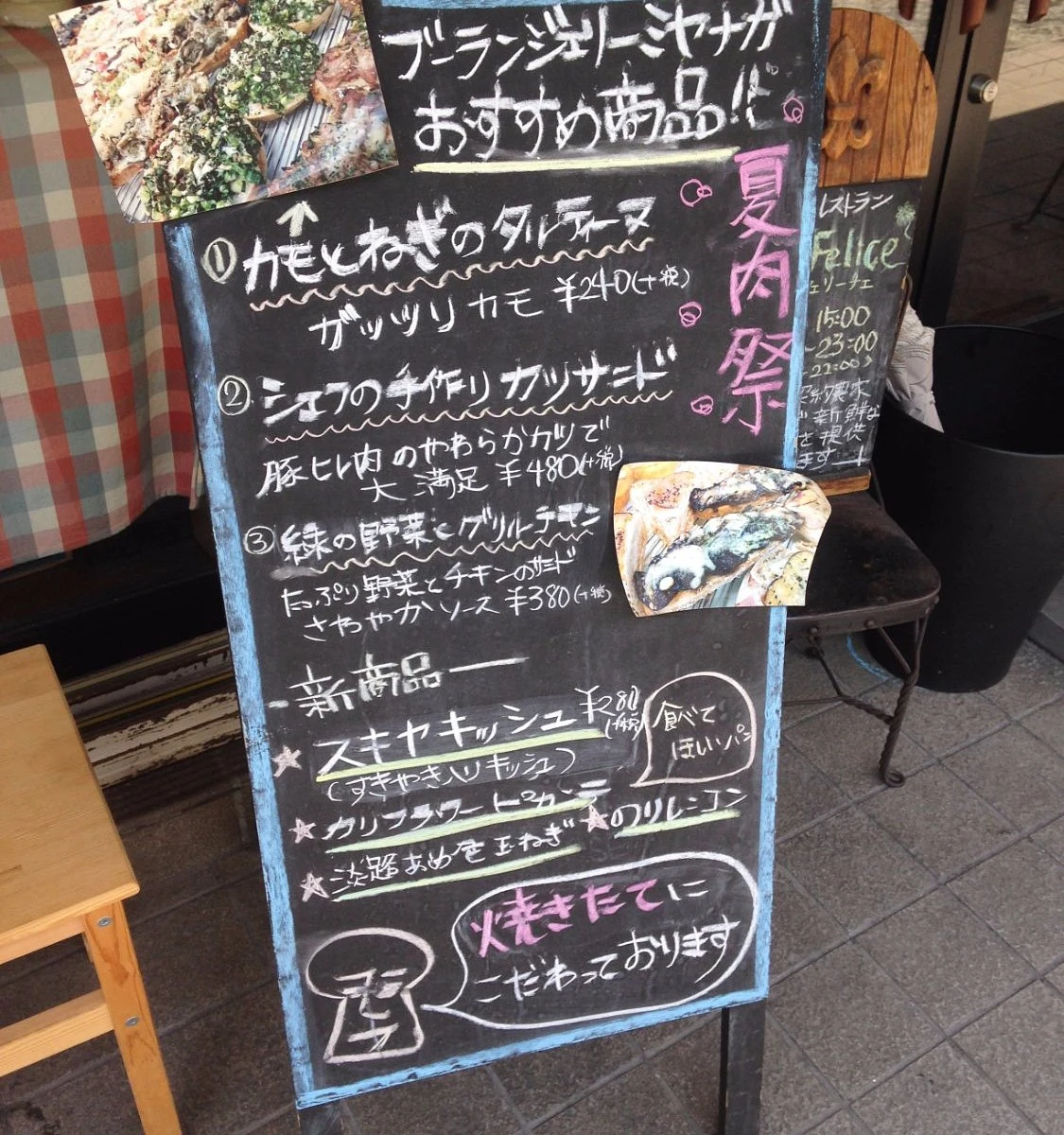
The ingredient question is central because bread exposes shortcuts faster than many cooked dishes. Poor flour choice, careless hydration, weak fermentation, and heavy-handed sweetness all show up before the first conversation about ambience. A bakery working across bread, bagels, and Western-style sweets has to manage different textures and expectations: chew, crust, crumb, richness, and portability. The format does not require a long menu to be persuasive; it requires the counter to make sense as a set of everyday purchases.
That is where Nishinomiya’s station-adjacent bakery culture has an advantage. Commuter proximity encourages early-day buying, but the residential catchment pushes beyond convenience. Families, office workers, and local shoppers buy for immediate eating and for home, which rewards practical range over theatrical plating. Boulangerie Miyanaga’s take-out model fits that ecosystem. It is not trying to convert bread into a seated experience, and the absence of a dining-room narrative keeps attention on the product categories themselves.
For travellers, the useful comparison is not with fine dining, but with Japan’s serious daily-food specialists. A counter-service bakery can be as revealing of local taste as a sushi bar or kappo, especially in cities where Western baking has been absorbed into routine life. The better bakeries in this lane show how imported forms become local through portion size, sweetness levels, soft-crust preferences, and gifting habits. In that sense, the stop tells a concise story about Hanshin eating: European technique filtered through Japanese punctuality and neighbourhood use.
How to place it in a Nishinomiya day
The practical move is to treat the bakery as a daytime component rather than a meal slot. The station-area location makes it easy to fold into a Shukugawa walk, a residential food crawl, or a transit break between Kobe and Osaka. Its take-out format also means the visit is short by design, so it pairs naturally with coffee, patisserie, or a later restaurant booking elsewhere in the city.
Cash planning matters more here than dress or ceremony. The venue lists no private rooms, no private use, non-smoking status, and children welcome, all of which reinforces the everyday character. Reservations are available at the store or by phone, an unusual but useful detail for travellers trying to secure specific items in a small bakery format. There is no parking listed, so rail access is the cleaner plan.
Readers building a wider Nishinomiya itinerary can cross-reference Our full Nishinomiya hotels guide, Our full Nishinomiya bars guide, Our full Nishinomiya wineries guide, and Our full Nishinomiya experiences guide. For broader Japan and diaspora food references, compare the everyday-specialist logic with -Grilled beef Sukiyaki- KAMAKURA TANUKIAN 鎌倉 たぬき庵 in Kamakura,. 鮪と炭火焼き うお炭 秋葉原店 in Tokyo,.cafe in Osaka,.know in Kumamoto, (Shoku) Vietnam in Kawasaki, [Curry Senmon Ten] Maruyama Kyoju. in Sapporo, Jōdo Saké Bar in Los Angeles, and Onigiri Time in Pasadena.
The verdict is simple: come for a compact reading of Nishinomiya’s bakery seriousness, not for spectacle. The awards history gives the stop credibility, the low-spend take-out format keeps it accessible, and the station-area setting makes it easy to fold into a sharper food day. In a city often overshadowed by Kobe and Osaka, that combination is exactly why the bakery category deserves time.