Chuo Ward (Ikutacho)

Cafe FREUNDLIEB Honten

Bakery4.3 on GoogleAbout $10 a head
Cafe FREUNDLIEB Honten

Why go

Approaching Kobe’s cafe culture from Shin-Kobe rather than the waterfront changes the frame. The city’s daytime dining is not only about patisserie counters, department-store tea rooms or coffee shops near Sannomiya; it also has a quieter lane of bakery-linked cafes where sandwiches, cake and coffee function as a civic habit. Cafe FREUNDLIEB Honten belongs to that lane, and its recognition on Tabelog 100 Cafe WEST 2025 places it within a regional list that rewards consistency as much as novelty.

A Kobe cafe tradition judged by repeatability, not spectacle

Western-style baking has a long foothold in Kobe, a port city whose food culture has absorbed foreign influence more visibly than many Japanese regional capitals. That history matters here because cafe dining in Kobe often sits between kissaten discipline, patisserie precision and lunchroom utility. The stronger addresses are not chasing tasting-menu theatre. They are judged by whether a sandwich, cake and coffee format can carry regular daytime traffic without becoming anonymous.

The Tabelog 100 Cafe WEST selection is the key reputational signal. Cafe FREUNDLIEB Honten was selected for the cafe list in 2025, with earlier cafe selections in 2021 and 2022. In a category crowded with photogenic rooms and short-lived dessert trends, repeated appearance on a consumer-led platform points to a different kind of standing: enough local and visitor attention to remain visible beyond a single season. Its Tabelog score of 3.72 gives further context, not as a critical verdict on its own, but as a useful marker in Japan’s unusually demanding review culture.

That status also helps explain the venue’s place in Kobe’s broader dining map. Around the same city, meat-focused addresses such as Aburi Niku Kobo Wakkoku Shinkobe ten and Aburi Niku Kobo Wakkoqu Kitano Sakamoto Ten serve a more occasion-driven Kobe beef audience, while Akaneya Coffee Ten points toward the city’s coffee-house register. The cafe category is less about a grand night out than about repeatable quality in a daytime slot, which is precisely why awards in this field carry practical weight.

Sandwiches, cake and a bakery-adjacent rhythm

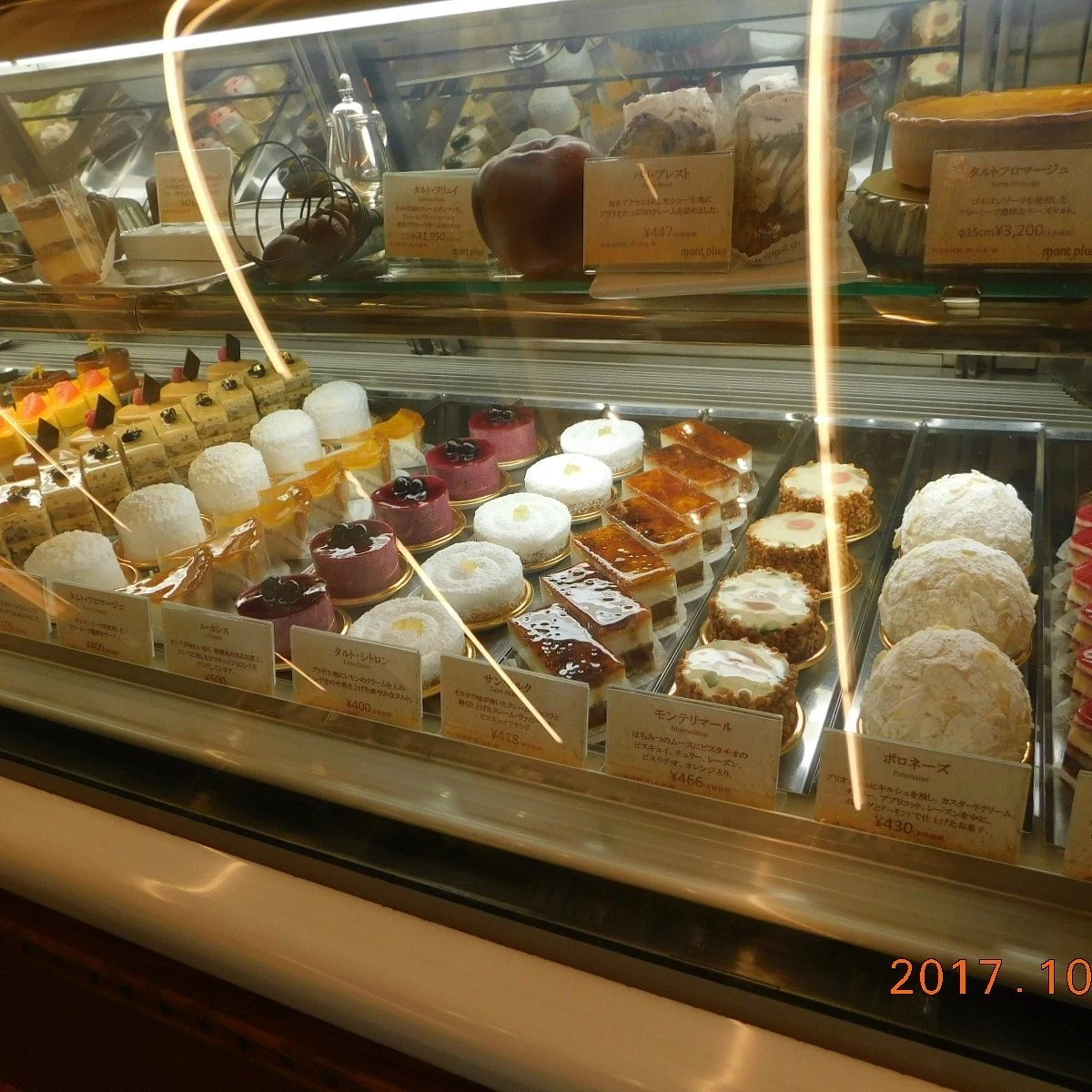
The listed categories are cafe, sandwich and cake, a combination that reads plainly but says plenty about the expected meal. This is not a chef-counter format, and it is not built around a long set menu. The appeal sits in a compact Japanese cafe grammar: a midday plate, a sweet course, coffee or tea, and enough room in the schedule to let the setting do some work. The first-floor bakery is separately listed, which gives the operation an additional anchor in Kobe’s baking culture rather than making it merely a room for drinks.

For visitors, the distinction is useful. Kobe rewards grazing as much as formal booking, and the city’s stronger days often move from a bakery or cafe stop into beef, soba, Chinese cooking or a bar later on. A daytime cafe with recognition lets the itinerary breathe. Nearby and citywide choices such as Akari, Ali's Halal Kitchen, Grill Suematsu, Marutaka Chuka Soba Kobe Ninomiya Ninomiya ten and Bar Ciccia show how varied Kobe’s casual-to-midrange register can be, from quick bowls to bistro-leaning evenings. Cafe FREUNDLIEB Honten works in that ecosystem as a daytime anchor rather than a substitute for dinner.

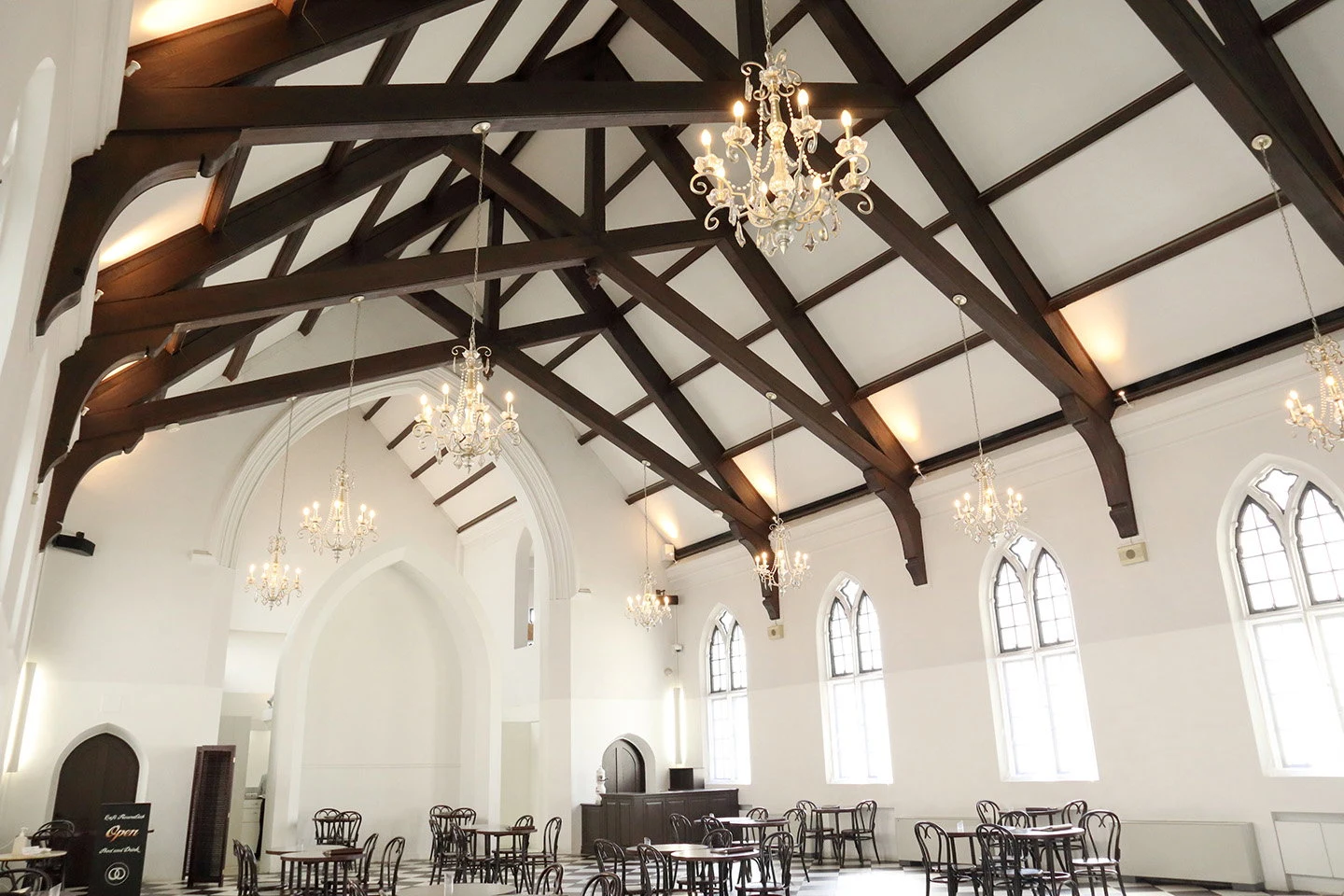
The room is listed with 80 seats, including 62 seats across 18 tables, so the format sits closer to a proper cafe restaurant than a tiny counter. Non-smoking policy, children welcome, take-out and elevator availability all point to a place used by mixed groups rather than only by destination diners. Those details are not decorative; in Japan’s cafe culture they shape the meal. A comfortable table, a predictable daytime format and bakery-linked production can matter more than a headline dish.

How to place it in a Kobe itinerary

The practical read is simple: use it for a composed daytime pause in central Kobe, especially when the day already includes heavier eating. Reservations are listed for weekdays only, accepted up to one day in advance, which makes timing more relevant than formality. The venue is closed on Wednesdays, and the weekday breakfast and lunch windows give it more structure than an all-day coffee stop. Card payments are accepted, electronic money is not, and QR code payments include PayPay, d Barai, Rakuten Pay and au PAY.

Its location between Shin-Kobe and Sannomiya is useful for arrivals, museum-heavy afternoons and Kitano-area walks. It is listed as a 10-minute walk from Shin-Kobe Station’s south exit and 12 minutes from Sannomiya Station, with bus access via Kanomachi 2-chome. Parking is listed for 12 cars, with nearby parking also available. Those logistics make it easier to fold into a day than many destination cafes that require a single-purpose detour.

Readers comparing formats should treat this as a cafe with awards credibility, not a restaurant trying to compete with Kobe’s higher-spend beef rooms. For a wider city plan, start with our full Kobe restaurants guide, then add category-specific context through our full Kobe hotels guide, our full Kobe bars guide, our full Kobe wineries guide and our full Kobe experiences guide. For readers mapping Japanese casual dining beyond Kobe, useful contrasts include -Grilled beef Sukiyaki- KAMAKURA TANUKIAN 鎌倉 たぬき庵 in Kamakura,. 鮪と炭火焼き うお炭 秋葉原店 in Tokyo,.cafe in Osaka,.know in Kumamoto, (Shoku) Vietnam in Kawasaki, [Curry Senmon Ten] Maruyama Kyoju. in Sapporo, Jōdo Saké Bar in Los Angeles and Onigiri Time in Pasadena.

Tags

ClassicCozyIconicScenicCasual HangoutSoloFamilyAfter WorkBrunchGroup DiningHistoric BuildingDesign DestinationStandalone