Why go
Ten and more coffees behind the cake case
The cakes come first here and the coffee is built to sit beside them. CAFE KESHiPEARL runs a list of more than ten coffees without turning the counter into a roastery showcase, so origin and roast level are not the point of the exercise. What matters is that a cup can hold its own against a dense slice without demanding a separate tasting ritual, and nothing on the list asks you to treat the coffee as an event of its own. Cake is the centre of the visit, with baked sweets, scones and muffins filling out the case and some of them arranged so they can be carried away. The cake list is at its widest at the weekend, which is worth knowing if the case is the reason for the walk.
A quiet room and a self-directed case
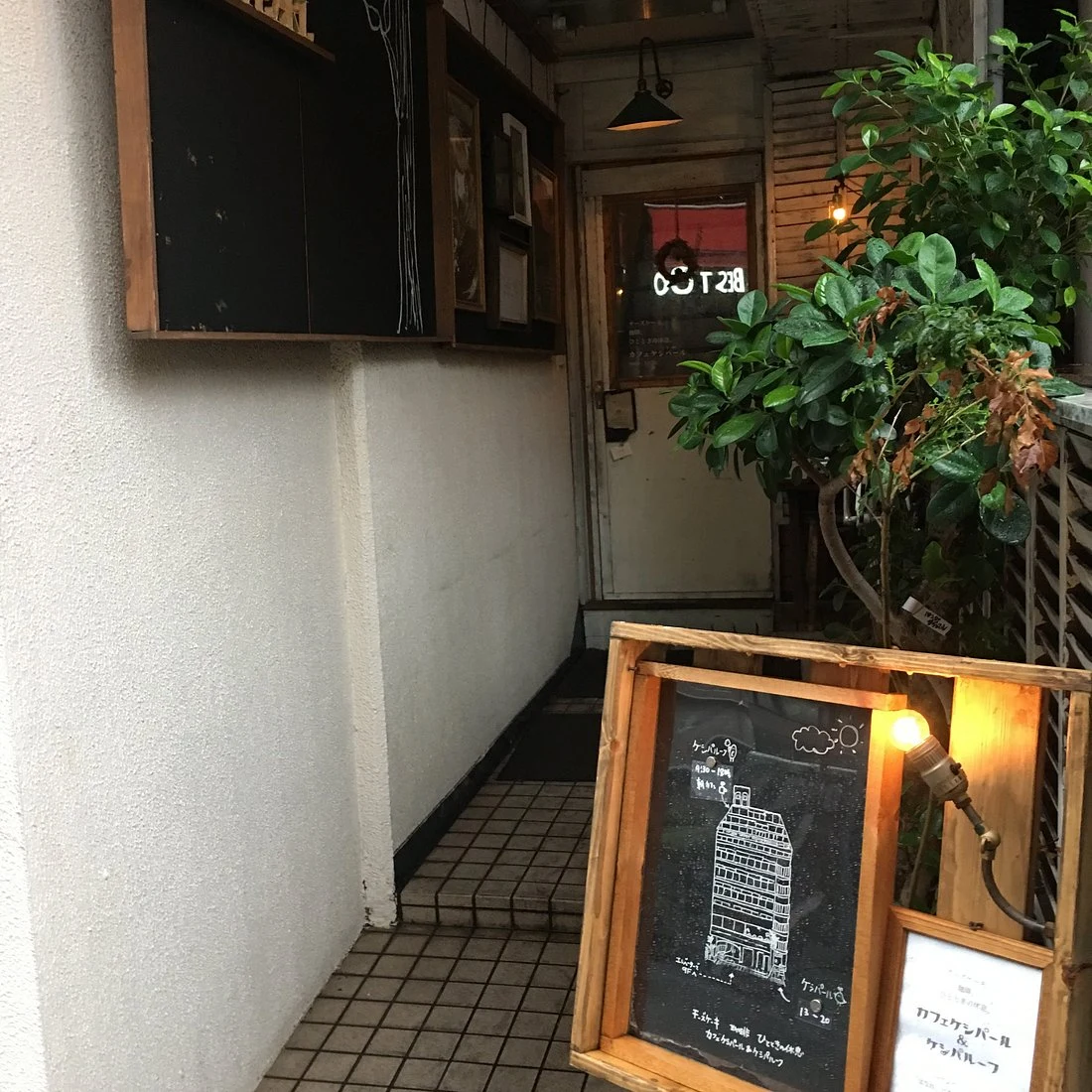
The room is small, non-smoking and kept for quiet use, with a simple classic interior and cups and plates designed by the owner. It feels settled rather than staged. The flow starts at the case: you read the cakes and baked sweets, decide there, and let the drink order follow. That order of operations is the house habit and it is the right one. The wider family explains the scale, too. A sister shop, KESHiPEARL 2-gōten, runs in the same building with the same menu and the same calm register, while KESHiPEARL Stand gives the owner a smaller format elsewhere in Kobe. Each answers a different habit instead of stretching one room to cover them all.
Order the baked cheesecake with coffee
Start with the baked cheesecake and a coffee alongside it. It is the clearest order in the house because it states the whole idea in one sitting: a dessert led plate matched against a list that runs past ten coffees. If the case has more than one style of cheesecake, take the baked one first, since it gives the coffee something dense and steady to work against without turning the stop into a meal. For something lighter, a scone or a muffin travels well, and pudding is worth taking when it appears in the dessert line. The regular move is simple: look at the cake case before you decide on the drink, then let the coffee follow the dessert rather than the other way round.
Tags
Frequently asked questions
What should I order at CAFE KESHiPEARL?
The baked cheesecake with a coffee beside it. That pairing states the whole idea of the cafe in one sitting, a dessert led plate against a list running past ten coffees. If you want something lighter or portable, the scones and muffins are arranged so they can be carried away.
Is the cake selection the same every day?
No. The case turns over, and the cafe prepares its widest range of cakes at the weekend, so that is the better bet if the display is the reason you are going. The habit of the room is to read the case first and choose the drink afterwards rather than ordering coffee on arrival.
Compare nearby places
| Venue | Type | Area |
|---|---|---|
| Evian Coffee | Café | Motomachi |
| arima gelateria Stagione | Café | Arima Onsen |
| Akaneya Coffee Ten | Café | Sannomiya |
| Cafe FREUNDLIEB Honten | Bakery | Chuo Ward (Ikutacho) |
| patisserie mont plus Honten | Bakery | Chuo-ku |