Chuo-ku

patisserie mont plus Honten

BakeryPatisserieAbout $10 a head
patisserie mont plus Honten

Why go

Kaigandori changes Kobe’s rhythm. Department-store food halls and station corridors give way to a quieter port district of Western-style buildings, small cafes, and the memory of foreign trade. Here, patisserie mont plus Honten reads less as a standalone sweet shop than part of Kobe’s long habit of translating European pastry into local ritual.

Kobe has a dessert grammar distinct from Kyoto or Tokyo. Its modern food culture grew through shipping, settlement, bread, beef, coffee, and confectionery, so French-style cakes feel natural beside kissaten coffee, hotel lounges, and takeaway counters. For a wider map of that habit, Our full Kobe restaurants guide is the better starting point than a single sweets itinerary.

French pastry through Kobe's port-city filter

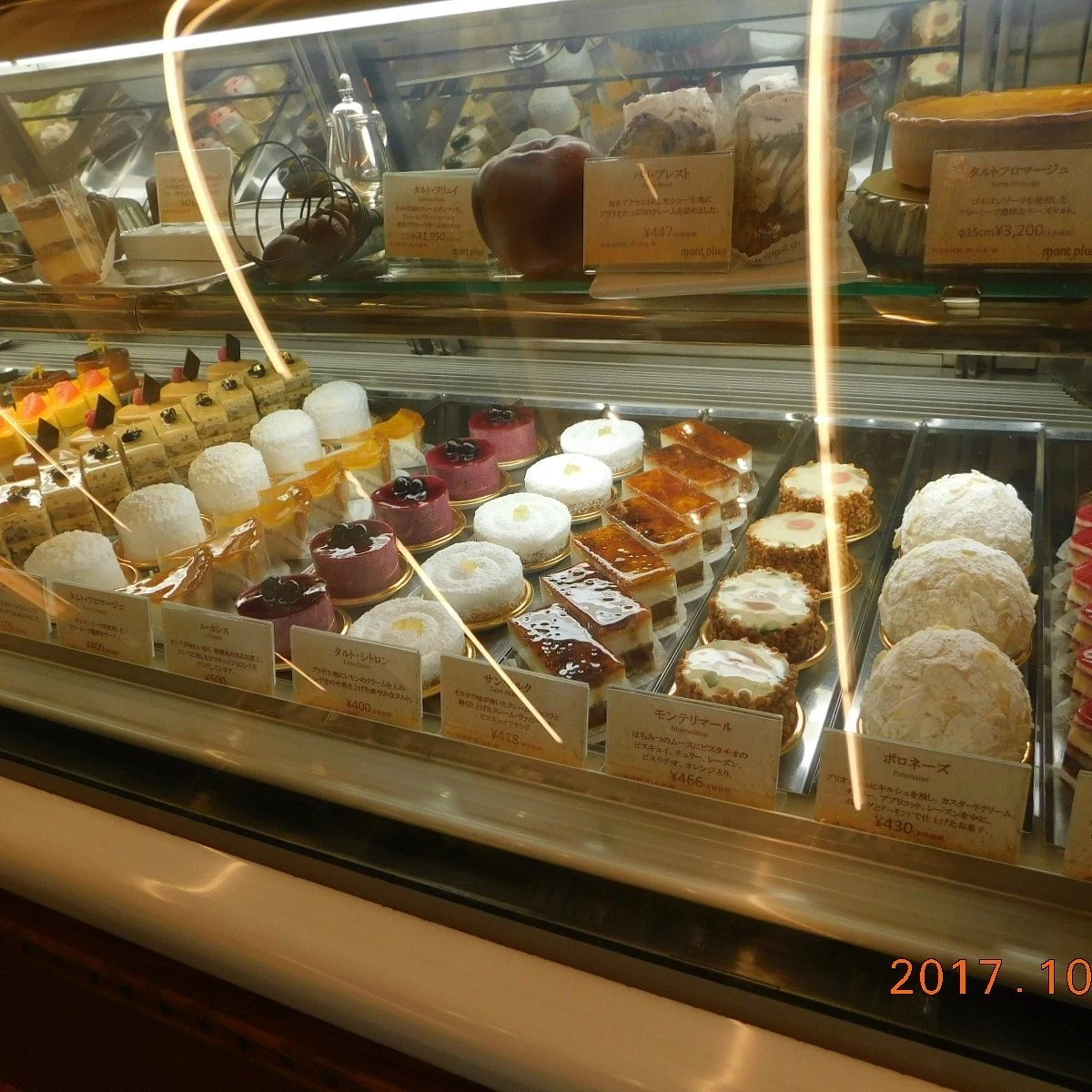
Read this address through sourcing and technique, not spectacle. In Western-style Japanese pastry, the quality gap comes from basics easily underestimated: dairy handling, chocolate work, fruit selection, dough lamination, cream stability, and sweetness balanced against acidity. Kobe’s pastry audience punishes heavy-handed sugar and rewards clean structure. A cake-and-cafe format here must work for takeaway boxes, coffee breaks, and small table service, not only social media display.

patisserie mont plus Honten has the trust signals for a serious sweets bracket. It was selected for Tabelog Sweets WEST 100 in 2023, with listed selections also in 2022, 2020, 2019, and 2018, and carries a Tabelog score of 3.75. In Japan’s sweets category, those numbers matter because recognition is spread across a dense field of bakeries, cafes, chocolatiers, and patisseries, many at modest prices. The distinction is not luxury pricing; it is repeat recognition within a competitive western Japan pastry group.

That pricing shapes the decision. Kobe has low-cost specialists such as Pan Yakidokoro RIKI, lunch-range cafes such as anthem, and more formal meals such as Kobe Chuka Uebayashi. This patisserie sits at the affordable end of the city’s serious food spectrum, closer to a cafe stop than a destination dinner, useful for travelers building a day around Motomachi, the waterfront, or coffee and sweets rather than saving the evening for one table.

The ingredient angle also explains why Kobe suits this format. Western Japan’s pastry culture has access to domestic fruit traditions, Japanese dairy supply chains, and customers who treat seasonal cakes as regular purchases rather than occasional finales. Without a tasting-menu frame, a patisserie can express place through strawberry season, chestnut season, citrus acidity, butter quality, and local restraint. Not every item must announce locality; the city rewards raw-material precision.

A small salon, takeaway rhythm, and sweets with practical discipline

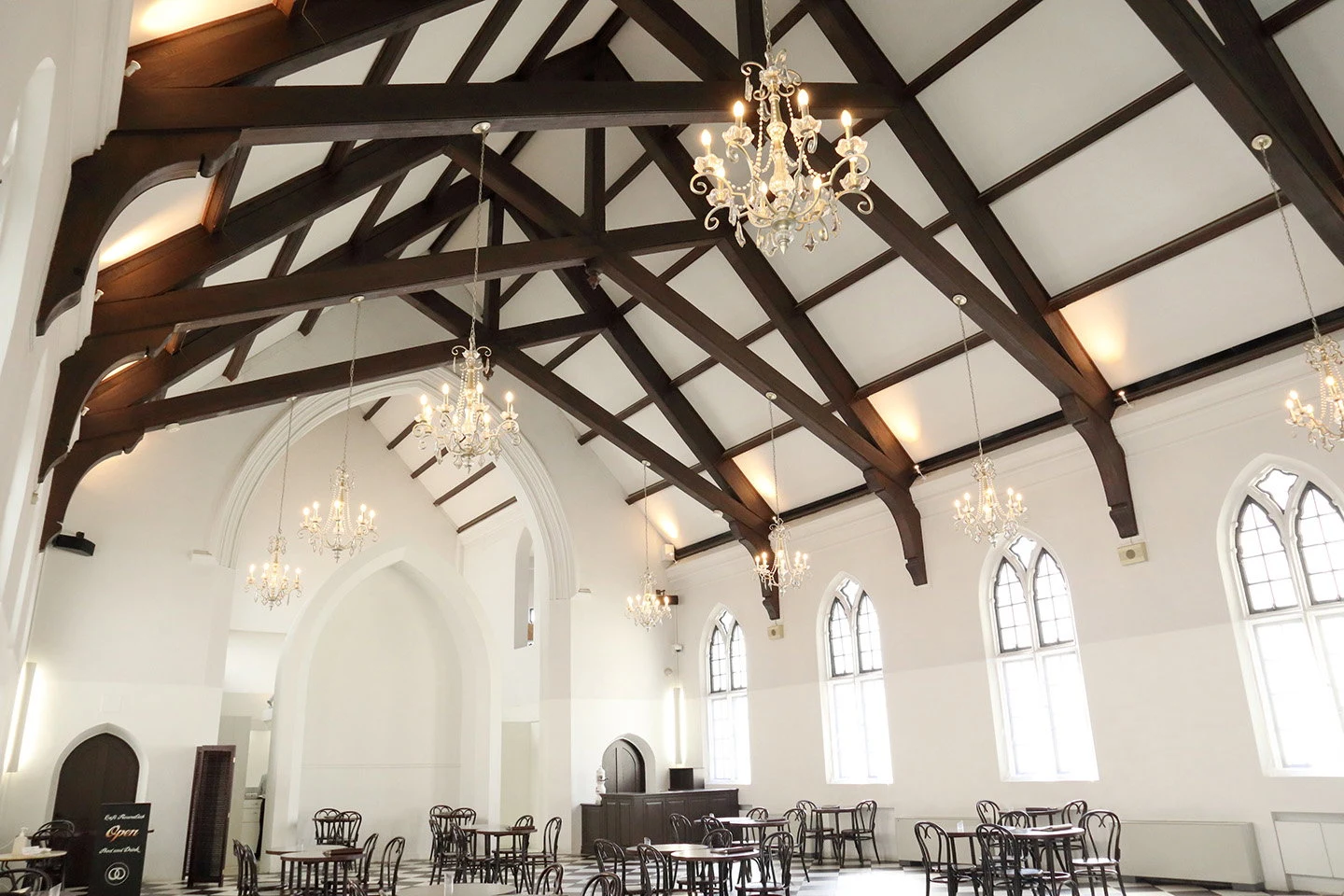
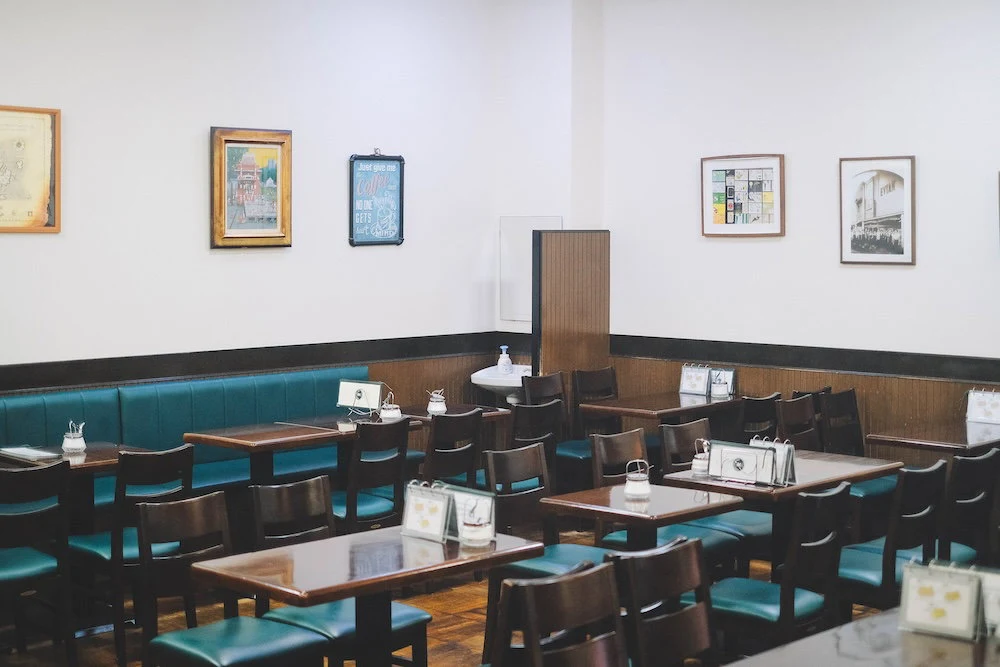
The format is compact: cake and cafe, take-out service, non-smoking, and table seating rather than a counter-led pastry bar. The salon runs on a shorter daytime rhythm than the shop, giving it a different tempo from evening dessert rooms. It suits late morning or afternoon, especially when the day includes Kobe’s shopping arcades, waterfront museums, or a coffee detour at Akaneya Coffee Ten.

There is useful restraint in that setup. A 22-seat room forces turnover and discourages sprawling lounge behavior that can flatten pastry into background sugar. Takeaway keeps the shop tied to local daily use, while the cafe lets travelers slow down without committing to a formal meal. In Kobe, sweets often bridge lunch and dinner, especially where coffee culture is as serious as restaurant culture.

The broader Kobe table is unusually varied for its size. Beef specialists such as Aburi Niku Kobo Wakkoku Shinkobe ten and Aburi Niku Kobo Wakkoqu Kitano Sakamoto Ten represent ceremonial Kobe dining, while casual addresses such as Akari and Ali's Halal Kitchen show international and everyday cooking beside established local formats. A Kaigandori sweets stop works because it does not compete with those meals; it sharpens the day between them.

For travelers comparing Japanese city food cultures, Kobe’s pastry confidence also counters other categories across the country: the cafe minimalism of.cafe in Osaka, regional dining such as.know in Kumamoto, specialist casual food like [Curry Senmon Ten] Maruyama Kyoju. in Sapporo, and Tokyo drinking-and-dining formats such as. 鮪と炭火焼き うお炭 秋葉原店 in Tokyo. Kobe’s contribution is quieter: European pastry absorbed into everyday urban life.

How to place it within a Kobe day

The address works cleanly with Motomachi and Minato Motomachi, so it belongs in a walking day rather than a taxi-only food crawl. Build around the port district, Chinatown, galleries, and coffee, then let pastry play the role usually assigned to dessert after dinner. That also protects appetite if the evening is for beef, Chinese cooking, gyoza, or a bar-led plan from Our full Kobe bars guide.

Planning should stay daytime-minded. The shop lists closures on Tuesday and Wednesday, with an additional variable Wednesday closure pattern and a monthly business-day calendar, so timing matters more than formality. Reservations are unavailable, parking is unavailable, and card use applies from purchases of JPY 1,000 or more; QR payment is also listed. Arrive during the day, expect a compact room, and treat takeaway as part of the format rather than a fallback.

Visitors stretching Kobe beyond restaurants can pair this stop with hotel, drinks, and local-experience planning rather than making sweets the whole agenda. Our full Kobe hotels guide, Our full Kobe wineries guide, and Our full Kobe experiences guide are more useful for that broader structure. For wider Japan-and-beyond comparison, the casual precision of (Shoku) Vietnam in Kawasaki, the sake-bar framing of Jōdo Saké Bar in Los Angeles, the rice-led simplicity of Onigiri Time in Pasadena, and the beef-focused tradition of -Grilled beef Sukiyaki- KAMAKURA TANUKIAN 鎌倉 たぬき庵 in Kamakura show how focused formats can carry more authority than sprawling menus.

The editorial case for patisserie mont plus Honten is simple: Kobe’s pastry culture is strong enough that a serious cake shop needs no luxury signaling to matter. The recognition, price band, compact salon, and port-side location point the same way. This is a disciplined sweets stop for readers who understand that in Kobe, butter and cream can be as locally revealing as beef or sake.

Tags

ClassicCozyElegantHidden GemSoloFamilyCasual HangoutCelebrationStandalone
patisserie mont plus Honten — Artefice