Why go
Cakes first, with chocolate running beside them
Patisserie plein runs on two names. Patisserie plein covers cakes and baked goods; chocolaterie plein covers chocolate, macarons and related confections. It is a specialist pastry and chocolate shop rather than a café built on drinks and long table service, and the vocabulary is celebration cakes, individual pastries, chocolate confections, macarons and seasonal parfaits, with the case and the calendar setting the pace. Recurring pieces include birthday whole cakes, cake au beurre, chocolat cru, macarons and limited-time parfaits. The mix gives Plein a refined Japanese patisserie profile in Ashiya, where presentation, season and the family table matter more than menu breadth.
The chocolate side is deliberate rather than an afterthought. Splitting the two identities keeps cakes and baked goods apart from chocolate-centred sweets. For a first visit, think in pairs: one fresh cake or parfait for now, then macarons, chocolat cru or chocolate confections to carry home.
A small retail room, not a long sit
The service model is a compact boutique built around counter selection, finished goods and an orderly handoff. Cakes and baked goods are handled separately from macarons and chocolate, which reinforces the specialist shape of the shop. Whole cakes have their own pathway, and the finished pieces are planned purchases that need careful collection. The room is less about lingering hospitality than about choosing sweets and leaving with delicate pastry intact.
The atmosphere follows from that structure: display, consultation and pickup are the touchpoints. Seasonal change shapes the visit too, as new cakes and limited parfaits give regulars a reason to come back. The rhythm is production-sensitive and calendar-driven, and it suits a quick but deliberate stop, especially for a celebration cake, a chilled chocolate cake, macarons or a seasonal dessert rather than an extended café session.
Start with the parfait, then take chocolate home
Begin with the seasonal parfait when the announced flavour suits. Combinations tied to Plein include pistachio and strawberry, houjicha and kinako, and rum raisin and tea, showing familiar patisserie structure crossed with Japanese and dessert-shop flavours, from roasted tea and kinako to fruit, nut and liqueur notes. A parfait gives the clearest read on the seasonal side of the shop.
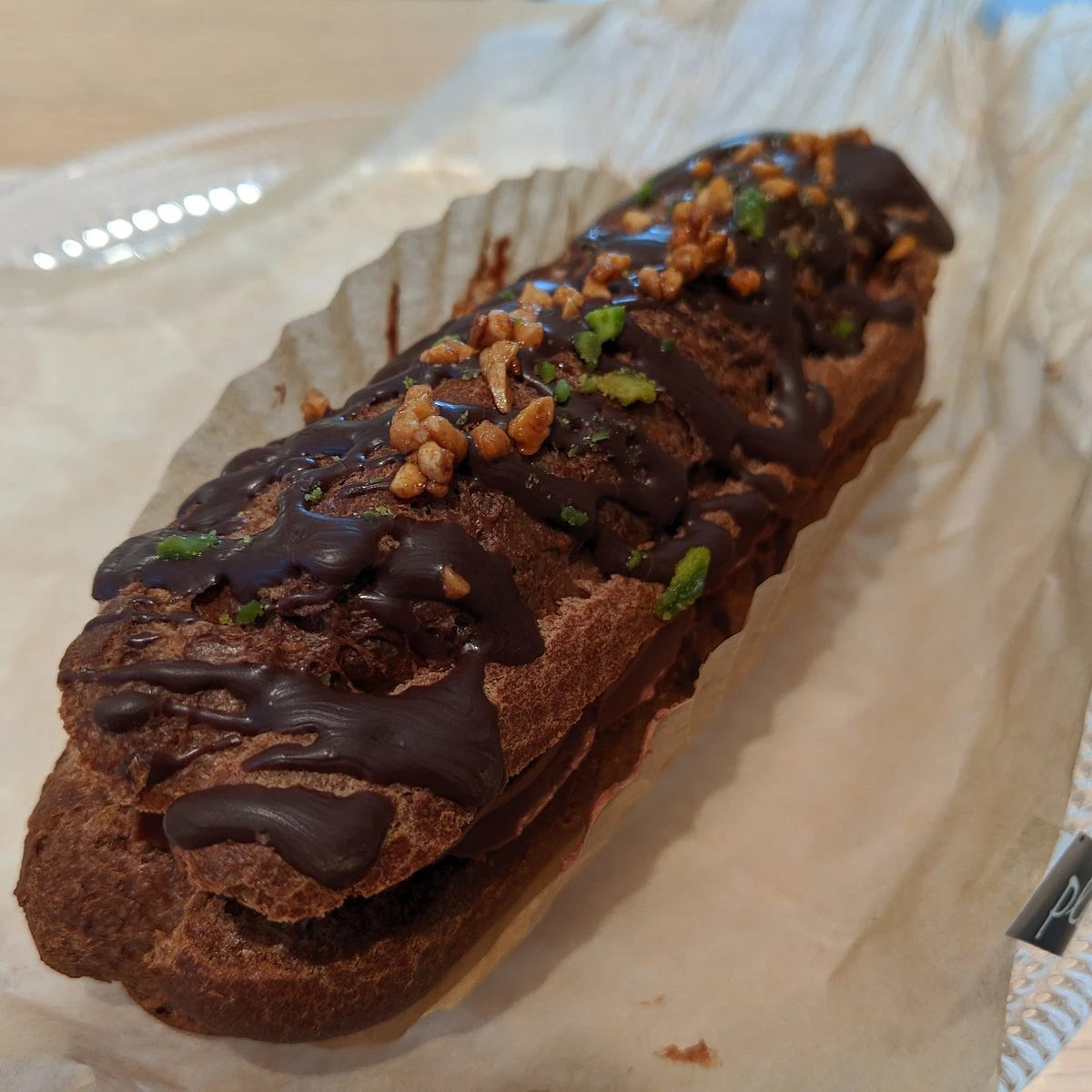
After the parfait, build a take-home box from the chocolaterie side. Macarons bridge the pastry and chocolate counters, while chocolat cru offers a refrigerated chocolate-cake option for a richer finish, and chocolate confections make sense when buying for later. For a family occasion the birthday whole cakes sit at the centre of the shop’s identity, but a first tasting can stay simple: parfait, macarons and one chocolate piece give a focused view of Plein’s cakes-first, chocolate-alongside style.
Frequently asked questions
What should I order at patisserie plein?
The seasonal parfait first, when the announced flavour suits: combinations have included pistachio and strawberry, houjicha and kinako, and rum raisin and tea. Then build a box from the chocolaterie side, where macarons bridge the two counters and chocolat cru gives a colder, richer finish.
Compare nearby places
| Venue | Type | Area |
|---|---|---|
| Boulangerie Miyanaga | Bakery | Shukugawa |
| Patissier Eiji Nitta | Bakery | Nishinomiya Kitaguchi |
| arima gelateria Stagione | Café | Arima Onsen |
| Cafe FREUNDLIEB Honten | Bakery | Chuo Ward (Ikutacho) |
| CAFE KESHiPEARL | Café | Sannomiya / Isogami |