Esaka

Patisserie de ESAKA SIROP D'ERABLE

BakeryPatisserie4.1 on Google
Patisserie de ESAKA SIROP D'ERABLE

Why go

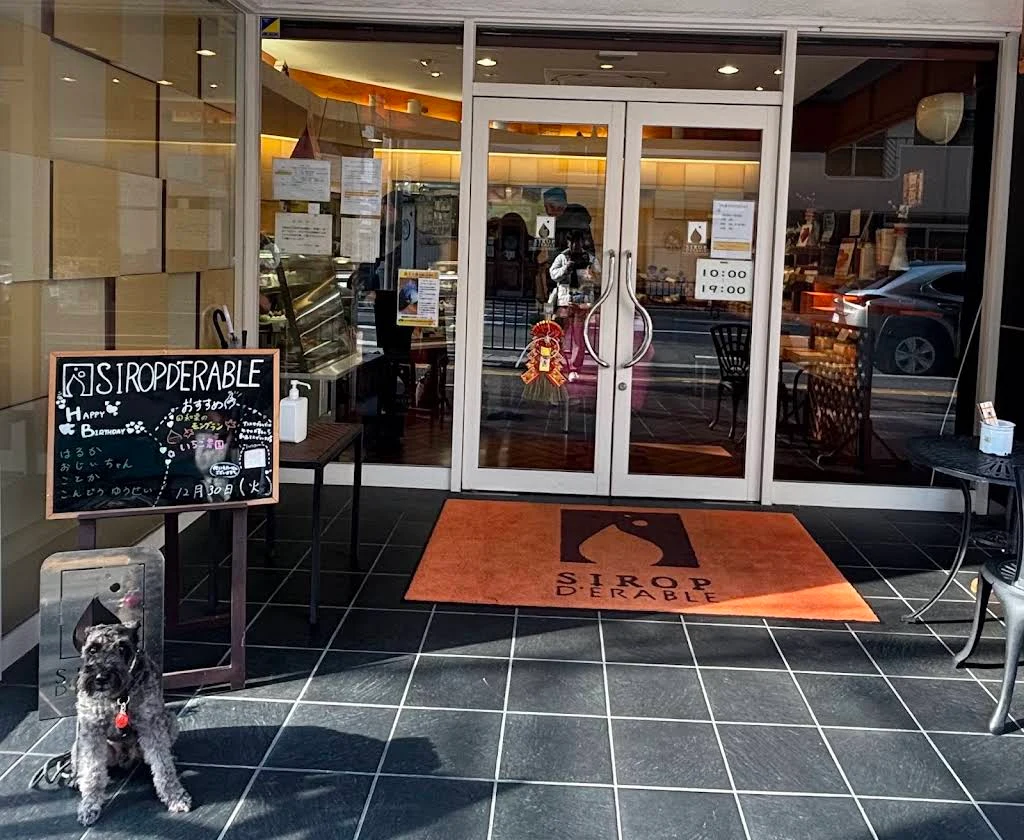
Esaka feels different from Osaka’s station-basement queues and neon dinner streets. North of the louder circuits, the rhythm is commuter-clean, residential, and practical: office workers, families, errands, quick gifts in paper bags. That setting matters for patisserie. In Japan, cake is not only a restaurant finale; it is gifting culture, a home-table ritual, a precise afternoon purchase. Patisserie de ESAKA SIROP D'ERABLE fits that lane, with takeaway-only service and a cake-and-chocolate focus that prioritizes selection, transport, and timing over lingering on plated dessert.

Osaka’s dessert culture is often read through department-store depachika counters, festival sweets, and loud street-food reputation. The quieter story is the suburban patisserie: French technique filtered through Japanese portioning, packaging discipline, and seasonal and family occasions. A Tabelog Sweets WEST 100 selection in 2023 places this shop in that regional conversation, alongside western Japan sweet specialists whose reputations depend less on spectacle than repeat local use. Its listed Tabelog score of 3.63 also signals a shop that has moved from neighborhood convenience to destination-level interest for people who track Japanese sweets seriously.

Daytime patisserie logic, not a dinner-room dessert cart

The assigned lens is lunch versus dinner, but a takeaway patisserie does not divide the day like a full-service restaurant. There is no evening tasting-menu mood, sommelier-paced finish, or dining room that changes after dark. The useful distinction is functional: daytime is when the format makes most sense. Cakes and chocolates travel better when bought with the day still ahead, and Japanese patisserie shopping often sits between lunch, school pick-up, office return, and a host gift before dinner.

That makes value easier to read than at many Osaka counters. The appeal is not a long reservation or high-spend occasion; it is adding a serious sweet stop to a day that may already include noodles, sushi, tempura, or a bar later. In a city where dinner can absorb the budget quickly, patisserie offers different access: small-format craft, low-commitment spending, and a format that works for families and solo travelers. The children-welcome listing reinforces this as everyday Osaka food culture, not a hushed adult ceremony.

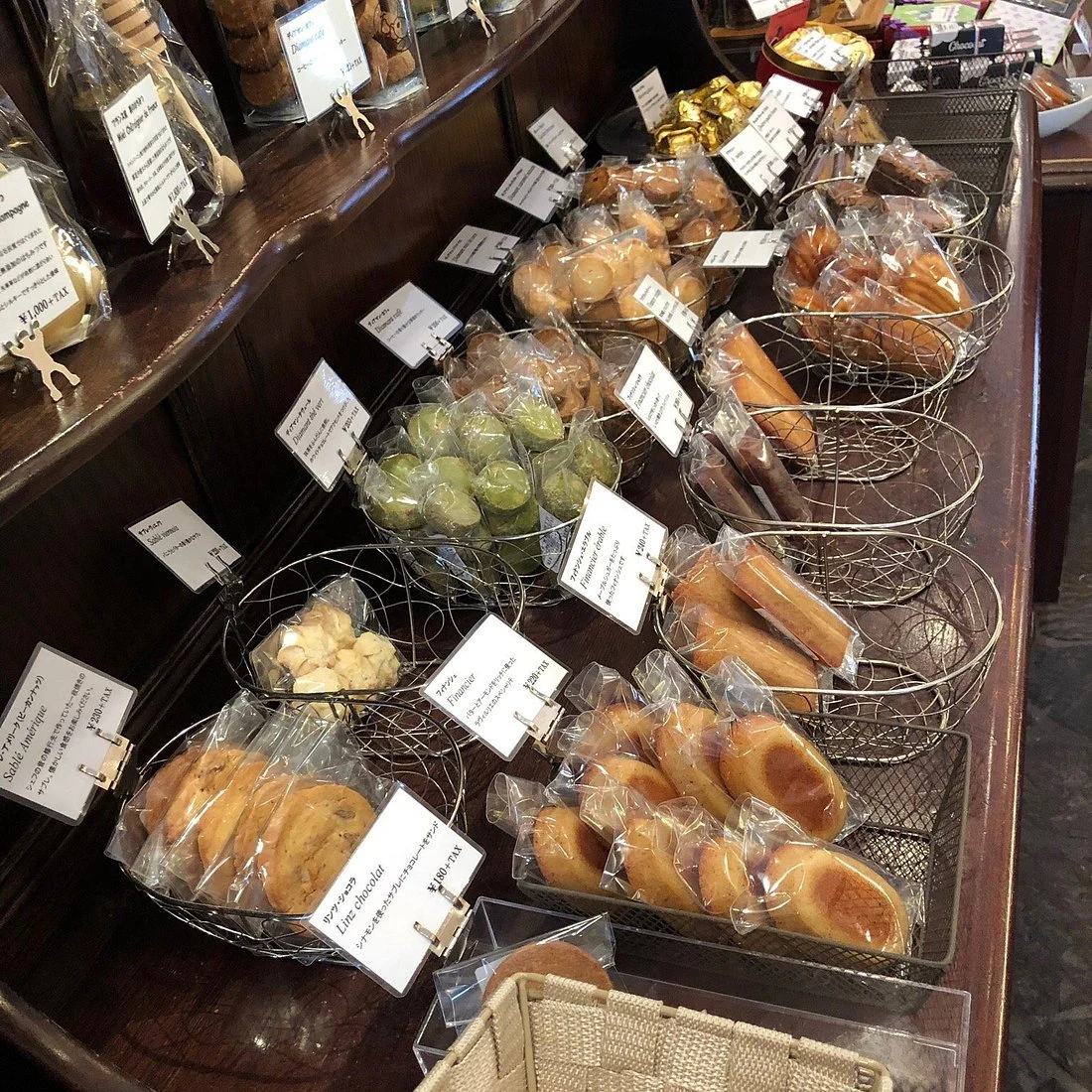
The maple-sweets identity is the clearest editorial hook. Japan’s patisserie scene has long borrowed French structure, often localizing through texture, sweetness levels, and flavor associations rather than heavy reinvention. Maple sits comfortably there: familiar enough for cakes and baked goods, specific enough to give the counter a signature. The named roll cake “Mihiro” and madeleine “Kaede” are attached to that maple-sweets positioning, giving the shop clearer identity than a generic cake counter.

Where Esaka fits into an Osaka food day

For travelers, Esaka changes the itinerary calculation. Central Osaka rewards density: meals can be stacked around Umeda, Namba, Fukushima, or Tenma with little friction. Esaka asks for a more deliberate move north, suiting a day built around neighborhoods rather than a trophy booking. That is no disadvantage if the plan already includes northern Osaka, a quieter morning, or local food systems over postcard concentration.

The competitive frame is different. A tempura meal at Shunsaiten Tsuchiya occupies the formal, chef-paced end of Osaka dining, while Osteria e Bar Geno sits in a dinner-price band that demands another commitment. CORE-CORE, at lower casual spend, gives another view of Osaka’s everyday dining tiers. Against that spread, this patisserie works as a supporting act with real editorial weight: it can sharpen a food day without becoming another seated reservation.

That role is useful because Osaka is rich in strong single-purpose formats. Travelers building days around category depth can move from coffee and bakery stops to savory institutions and later drinks without making every address carry the itinerary. For that wider map, EP Club’s Osaka coverage is the better planning spine: Our full Osaka restaurants guide, Our full Osaka hotels guide, Our full Osaka bars guide, Our full Osaka wineries guide, and Our full Osaka experiences guide keep the city’s categories separate enough to be useful.

A sweets stop for planners who care about format

The shop rewards travelers who know Japanese patisserie is as much logistics as appetite. Takeaway-only service means no table to soften a rushed purchase, and no dining-room pacing to turn indecision into theatre. Treat it like a precise errand: choose, pack, carry, and decide where the sweets fit into the day. Credit cards are accepted, while electronic money and QR code payments are not listed, a useful distinction in a country where payment habits vary sharply by venue type.

Accessibility matters more than at a seated dessert room. Wheelchair accessibility is listed, parking is unavailable, and the nearest station is Esaka, making the shop more rail-oriented than car-oriented for most visitors. Reservations are listed as available in-store or by phone, practical for anyone targeting specific items or planned pickup rather than casual browsing. The listed opening date, June 10, 2008, adds a quiet credential: longevity in a category where consistency matters more than novelty.

For readers mapping Osaka through smaller daytime stops, this address sits beside compact formats rather than against grand dining rooms. Nearby planning can include bakery and cafe references such as.cafe and 52CHO-ME BAKERY, while a savory Osaka day might pull in 551 Horai (551蓬莱), 99 Pizza Napoletana Gourmet, or a canto (Italian). Beyond Osaka, the same format-first reading explains why compact specialists such as -Grilled beef Sukiyaki- KAMAKURA TANUKIAN 鎌倉 たぬき庵 in Kamakura,. 鮪と炭火焼き うお炭 秋葉原店 in Tokyo,.know in Kumamoto, (Shoku) Vietnam in Kawasaki, [Curry Senmon Ten] Maruyama Kyoju. in Sapporo, [ki:] in Kyoto, Jōdo Saké Bar in Los Angeles, and Onigiri Time in Pasadena belong in serious travel planning: the format tells travelers how to use the place before the first order.

The verdict is simple without being simplistic. Patisserie de ESAKA SIROP D'ERABLE is not a long evening centerpiece. It is stronger as a daytime sweets stop, especially for travelers who want Osaka’s food map to include suburban patisserie craft, family-friendly takeaway culture, and a Tabelog-recognized maple-sweets specialist outside the usual central orbit.

Tags

CozyClassicHidden GemCasual HangoutSoloFamilyStandalone