.null

Patisserie Vivienne.

BakeryPatisserie4.3 on GoogleAbout $10 a head
Patisserie Vivienne.

Why go

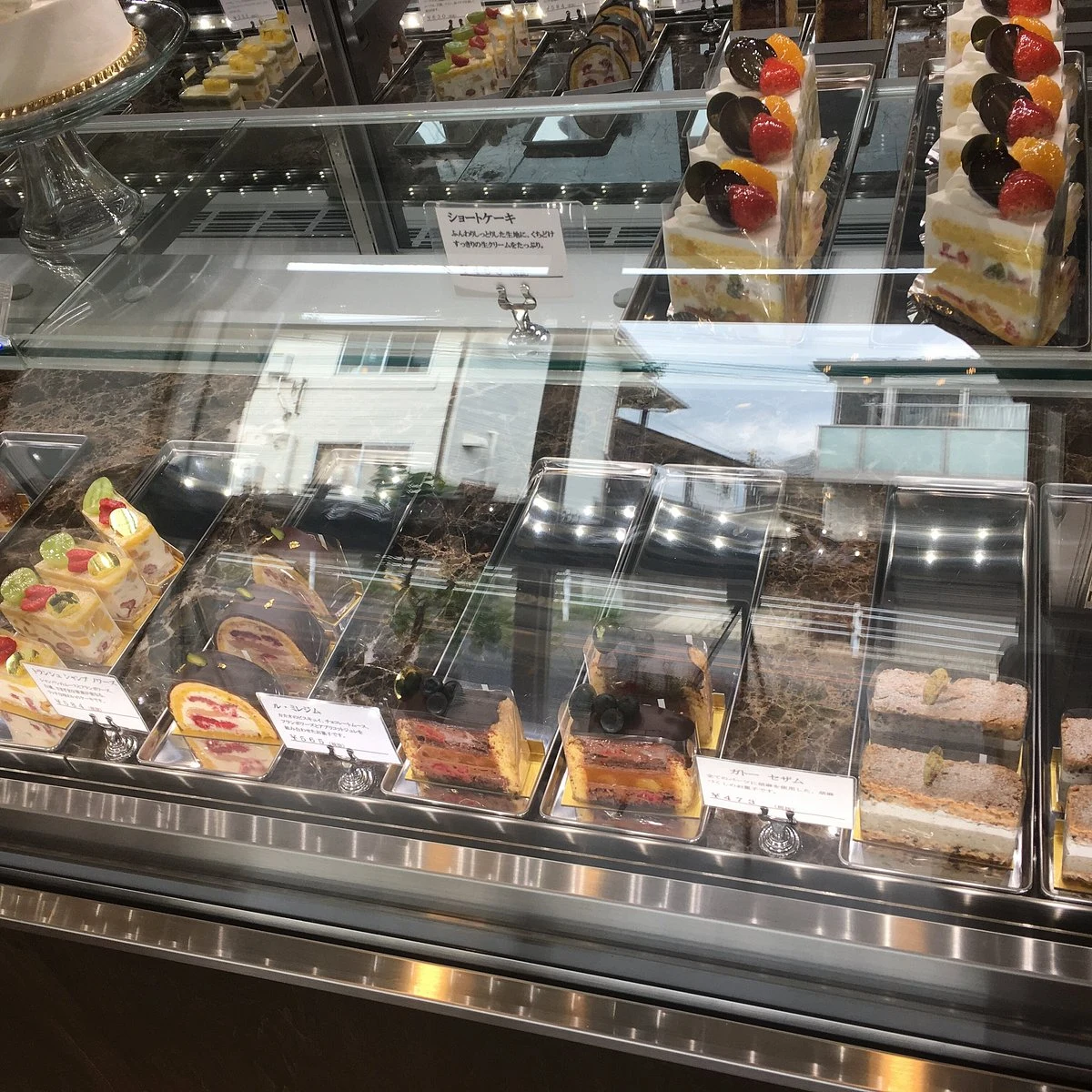
Approaching a small patisserie in Nagoya is different from approaching a restaurant. There is no dining-room theatre to soften judgment, no sommelier choreography, no long menu arc. The counter carries the argument. In Showa Ward, that format suits Patisserie Vivienne., where the point is not a prolonged meal but the precision of cake, chocolate, and bread built for carrying away.

Nagoya’s pastry scene has always had a practical streak. The city prizes reliable gifting, seasonal boxes, and train-friendly sweets as much as plated dessert. That makes the category less forgiving than it looks: cream stability, fruit condition, chocolate tempering, bread structure, and packaging all have to survive the short trip from shop to table. A patisserie in this lane is judged by repeat use rather than occasion dining.

Take-out pastry, judged by sourcing and structure

The defining idea here is disciplined pâtisserie in a take-out format. Cake, chocolate, and bread occupy adjacent but different craft registers: dairy and fruit handling for cakes, cacao work for chocolate, fermentation and bake control for bread. When a shop attempts all three, ingredient quality becomes the test rather than decoration. Poor cream cannot be hidden in a quiet room; dull chocolate has nowhere to go; bread without texture collapses once it leaves the counter.

That is why sourcing matters in this category. Japanese pastry culture often borrows French technique, but its day-to-day identity is shaped by domestic expectations around fruit seasonality, restrained sweetness, clean finishing, and gift-ready presentation. In Nagoya, where department-store pastry counters compete with neighbourhood specialists, the independent patisserie has to justify a separate trip through craft rather than brand scale.

Patisserie Vivienne. has the signals that place it inside that specialist tier. It was selected for Tabelog Sweets EAST 100 in 2018, 2022, and 2023, and carries a Tabelog score of 3.63. Those are not Michelin-style judgments, but in Japan’s sweets category they matter as crowd-sourced recognition from a market that buys pastry frequently and compares closely. The repeated selections say more than a single appearance: this is not a shop living on opening-year attention.

The relevant comparison is not Nagoya fine dining. A meal at La Liliana or a longer-format table such as Chez Kobe answers a different question. Ramen Suiren competes on quick satisfaction, while Patisserie Avalon sits closer in pastry category and price band. Vivienne belongs to the small-shop sweets circuit, where the reader’s decision is about what to carry back, not where to spend an evening.

Why Showa Ward changes the rhythm

Showa Ward gives this kind of patisserie a different audience from the station-front gift counters. The area around Yamanotetori and Yagoto Nisseki has a residential and academic rhythm, with Nagoya University close enough to shape weekday movement. That matters because pastry shops away from major transit retail need local repeat business as much as destination traffic. The format has to work for an afternoon purchase, a host gift, or a small box shared later.

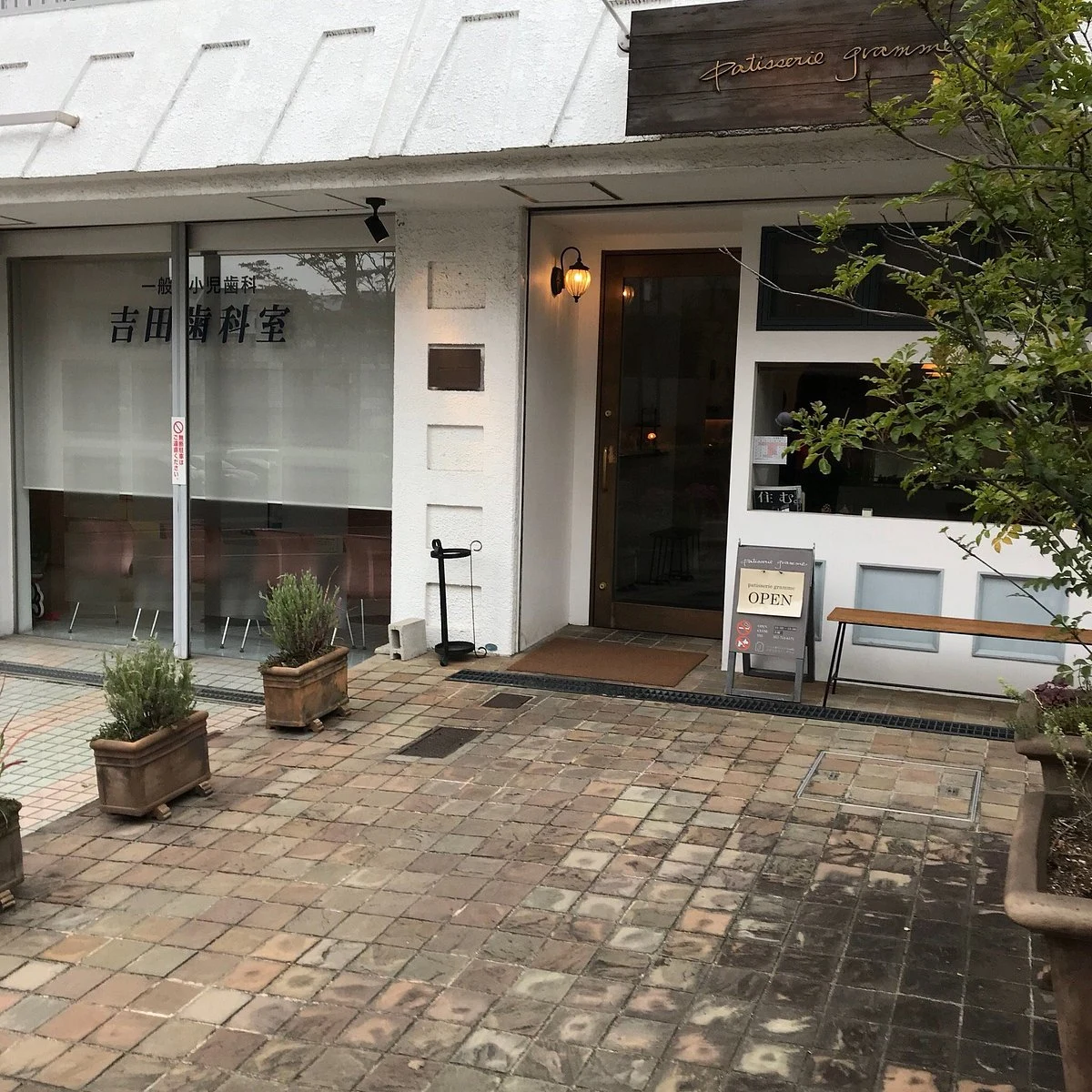
The shop’s take-out-only structure sharpens that role. Without eat-in seating, the decision is clean: choose, carry, serve. For travelers, that makes it better paired with a hotel room, apartment stay, picnic plan, or post-lunch detour than a scheduled sit-down stop. It also means timing matters in the ordinary pastry-shop sense: selection is generally strongest earlier in the day, while later visits can depend on what has sold through. That is category logic, not a claim about a single day’s counter.

The absence of a dining room also shifts attention back to finish and transport. In pastry, luxury is not always expressed through a tasting menu; sometimes it is visible in whether a cake keeps its line, whether chocolate arrives with clean snap, or whether bread still has purpose at home. Those details define the higher end of Japan’s neighbourhood sweets culture, even when the bill sits far below formal dining.

How to place it within a Nagoya food day

Strongest use case is targeted rather than casual grazing. Build the visit around pastry as the endpoint of a neighbourhood route, not as a substitute for lunch. Nagoya travelers often over-index on hits near Nagoya Station, Sakae, or Osu; Showa Ward rewards a slower plan that connects cafés, university-area streets, and residential shopping. For broader planning, Our full Nagoya restaurants guide gives the city context, while Our full Nagoya hotels guide, Our full Nagoya bars guide, Our full Nagoya wineries guide, and Our full Nagoya experiences guide cover the rest of the itinerary.

Within Nagoya’s dining map, the contrast is useful. 1022, 451, Aaron, Alan., and All Day Dining Montmartre sit in the city’s wider restaurant frame, but pastry asks for a different kind of judgment. It is less about table pacing and more about repeatable craft at retail scale.

For readers mapping Japan through specific food formats, the comparison can extend beyond Nagoya without forcing equivalence. -Grilled beef Sukiyaki- KAMAKURA TANUKIAN 鎌倉 たぬき庵 in Kamakura is meal-led,. 鮪と炭火焼き うお炭 秋葉原店 in Tokyo sits in a different urban register,.cafe in Osaka points toward café culture,.know in Kumamoto belongs to another regional circuit, (Shoku) Vietnam in Kawasaki shows how imported cuisines localize, and [Curry Senmon Ten] Maruyama Kyoju. in Sapporo is category specialization of another kind. Even overseas Japanese-format references such as Jōdo Saké Bar in Los Angeles and Onigiri Time in Pasadena underline the same point: format discipline changes how food should be read.

The editorial case for Patisserie Vivienne. is narrow and persuasive. It is not trying to behave like a restaurant. It belongs to the Japanese patisserie tradition where sourcing, structure, and retail consistency carry the experience, and its repeated Tabelog Sweets EAST 100 selections give that claim public weight. Treat it as a precision stop for cake, chocolate, or bread within a Showa Ward day, and the format makes sense.

Tags

CozyClassicHidden GemSoloCasual HangoutAfter WorkStandalone