Why go
Roughly a hundred breads a day
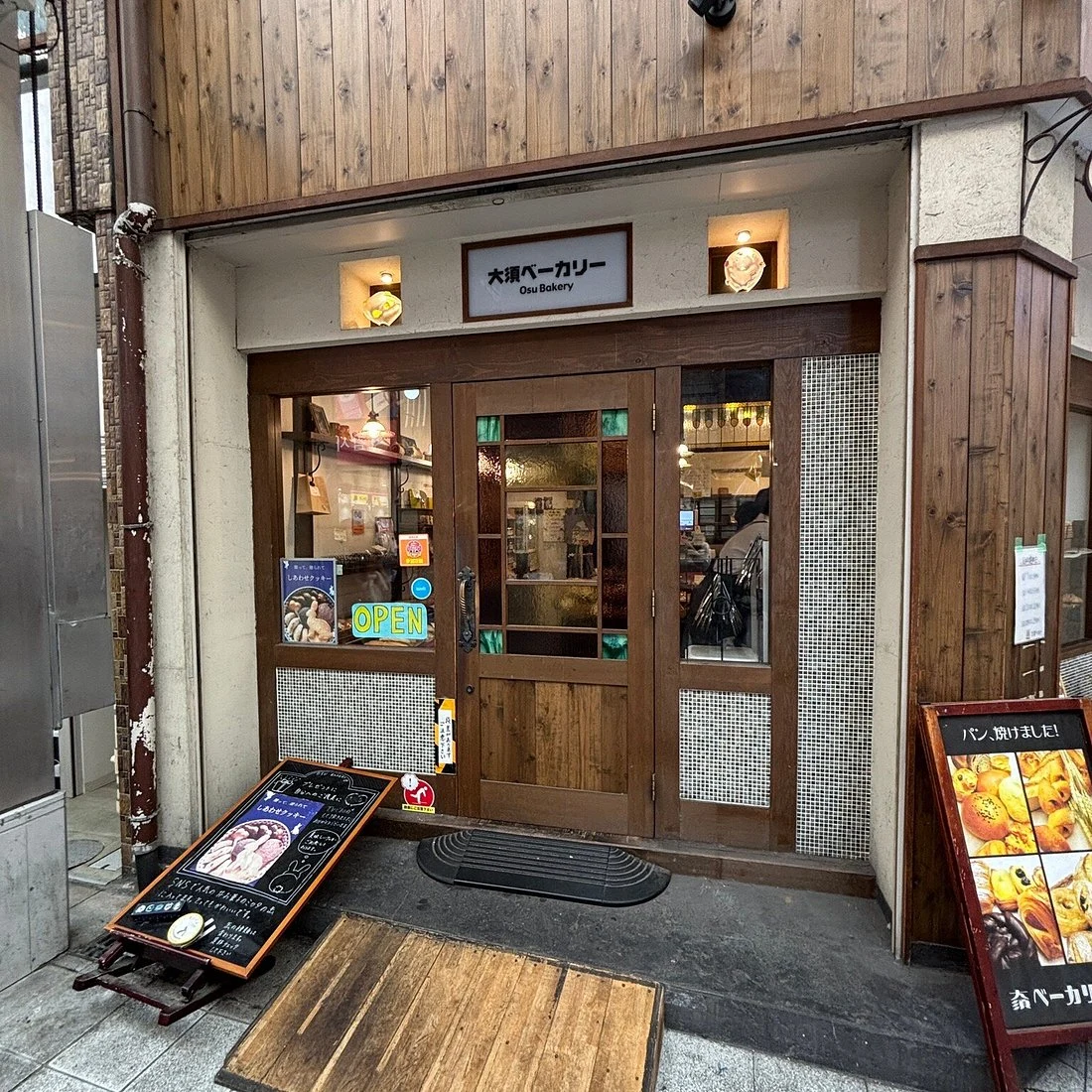
Counting is half the pleasure at Oosu Bakery, where somewhere near a hundred kinds of bread are made in a shop small enough to cross in a few steps. The range runs from hard European loaves through sweet buns and filled sandwiches, and the wooden shopfront on the Osu arcade keeps a steady line of shoppers moving past the trays. It has been baking in this corner of Nagoya since 2007, long enough that the neighbourhood treats it as a daily errand rather than a destination, and long enough that the range has grown without ever losing its footing.
The cream pan and the curry France
The signature is the cream pan, and the ratio is the whole joke: sixty-five grams of custard packed into forty-five grams of dough, so the filling outweighs the bread carrying it. Bite it at the wrong angle and it will tell you so. The other one to know is the curry France, which took gold at the Curry Pan Grand Prix in 2017 and pairs a properly spiced filling with a crust firm enough to hold it.
Past those two, a sesame shokupan comes through dense with seed, and the croissant aux amandes is the oldest thrift move in the trade done properly: yesterday's croissants soaked, filled with almond cream and sent back through the oven. The house position is that nothing on the shelf should be a miss, which is why the range can be this wide without a weak corner, and why regulars buy across it rather than sticking to one shelf.
A Tabelog 100 bakery, and how to shop it
Oosu Bakery has been named to the Tabelog 100 bread list for eastern Japan in 2020, 2022 and 2026, which is unusual company for a shop this size. The recognition has not changed how it works. Bread comes out through the day rather than in one morning wave, so the trays you meet depend entirely on when you arrive, and the shop fills and empties in cycles alongside the arcade around it.
The sensible approach is to take a tray, put the cream pan on it before anything else, add the curry France if it is out, and then fill the gaps with whatever has just landed warm. Osu is a shopping street built for grazing, and this is the bakery that supplies the walk.
Frequently asked questions
What should you order at Oosu Bakery?
The cream pan first. It carries sixty-five grams of custard in forty-five grams of dough, so there is more filling than bread, and it is the item the shop is known for. After that, look for the curry France, which won gold at the Curry Pan Grand Prix in 2017, and the sesame shokupan.
How many kinds of bread does Oosu Bakery make?
Around a hundred, ranging from hard European loaves to sweet buns and filled sandwiches. They come out of the oven through the day rather than all at once, so the selection on the trays shifts depending on when you walk in. The bakery has been named to the Tabelog 100 bread list for eastern Japan three times.
Compare nearby places
| Venue | Type | Area |
|---|---|---|
| Patisserie Avalon | Bakery | Yagoto |
| Boulangerie Papi-Pain | Bakery | Tenpaku-ku Ueda |
| Patisserie Vivienne. | Bakery | .null |
| patisserie gramme | Bakery | Chikusa |
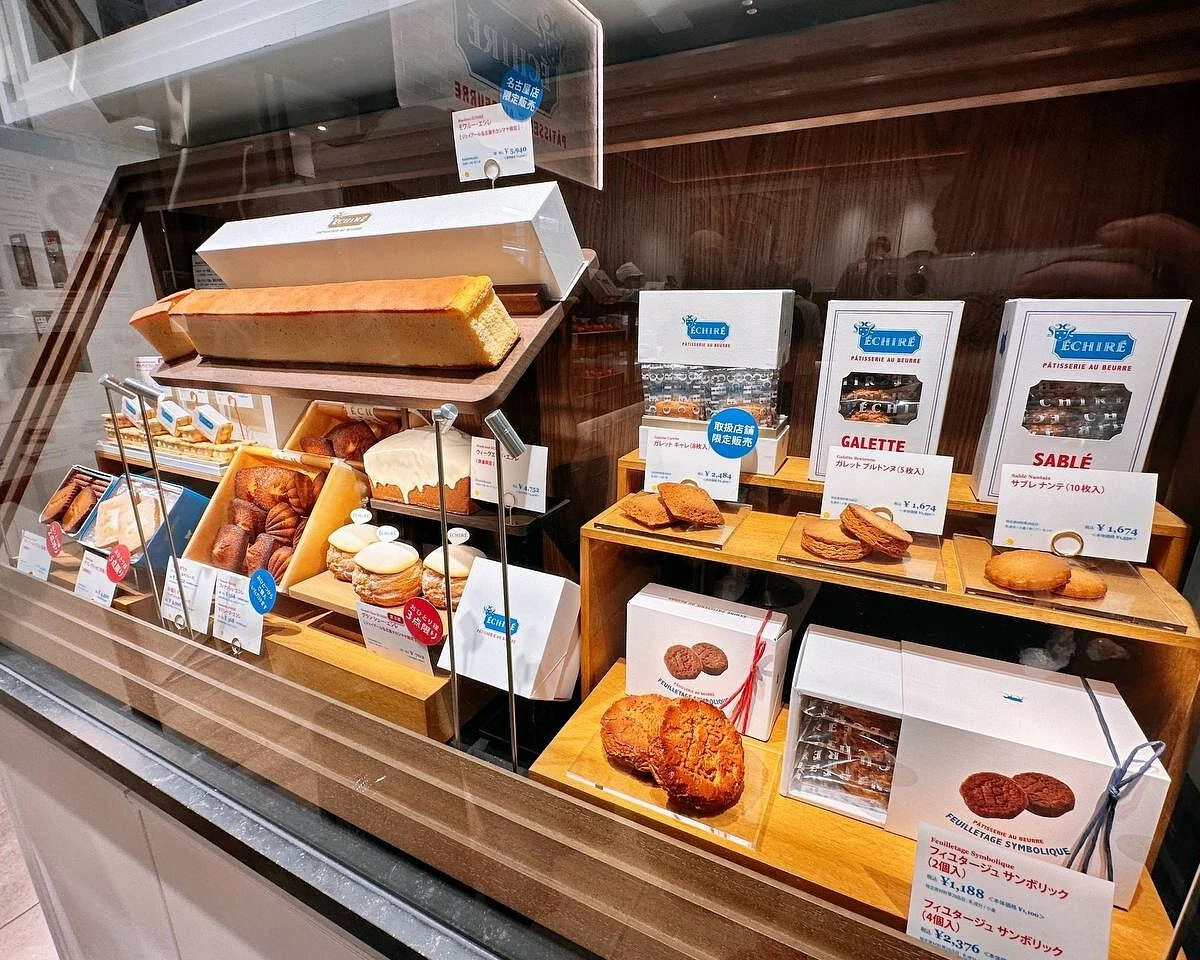
| Echire Patisserie au Beurre | Bakery | Nagoya Station / JR Nagoya Takashimaya |