Yagoto

Patisserie Avalon

BakeryPatisserie4.0 on Google
Patisserie Avalon

Why go

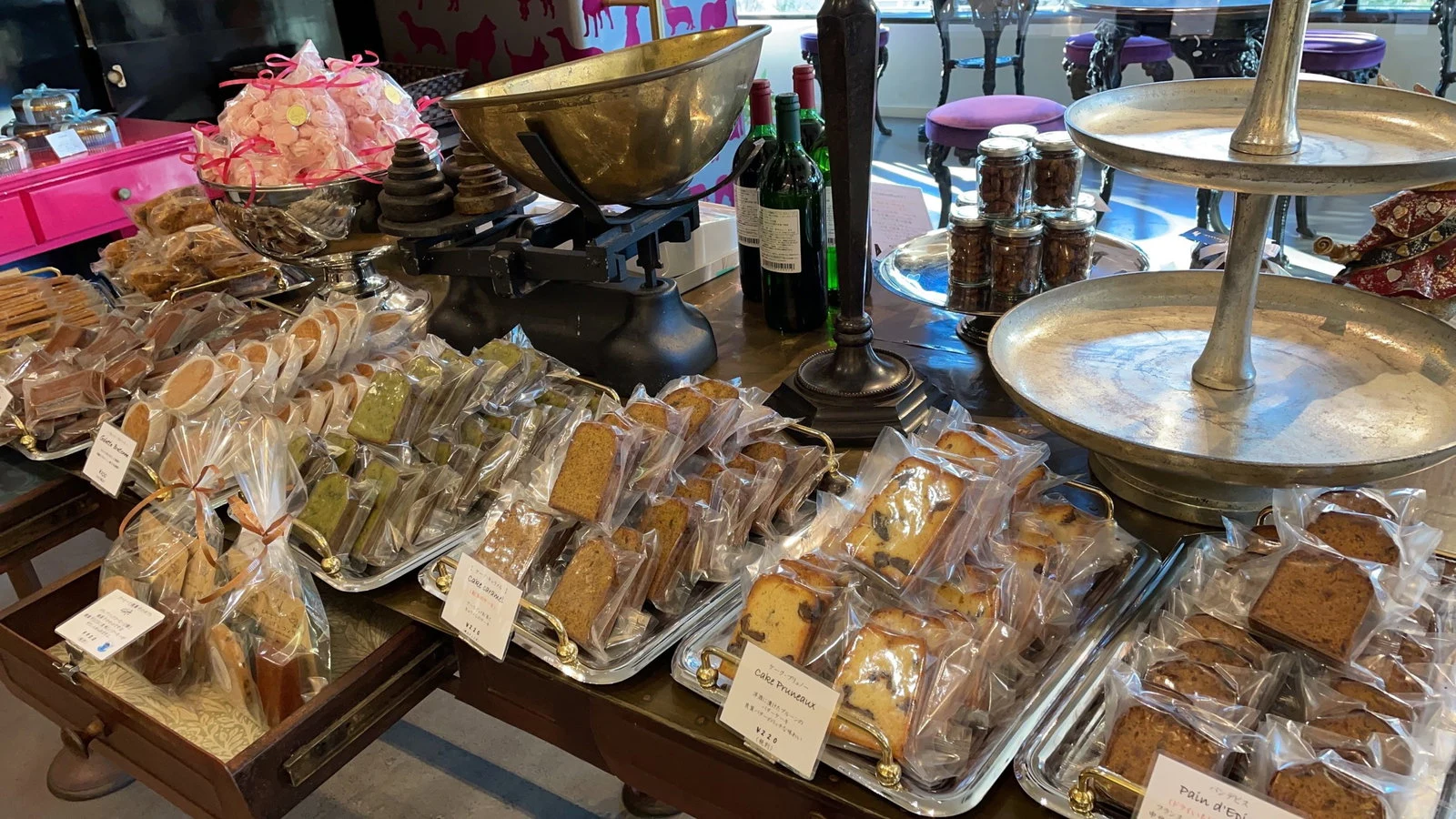
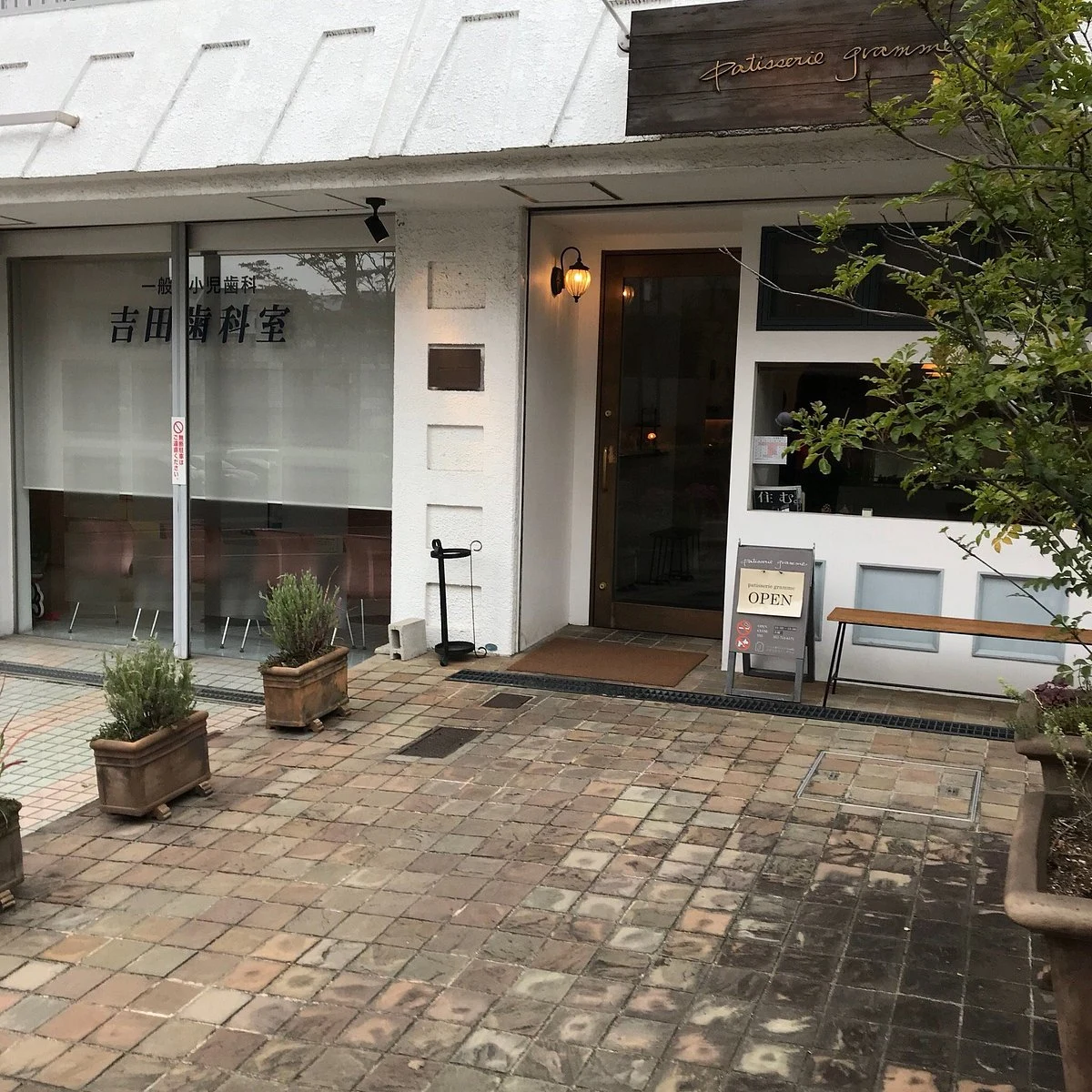
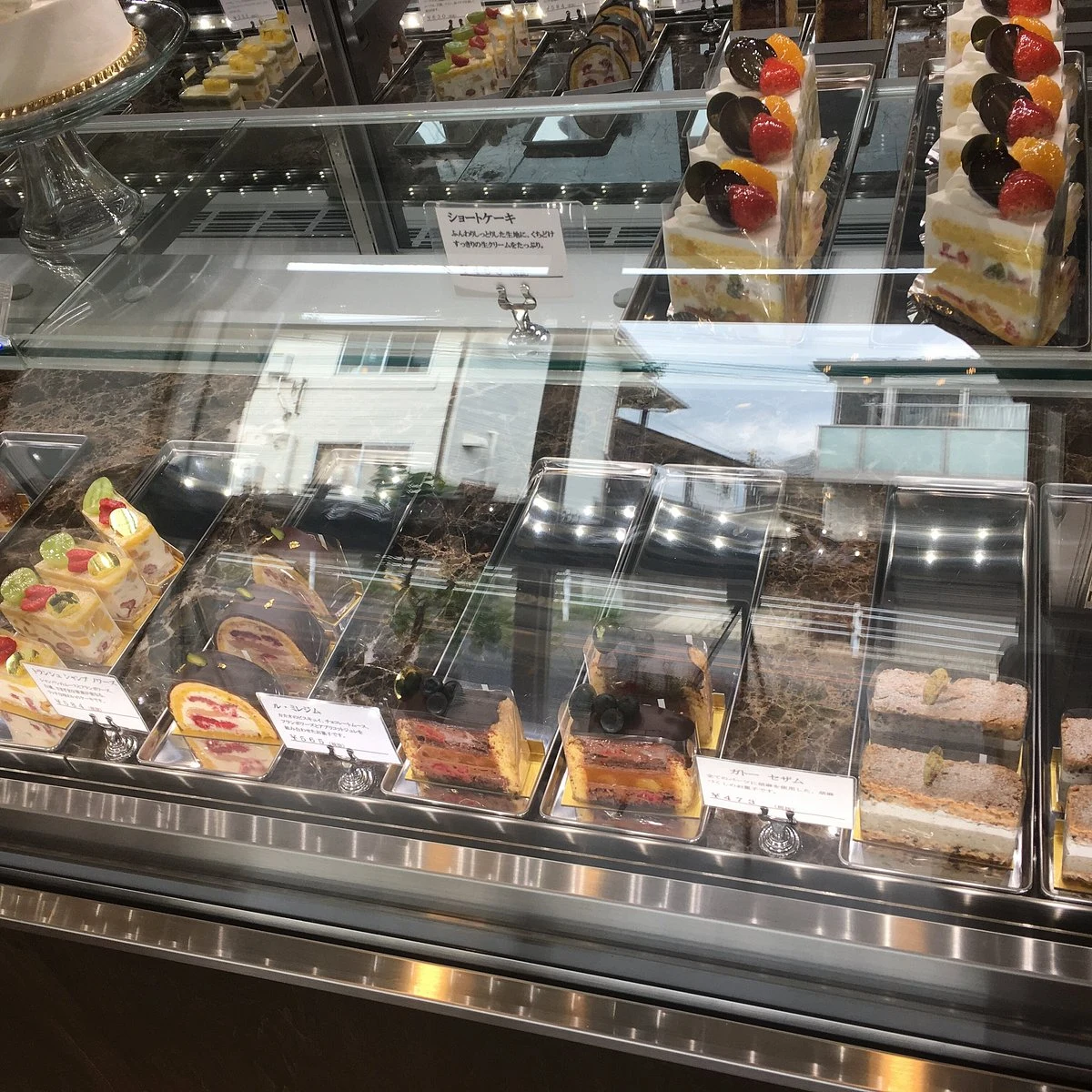
Yagoto has a quieter rhythm than Nagoya Station or Sakae, and that matters for patisserie. The approach is not a grand hotel lobby or department-store basement counter, but the local Japanese model: arrive, choose carefully, leave with a box. Patisserie Avalon fits that culture neatly. Listed as takeaway only, it puts emphasis where Japanese cake shops often do: selection, timing, and transport rather than dining-room theatre.

Nagoya’s dining reputation is often reduced to hitsumabushi, miso katsu, kishimen, and coffee-shop morning sets. Sweets are quieter, but reveal a different local discipline. Japanese-French patisserie outside Tokyo tends to reward consistency over spectacle: cream work, seasonal fruit handling, chocolate, pastry structure, and packaging must survive the journey home. In that context, a Tabelog score of 3.67 and repeated inclusion in the Tabelog Sweets EAST “Tabelog 100” list are useful signals. Avalon is not a novelty stop; it sits within a recognized regional sweets tier.

Japanese-French cake culture, without the café performance

The modern Japanese cake shop grew from French technique but developed its own habits. Portions are compact, presentation exacting, sweetness often restrained by Western standards, and cake-buying is tied to gifting, family occasions, and after-dinner rituals as much as solo snacking. The category differs from a pastry counter built around breakfast viennoiserie or a dessert course attached to a tasting menu.

Avalon’s category is listed simply as cake, and that simplicity helps. It places the shop in the everyday-luxury end of Japanese patisserie rather than the restaurant-dessert sphere. The JPY 1,000 to JPY 1,999 price band also clarifies the decision: not a destination dégustation, but a considered sweets purchase where quality expectations remain high. For travelers judging pastry through Parisian salon culture, Nagoya’s model can feel transactional. That is the point. The transaction is part of the discipline.

The Tabelog Sweets EAST “Tabelog 100” selections in 2019, 2020, 2022, and 2023 matter because Japanese sweets rankings tend to favor repeatable craft over flash. A viral dessert can draw a queue; repeated selection suggests a shop has kept enough local confidence to remain in the conversation. The 2023 listing places Avalon among recognized sweets addresses in eastern Japan, a broad field that includes far denser pastry markets than Nagoya.

Where it sits in Nagoya's broader dining map

Nagoya’s premium dining map is split between formal restaurants, specialist counters, and neighborhood addresses serving locals before travelers. Avalon belongs to the third category, making it a useful counterweight to the city’s elaborate dining rooms. Heritage and Chez Kobe point to Nagoya’s polished Western restaurant tradition; La Liliana works at a higher meal price tier; Sekine sits in a far more expensive bracket. Avalon operates by different rules: fewer courses, no table pacing, no sommelier framing, and less tolerance for inconsistency because the product is judged immediately and often shared.

That comparison helps with planning and culture. Japanese cities often treat sweets as serious craft outside the restaurant hierarchy. A cake shop can carry award recognition, local loyalty, and technical ambition without asking the visitor to surrender an evening. In Nagoya, that distinction matters. The city rewards eating across formats: a formal dinner one night, a specialist lunch the next, and a sweets run folded into a station transfer or neighborhood walk.

The Yagoto setting reinforces the point. This is not Nagoya’s towers or department-store food halls; it is a university-adjacent, residential area where a patisserie has to earn repeat custom. The format also suits travelers staying elsewhere in the city. Cake is fragile, so Avalon is better as a planned stop before returning to a hotel or apartment, not something to carry through a long sightseeing loop.

How to read Avalon before you go

The practical appeal is narrow and clear. Avalon is for travelers who care about Japan’s sweets culture and want a Nagoya address with external recognition, not a long café session. Reservations are listed as available, but with takeaway only, the key question is less securing a table than visiting early enough for choice. Hours run in the daytime, and the listed closing pattern is irregular, so plan midday or afternoon rather than as an after-dinner fallback.

Payment is built for contemporary Japan: credit cards, electronic money, QR code payments, and PayPay are listed. Two parking spaces are noted, and wheelchair accessibility is listed, but rail remains the cleaner way to fold Yagoto into a city itinerary. For a wider route through the city’s dining scene, start with Our full Nagoya restaurants guide, then use Our full Nagoya hotels guide, Our full Nagoya bars guide, Our full Nagoya wineries guide, and Our full Nagoya experiences guide to shape the rest of the day.

Readers comparing smaller Japanese dining formats may also find useful contrasts in 1022, 451, Aaron, Alan., and All Day Dining Montmartre. For a broader Japan-and-beyond reading list, compare format and casual-specialist positioning with -Grilled beef Sukiyaki- KAMAKURA TANUKIAN 鎌倉 たぬき庵 in Kamakura,. 鮪と炭火焼き うお炭 秋葉原店 in Tokyo,.cafe in Osaka,.know in Kumamoto, (Shoku) Vietnam in Kawasaki, [Curry Senmon Ten] Maruyama Kyoju. in Sapporo, Jōdo Saké Bar in Los Angeles, and Onigiri Time in Pasadena.

The editorial case for Patisserie Avalon is not that it transforms a Nagoya trip. It is sharper: Avalon gives travelers a clean read on how Japanese patisserie works outside the capital, where recognition, neighborhood use, and takeaway discipline matter more than room design or chef mythology. In a city often reduced to hearty regional food, that is a useful correction.

Tags

CozyClassicHidden GemSoloCasual HangoutFamilyCelebrationStandalone