Why go
A pastry case run as a programme
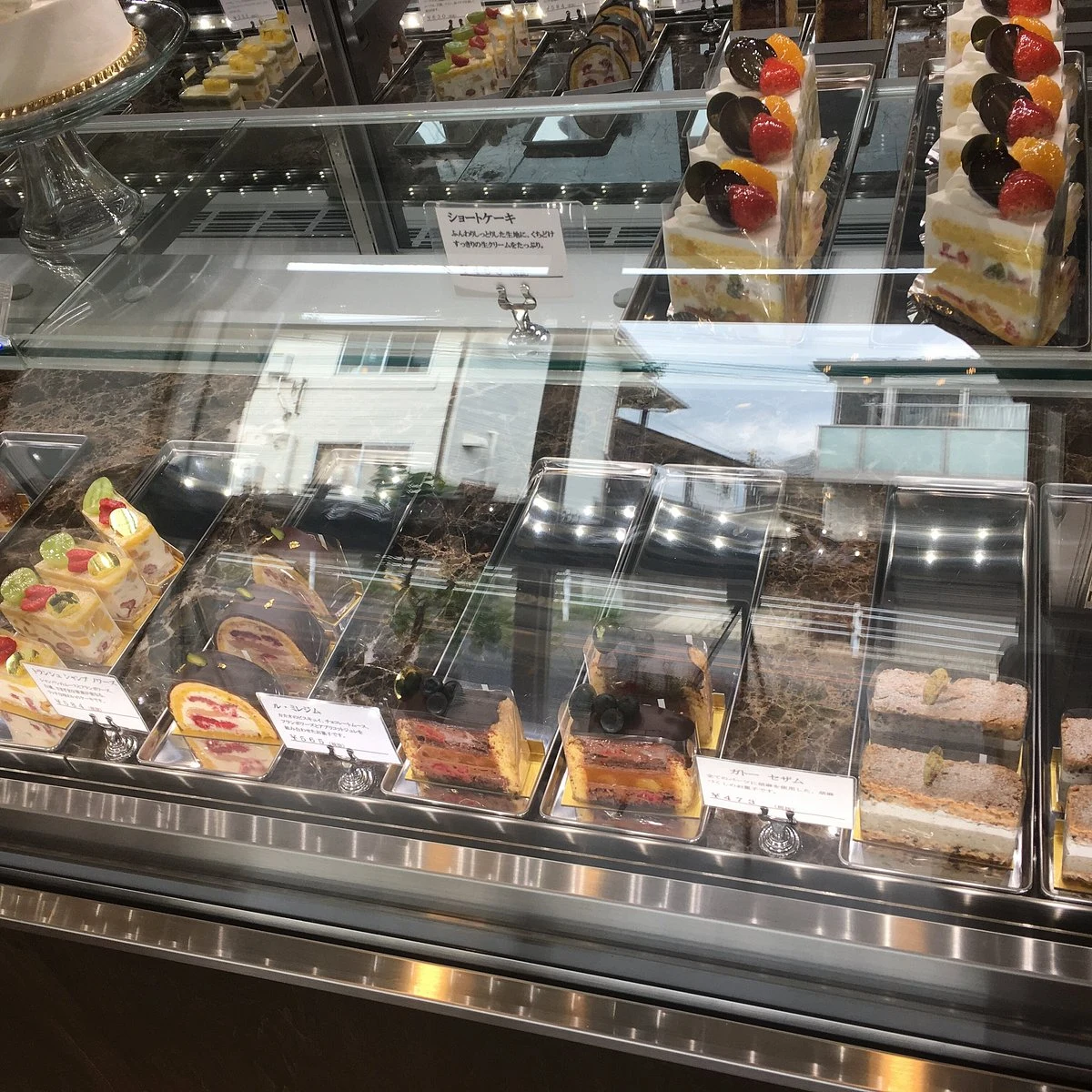
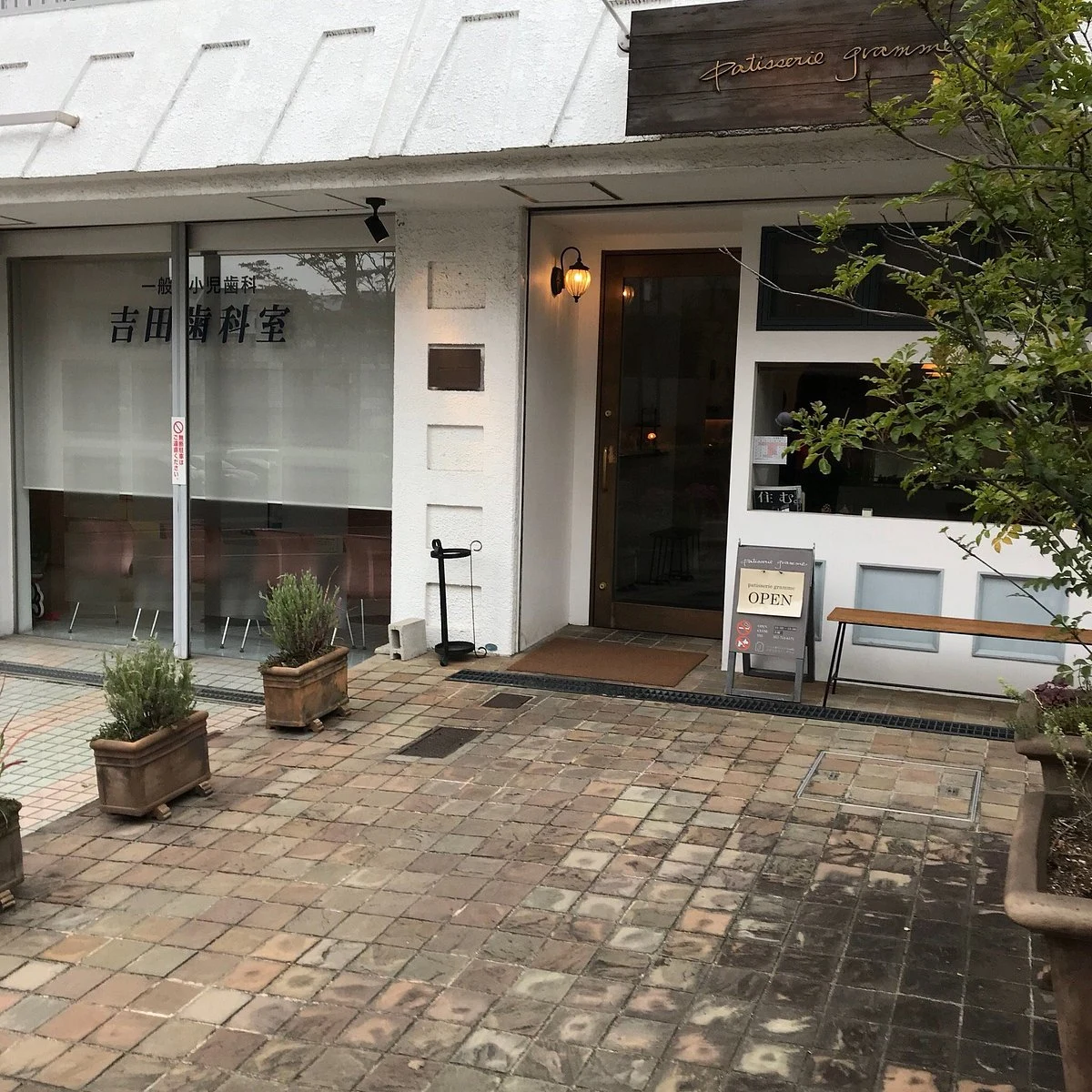
Patisserie gramme is a French-style patisserie first and a café second, and the case sets the order of things. Individual cakes, confections and seasonal cakes are chosen one at a time, classical in method and Japanese in the discipline of the selection, with Pistache and nougat provençal among the names that stay in the memory.
The calendar drives the rest. Seasonal cakes keep the counter tied to what is in season, and limited cakes appear for specific moments in the year, June and Father's Day among them. The drinks list is deliberately short, a selected coffee and a selected tea, there to sit beside a cake rather than to form a separate coffee bar. Gramme was placed at number 27 in the Tabelog 100 for 2023.
A small, quiet salon in Nagoya
The room works like a pastry salon rather than a casual café. Gramme grew out of a takeaway shop by adding eat-in service, and the seated side stays tightly managed: tables are set for one or two people, which changes the pace of the room. There is less group lingering and more attention on the plate.
The house asks guests to avoid strong perfume and tobacco odours, and that is not etiquette for its own sake. It protects the aroma of the cakes, the confections and the tea, which is the same reason the drinks list stays short. The result is a calm, focused setting built around small orders and careful eating, with an online shop extending the pastry beyond the room.
Order Pistache, then a seasonal cake
Approach the order as a patisserie order rather than a café snack. Pistache is the place to start, the clearest statement the house makes with a single flavour, and nougat provençal is the confection to take away afterwards.
Then look at the case for whatever seasonal cake is running, because that is where the calendar-led work shows most directly. If a limited cake is out, it carries the same idea into a specific occasion rather than a season. Add one of the selected drinks, coffee or tea, since the eat-in format is built around that pairing. The best order here is small and deliberate: one cake, one confection, one cup, and enough quiet to let texture and aroma register.
Frequently asked questions
What should you order at patisserie gramme?
Start with Pistache, the clearest statement the house makes with a single flavour, then take nougat provençal away with you. Whatever seasonal cake is in the case is the other order worth making, and one of the selected coffees or teas is meant to sit beside it.
What is the room like at patisserie gramme?
Small and quiet, closer to a pastry salon than a café. Gramme added eat-in service to what began as a takeaway shop, and tables are set for one or two people. Guests are asked to avoid strong perfume and tobacco odours, which protects the aroma of the cakes and the tea.
Compare nearby places
| Venue | Type | Area |
|---|---|---|
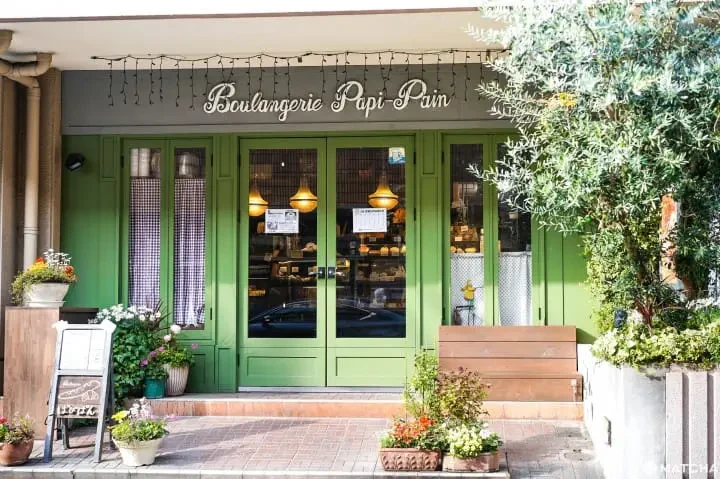
| Boulangerie Papi-Pain | Bakery | Tenpaku-ku Ueda |
| Patisserie Vivienne. | Bakery | .null |
| Patisserie Avalon | Bakery | Yagoto |
| Oosu Bakery | Bakery | Osu |
| Echire Patisserie au Beurre | Bakery | Nagoya Station / JR Nagoya Takashimaya |