Why go
Hand drip is the order that shows what Momos Coffee is doing. This is the Busan flagship of a specialty roastery founded in the city in 2007, and the counter is built around espresso, hand-drip coffee and beans to take away rather than a wide café menu.
The main branch of a Busan roastery
As the brand's main branch, the flagship carries the roastery identity rather than acting as an outpost of it. Momos frames its work around understanding the essence of coffee and around ethical, honest practice connecting producers, makers and drinkers, and the bar is where that gets tested.
Its standing has travelled well beyond Busan: the shop placed 22nd on The World's 100 Best Coffee Shops list for 2026. In the cup the emphasis stays narrow, which is part of why it holds up. Roasted beans are sold alongside the drinks, so the flagship works as the roastery's shop as much as its café.
Several buildings, a garden and a slower pace
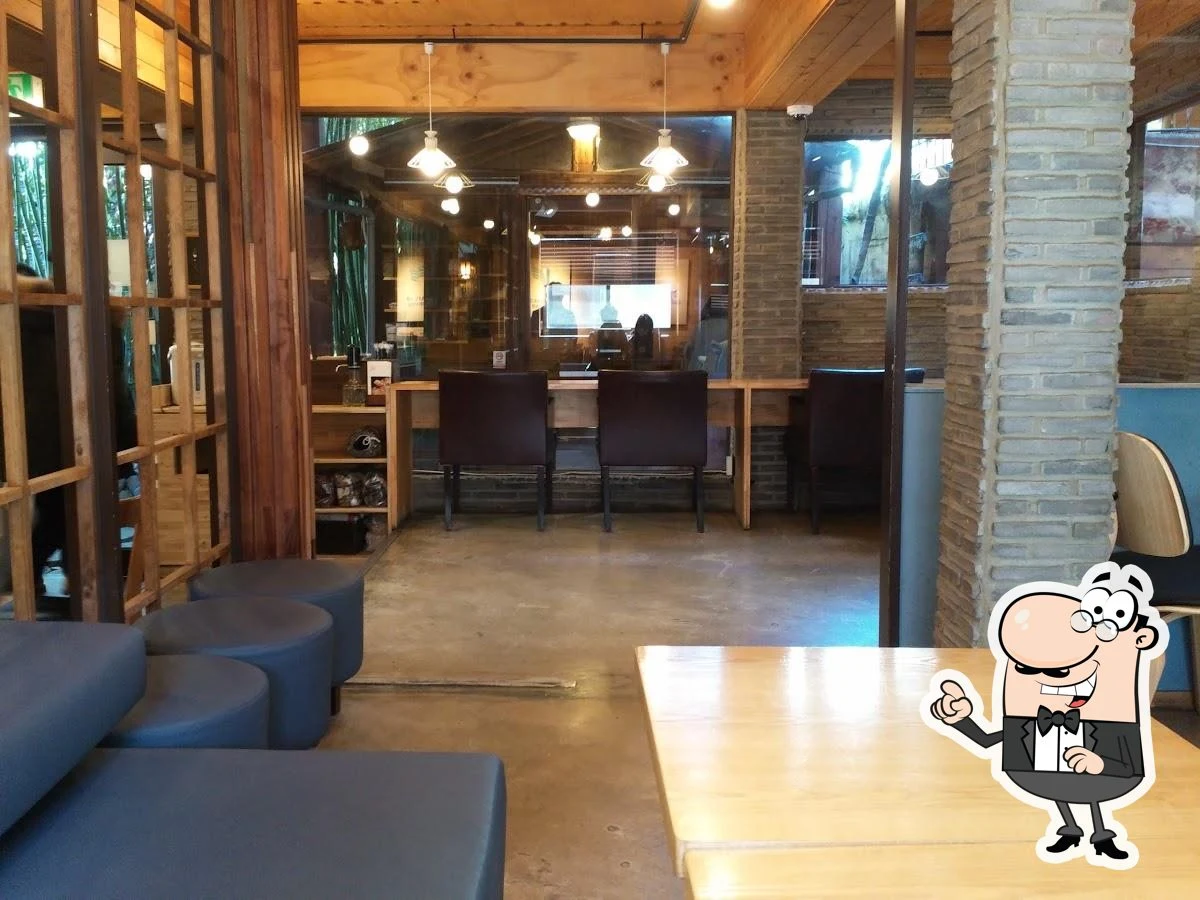
The flagship is built for staying rather than for grabbing. The premises run across multiple buildings with several seating areas, a large number of seats and planted gardens, and the architecture is part of the visit.
That layout suits the coffee. A hand drip can be the main event while an espresso is a shorter stop inside the same room, and the garden and separate zones give the place a contemplative quality even when it is busy. Staff are attentive, including through the busiest holiday periods, and the landmark status has not turned the pace into a transaction.
Order the hand drip, then the sweet potato bread
Start with hand drip for the clearest expression of the roastery's focus. The service rotates single origins rather than holding one fixed offer, so what is open changes; an Ecuador series has been among them. Espresso is the other natural first order for anyone who prefers a shorter, more concentrated cup and wants to judge the roast on balance and texture.
The food side is a house bakery rather than a kitchen. Sweet potato bread is the most distinctive first pastry and the one that gives the order a Busan feel next to a hand drip. Cranberry cream cheese pastries are the richer pairing, while a madeleine or a croissant keeps the focus on the cup.
Tags
Frequently asked questions
What should I order at Momos Coffee Flagship Store?
Hand drip first. It is the clearest expression of the roastery's work, and the single origins rotate rather than sitting still, so it is worth asking what is open. Espresso is the shorter alternative. From the bakery, sweet potato bread is the most distinctive pairing, with cranberry cream cheese pastries, croissants and madeleines alongside.
Compare nearby places
| Venue | Type | Area |
|---|---|---|
| Strut Coffee | Café | Jeonpo / Seomyeon cafe street |
| APEACH Cafe | Café | Nampo-dong |
| Café Diva | Café | Chuo-ku |
| Coffee Bimi | Café | Akasaka, Chuo-ku |
| Patisserie Au Fil Du Jour | Bakery | Sakurazaka |