Nishi Kokubunji

KURUMED COFFEE

CafeCoffee Bar4.4 on GoogleAbout $10 a head
KURUMED COFFEE

Why go

A suburban Tokyo cafe differs from a Ginza counter or hotel lounge. Before the meal, the tempo drops: station traffic thins, the room contracts, and the question is whether a cafe can hold attention without theatre. In Nishi-Kokubunji, that matters. Tokyo cafe culture splits between design-forward espresso bars, old kissa rooms built on routine, and small cake-and-coffee addresses where ingredient sourcing and disciplined limits matter more than novelty.

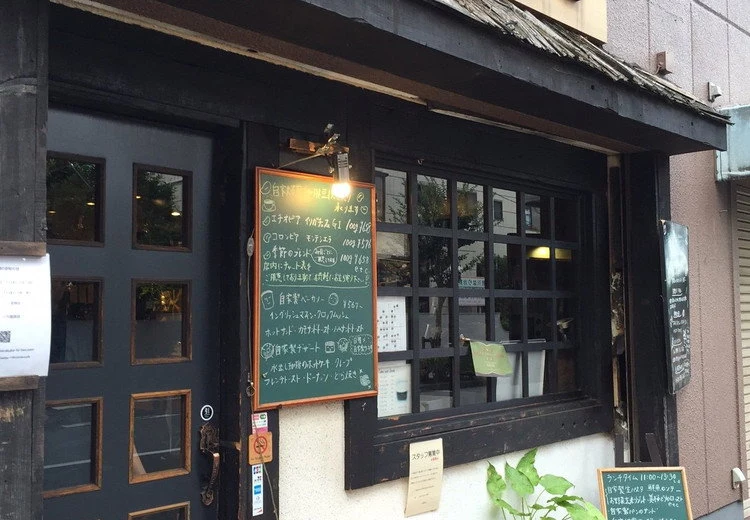
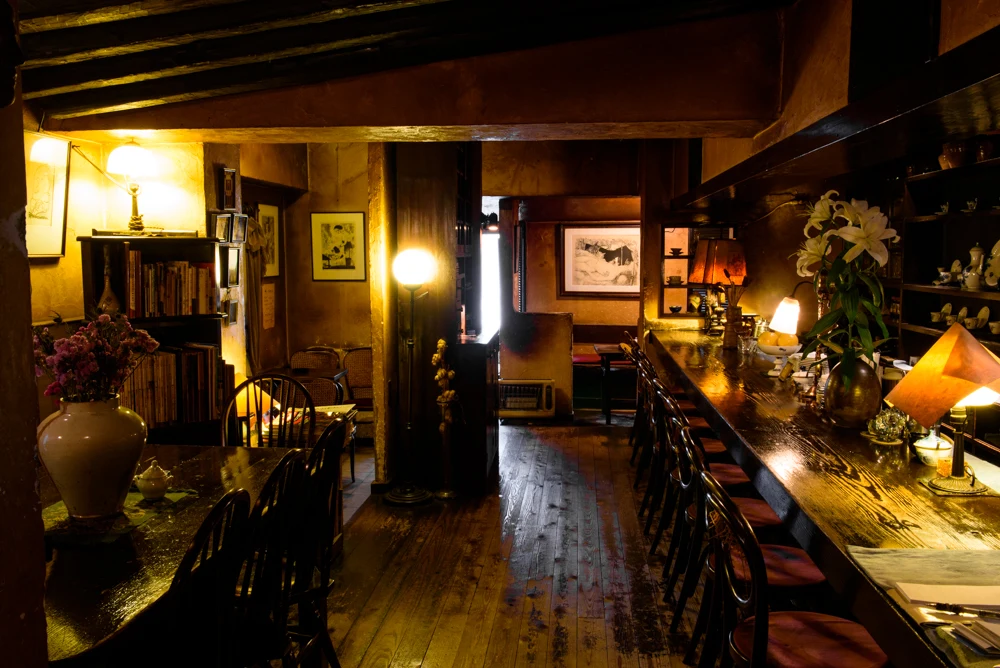
KURUMED COFFEE sits in that third lane. Its categories, cafe, kissa, and cake, say more than a generic “coffee shop” label. It is neither coffee-as-speed near major interchange stations nor a dessert salon built on queues and seasonal spectacle. Its appeal is local and precise: a compact room, counter seating, take-out service, and a health-and-wellness menu. In Tokyo, where premium dining often announces rarity or price, this cafe asks for another reading. Its seriousness lies in restraint, consistency, and making daytime food feel considered without turning it into a tasting-menu exercise.

A Nishi-Kokubunji cafe in the kissa-and-cake tradition

Tokyo’s kissa culture has always been partly about repetition: regulars return for a familiar seat, measured pace, and food suited to midday rather than one photograph. Modern cafes have pulled that tradition toward specialty coffee, patisserie, or lunch plates shaped by vegetable sourcing, grain choices, and lighter cooking. KURUMED COFFEE’s health-and-wellness menu places it near the last group, where ingredient decisions define the identity even when the cooking stays casual.

That distinction matters because Tokyo’s cafe category can flatten meaning. A Shibuya cake counter, a kissaten near an old rail hub, and a small suburban lunch cafe may share a search filter, but serve different needs. Here, the evidence points to a neighborhood cafe with enough culinary seriousness to be selected for Tabelog Cafe EAST “Tabelog 100” 2025, after Cafe “Tabelog 100” selections in 2022 and 2021. That recognition separates it from many competent coffee rooms and places it inside a curated cafe set for eastern Japan.

The western Tokyo comparison set explains the tone. Kurumi Do Kissa Ten sits in the same accessible cafe price band, while nearby casual specialists such as Chuka Soba Hirai, Teuchi Kage Hinata, Teuchi Udon Fukusuke, and Kodaira Udon Kodaira honten show how this side of Tokyo rewards focused, everyday formats. The common thread is specificity, not luxury: one room, one clear purpose, a price level that invites repeat visits, and enough craft to avoid disposability.

Ingredient-led cafe food without the performance language

The phrase health-and-wellness menu can sound vague, but in Tokyo’s better cafes it usually signals a practical philosophy: lighter plates, sweets that sit comfortably beside coffee or tea, and food designed for solo diners, families, and friends rather than one high-pressure occasion. The family-friendly and solo-dining signals matter because they show how the format works. A 24-seat room can feel intimate without becoming exclusive, and counter seating gives single diners a legitimate place rather than a compromise table.

Here, ingredient sourcing is more than a fashionable claim. In the cafe-kissa-cake genre, ingredients must work across daytime meals, sweets, drinks, and take-out. The margin for excess is small: heavy technique overwhelms the format, while careless sourcing makes the cooking anonymous. Strong Tokyo cafes in this lane read as balanced rather than dramatic, using produce, grains, dairy, nuts, or seasonal pantry elements to support repeat eating. KURUMED COFFEE’s health-and-wellness direction belongs in that lens: less spectacle, more attention to how a cafe meal lands mid-day.

For travelers building a Tokyo eating schedule, that makes it different from destination dining. It is not a replacement for a sushi counter, yakitori counter, or kappo reservation; it is a corrective. After several nights of structured meals, a serious cafe shows another side of the city’s food intelligence: the everyday discipline of cake, coffee, lunch, and room rhythm. Readers mapping the wider city can cross-reference Our full Tokyo restaurants guide, then separate daytime cafe stops from dinner-led addresses such as 124. KAGURAZAKA (Yakitori), 12/10 Shinjuku ten, . 鮪と炭火焼き うお炭 秋葉原店, and 3 Chome no Curry Ya San.

How to place it in a Tokyo itinerary

Nishi-Kokubunji is not the default base for short-stay visitors, so the cafe reads differently from central Tokyo’s high-turnover rooms. The neighborhood setting shifts expectations from trophy dining toward an address that rewards intentional routing. It belongs on a western Tokyo day, not as a rushed detour between hotel check-out and an evening reservation across town.

The practical appeal is condensed, not expansive. The room is small, private rooms are not part of the format, smoking is not allowed, and payment remains cash-oriented rather than card-led. Those facts shape the experience: expect a compact Japanese cafe, not a hotel lounge. Weekday reservation availability gives planners a useful lever, the take-out option broadens the format beyond a sit-down visit, and the absence of on-site parking reinforces the rail-oriented nature of the stop.

Tokyo cafe coverage often over-rewards visual novelty, which is why addresses such as 2D Cafe can dominate casual discovery. KURUMED COFFEE asks for another kind of attention: ingredient-conscious cafe food, cake, and kissa continuity in a quieter district. For broader trip design, pair restaurant planning with Our full Tokyo hotels guide, Our full Tokyo bars guide, Our full Tokyo wineries guide, and Our full Tokyo experiences guide. Travelers extending the lens beyond Tokyo can compare how casual Japanese formats translate elsewhere through -Grilled beef Sukiyaki- KAMAKURA TANUKIAN 鎌倉 たぬき庵 in Kamakura,.cafe in Osaka,.know in Kumamoto, (Shoku) Vietnam in Kawasaki, [Curry Senmon Ten] Maruyama Kyoju. in Sapporo, [ki:] in Kyoto, Jōdo Saké Bar in Los Angeles, and Onigiri Time in Pasadena.

The editorial case is clear: this is a Tokyo cafe for readers interested in how everyday formats carry craft. The draw is not spectacle, scarcity language, or chef mythology. It is the combination of a small room, cafe-kissa-cake identity, ingredient-aware cooking, and third-party recognition in a category that depends on repeat credibility more than grand gestures.

Tags

CozyQuietHidden GemClassicSoloFamilyCasual HangoutStandalone
KURUMED COFFEE — Artefice