Why go
The gelato counter in Tokyo is built around Florentine-style chocolate, and GELATERIA VITALI keeps 15 flavours ready in Jiyugaoka.
Florentine chocolate, worked cold
The programme starts with chocolate rather than dairy. The house presents its gelato through the language of Florence, where chocolate and gelato sit close together, and it pushes cacao high enough that the darker flavours read closer to fresh chocolate than to cream-heavy ice cream. That matters when choosing. Cacao Extra Amaro and Fondente Al Cioccolato are not there to flatter sweetness first; they give bitterness, aroma, and a clean finish the lead. The wider chocolate family runs well beyond the few names in the case on any given day, with more than 30 standard recipes in rotation. Cioccolatte softens the line with milk chocolate, Al Cioccolato Rose brings a floral edge, Latte & Cacao splits the difference, and Cocoa & Hazelnut folds the chocolate work into nuts. This is a gelateria for people who want cacao to behave like the main ingredient, not a colour.
Fifteen flavours and a small counter rhythm
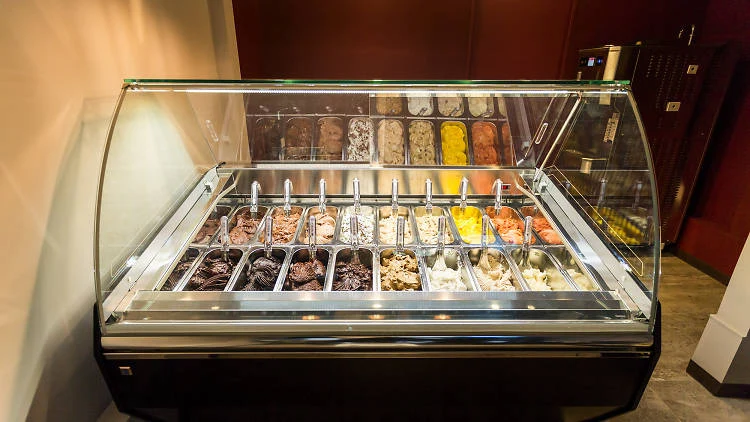
Ritual is simple: look at the case, decide by base, then narrow the choice. The Jiyugaoka shop keeps 15 flavours available at a time, which is enough to make a return visit useful without turning the counter into a catalogue. Chocolate sits at the centre, but the other families are not filler. The milk base uses Okuizumo Kisuki pasteurized milk for Kisuki Rich Milk, and the nut flavours draw on Sicilian pistachio paste and Piedmont hazelnut paste. The sorbets move in another direction, with sugar held back so fruit can do the work. Sicilian Lemon, Blood Orange, Cassis, Strawberry, Shonan Gold, and Wakayama amanatsu give the case a sharper, lighter line beside the cacao. It is a stop-by shop rather than a long sit, so the good move is to arrive with one chocolate order in mind and leave room for a second spoon of fruit. It took No. 80 on the Tabelog 100 in 2023.
Order dark first, then reset with fruit
Start with Cacao Extra Amaro if the point of the walk is chocolate. It gives the house style its clearest shape: high cacao, restrained sweetness, dense texture, and a finish that does not drag. Fondente Al Cioccolato is the next order when you want a dark chocolate profile with a little more roundness. If someone at the counter wants dairy rather than bitterness, Kisuki Rich Milk is the cleanest contrast, built on Okuizumo milk rather than chocolate depth. Sicilian Pistachio is the nut order, helped by a slight salt accent that keeps the paste from reading flat. For a two-flavour cup, pair Cacao Extra Amaro with Sicilian Lemon or Blood Orange. The citrus cuts through the cacao and makes the second half brighter. Seasonal news brings new gelato into the rotation, so the case is worth reading before settling on the usual.
Tags
Frequently asked questions
Which gelato should you order first at GELATERIA VITALI?
Cacao Extra Amaro, if chocolate is the reason you walked over. It shows the house style at its clearest: high cacao, restrained sweetness, dense texture and a finish that does not drag. Fondente Al Cioccolato is the next step down in bitterness, and Sicilian Lemon or Blood Orange makes the best second scoop, cutting through the cacao.
What else is on the counter besides chocolate?
Fifteen flavours at a time, drawn from three families. The milk base uses Okuizumo Kisuki pasteurized milk for Kisuki Rich Milk; the nut flavours are built on Sicilian pistachio paste and Piedmont hazelnut paste; and the sorbets hold sugar back so the fruit leads, with Sicilian Lemon, Blood Orange, Cassis, Strawberry, Shonan Gold and Wakayama amanatsu.
Compare nearby places
| Venue | Type | Area |
|---|---|---|
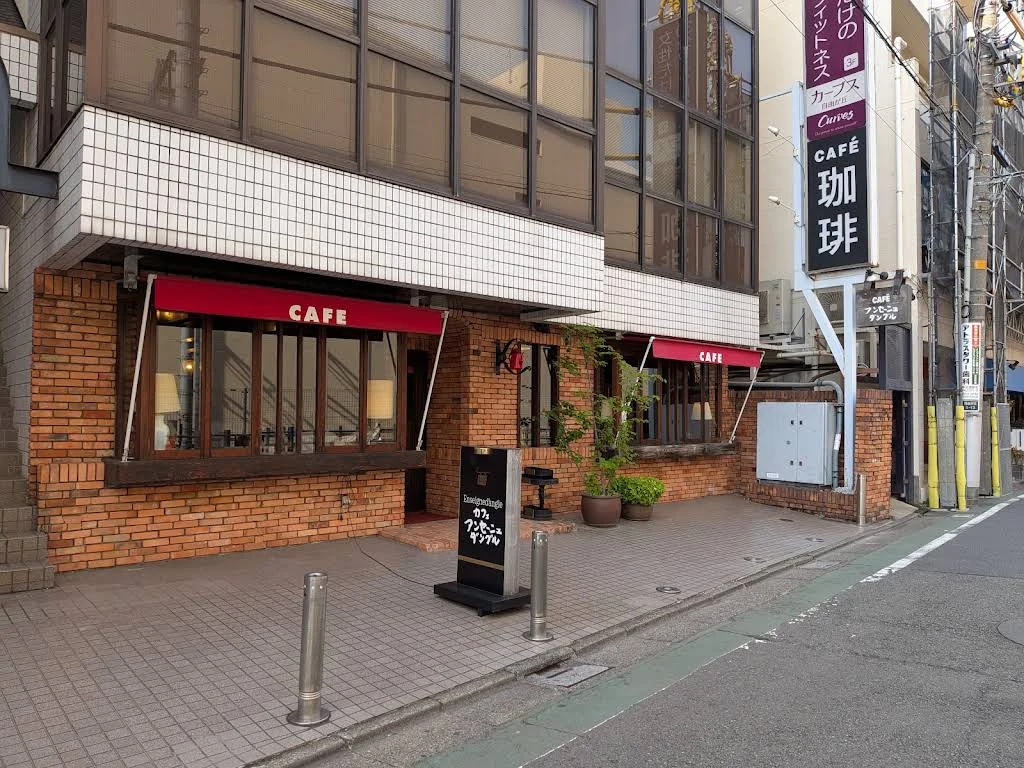
| Cafe Enseigne Dangle Jiyuugaoka ten | Café | Jiyugaoka |
| patisserie Paris S'eveille | Bakery | Jiyugaoka |
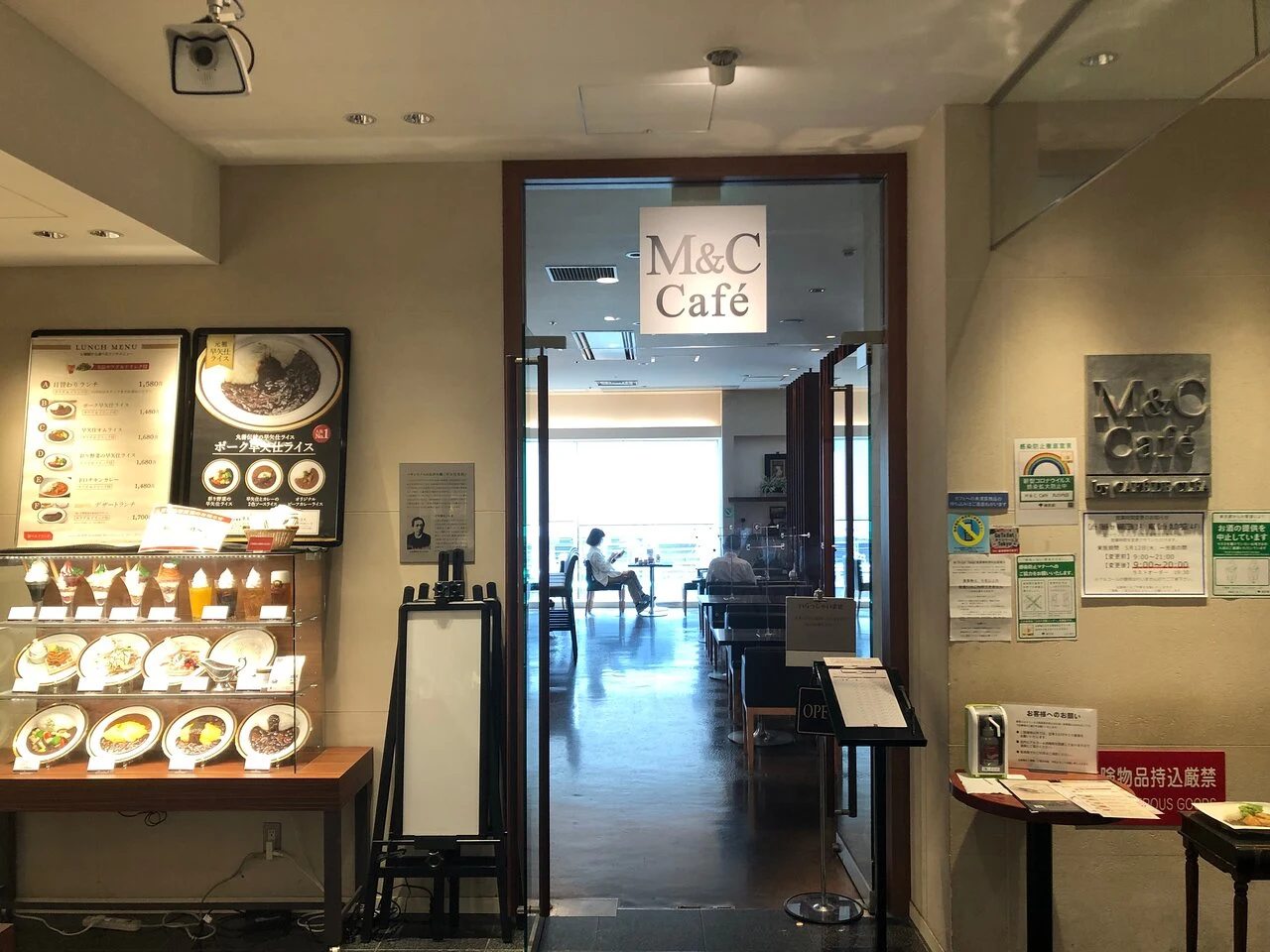
| M & C Cafe Marunouchi oazo | Café | Marunouchi |
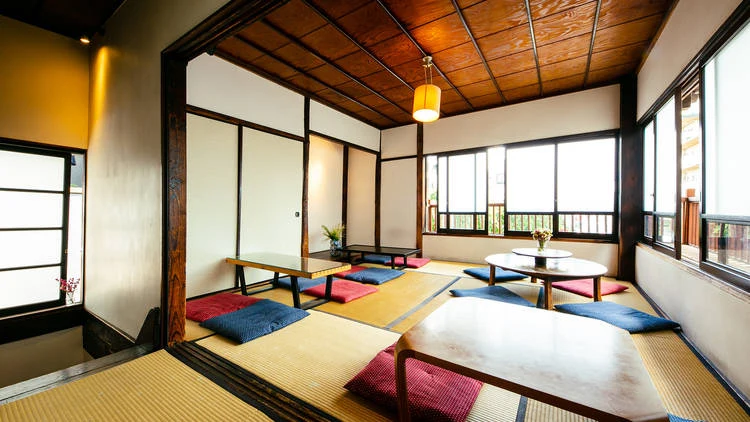
| Kayaba Coffee | Café | Yanaka |
| Okusawa Factory Coffee and Bakes | Café | Setagaya |