Why go
Nel drip, and beans sorted by hand before it
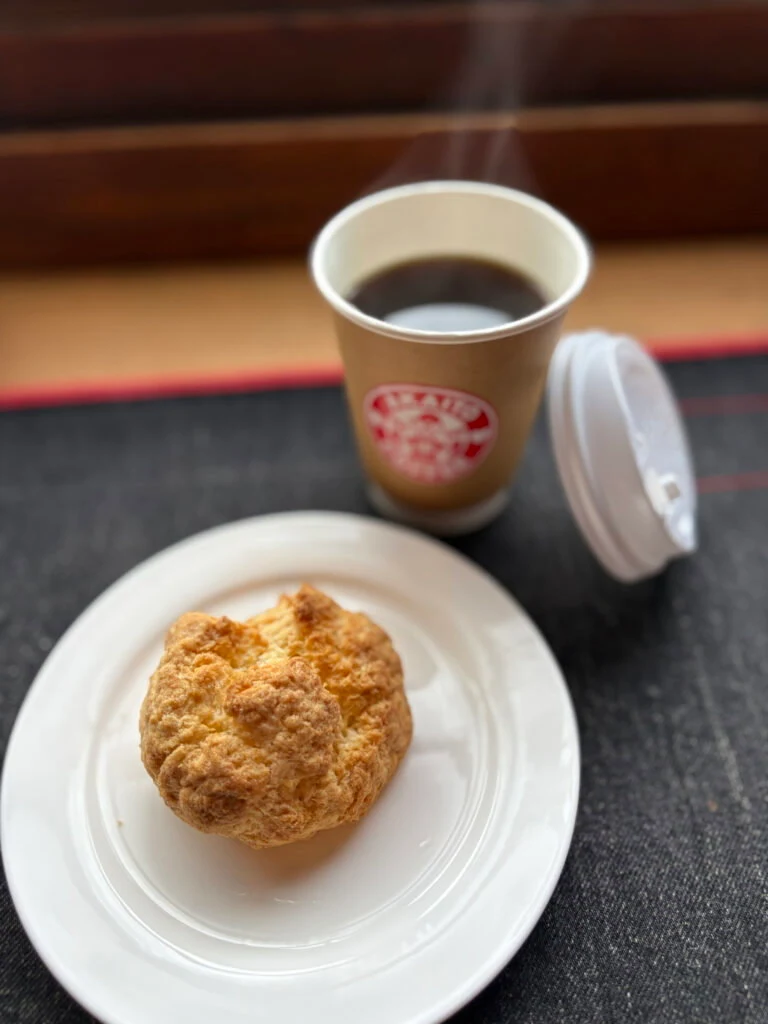
The cloth filter is the point. Kurashiki Coffee Kan has brewed by nel drip since 1971 and roasts everything it pours, and the house describes its own work in the plainest terms: choose the beans carefully, sort them one by one, keep the roasting technique, keep dripping through cloth. The signature order is simply the house coffee made that way, which is a different proposition from a generically brewed cup. Named beans include Soft Mix and Mandheling, along with Panama Aulomar Geisha, presented as a very scarce top grade finished on the shop's own roast. There is also a Four Seasons Blend series, the summer version built around a refreshing acidity for hot days. Tabelog 100 listed the shop at number 31 in 2022.
A room in the Bikan quarter where the wait is the point
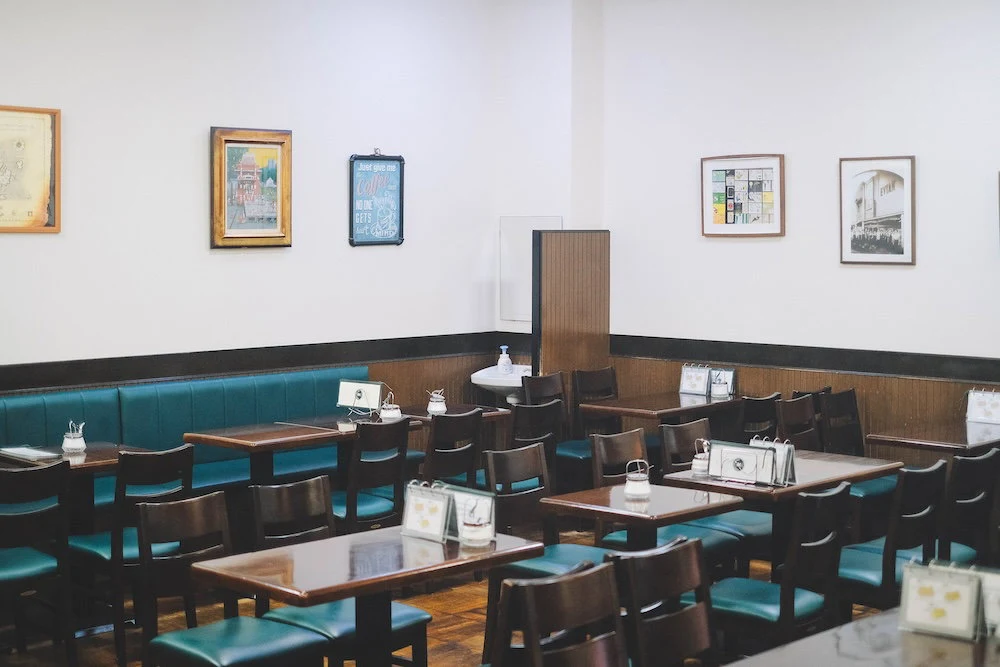
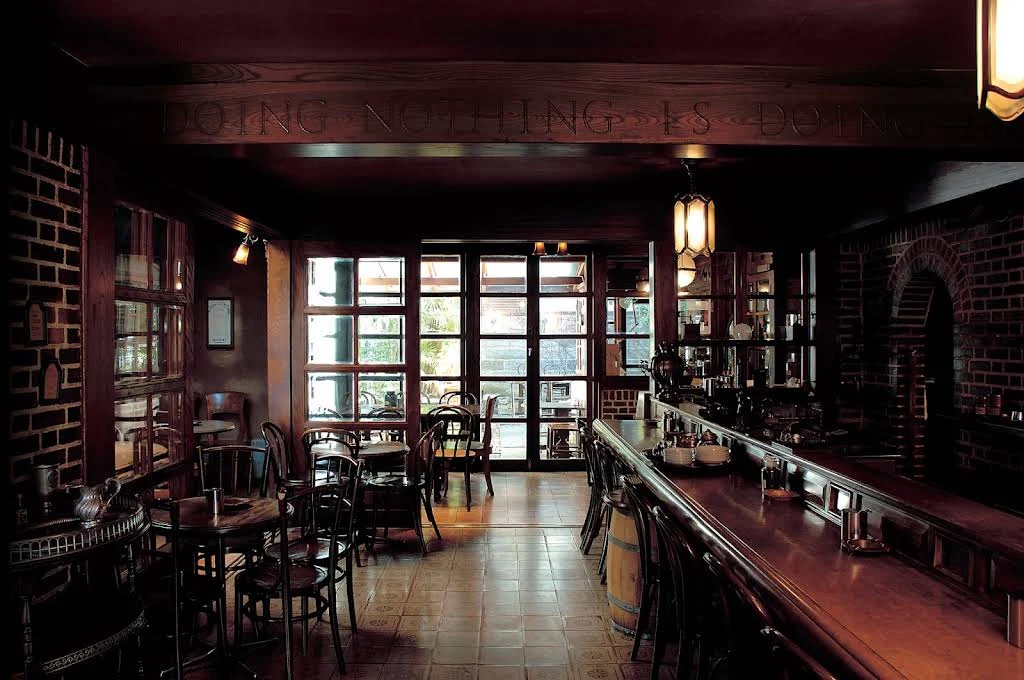
The setting does a lot of the work. The shop sits in the preserved Kurashiki Bikan district, so the white-walled streets frame the visit before the cup arrives, and the interior is presented as a place away from the bustle outside, as if time had stopped. That makes waiting feel intentional rather than slow. This is a traditional coffee house for sitting with the smell of roasting and a cup in front of you, not a venue built on turnover or a wide menu. The room is not large, so the sensible approach is to arrive expecting to stay a while.
Seasonal blend first, then coffee jelly
Start with the Four Seasons Blend for the clearest reading of how the house shifts flavour through the year, or go to Panama Aulomar Geisha when the draw is a rarer single origin. Mandheling gives another named direction and Soft Mix points to the everyday retail side. The sweet to add is the coffee jelly, treated as a small event in itself rather than a filler dessert, and in summer it has been served at weekends with a dry-ice presentation. To take something home, Kurashiki Coffee Tsuzuri is the original drip-pack gift set, seven packets in packaging printed with photographs of the Bikan district and the shop. The best order stays simple: coffee shaped by house roasting and nel drip, then the jelly if you want that flavour carried into dessert.
Tags
Frequently asked questions
What is Kurashiki Coffee Kan known for?
Nel drip coffee from beans it roasts itself, in a traditional kissaten that has worked the same way since 1971. The house selects and hand-sorts the beans, keeps its roasting technique, and extracts through a cloth filter. Named coffees include Soft Mix, Mandheling, Panama Aulomar Geisha and a Four Seasons Blend series.
What can you take home from Kurashiki Coffee Kan?
Kurashiki Coffee Tsuzuri, the shop's original drip-pack gift set, holds seven packets in packaging printed with photographs of the Bikan district and the shop itself. Beans from the house roast are sold as well, Soft Mix and Mandheling among them, so the coffee served at the table can be brewed at home.
Compare nearby places
| Venue | Type | Area |
|---|---|---|
| Akaito Coffee | Café | Miyanoura |
| Bakery Lamp | Bakery | Honmachi (near Himeji Castle) |
| patisserie mont plus Honten | Bakery | Chuo-ku |
| Evian Coffee | Café | Motomachi |
| Akaneya Coffee Ten | Café | Sannomiya |