Why go
Bread and burgers off the same short menu
Two programmes run side by side at Bakery Lamp: a bakery case of bagels and baguettes, and a griddle turning out gourmet hamburgers. The only real decision at the door is which one you came for. Plain and blueberry bagels hold the bakery side, baguettes give the shelf a classic bread-shop line, and the burgers make this more than a cafe with one sandwich on the board.
The burger list stays open beyond a standard bun. Lettuce-wrapped falafel and avocado versions are among the signature builds, keeping the filling at the centre while dropping the bread entirely. Bread is still the base of the place, but it is not the only way to eat here, and that is unusual enough to be the point.
Counter seats down a back alley
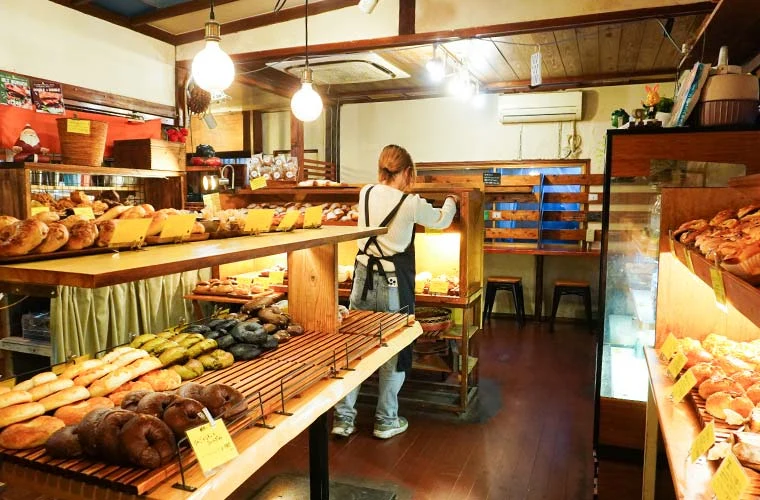
The room is small and casual, a warm cafe-bakery with counter seats rather than anything resembling a dining room. The entrance sits slightly off a back alley in central Himeji, which gives the shop a local, in-the-know character without making it difficult to use.
That compactness is part of the appeal. The visit stays direct: look at the bakery side, or make the burger the point. It works well when one person wants a baguette and the other wants a burger, which is rarer than it sounds in a bakery cafe. Residents and visitors use it the same way, and neither group is treated as the main audience.
Start with the burger, then look to the bread
Order a gourmet hamburger if the visit is built around the savoury side. It is the item that explains why the shop is listed as bakery cafe and burger shop rather than a bread stop with a few seats.
If bread is the reason, the plain bagel is the cleanest read on the bakery side, and the blueberry adds sweetness without moving far from it. The baguette is the practical second move when the point is a loaf to take away. For a lighter savoury direction, take the lettuce-wrapped falafel or avocado burger, which keeps the structure while losing the bun. Decide first whether this is a bread visit or a burger visit; the order sharpens considerably once it has a purpose. The shop is small enough that whatever is on the counter is effectively the whole selection, which makes the choice quicker than the menu suggests.
Frequently asked questions
What should I order at Bakery Lamp?
Start with a gourmet hamburger if the savoury side is the point, since it is the item that explains why the shop is both bakery cafe and burger shop. For bread, the plain bagel is the cleanest read, with the blueberry bagel and the baguette as the next moves. The lettuce-wrapped falafel or avocado burger is the lighter option.
What is the room like at Bakery Lamp?
It is small and casual, with counter seats and a warm cafe-bakery feel rather than a dining room. The entrance sits slightly off a back alley in central Himeji, which gives it a local character. The compact space suits a quick bagel or a burger eaten at the counter, and it draws residents and visitors alike.
Compare nearby places
| Venue | Type | Area |
|---|---|---|
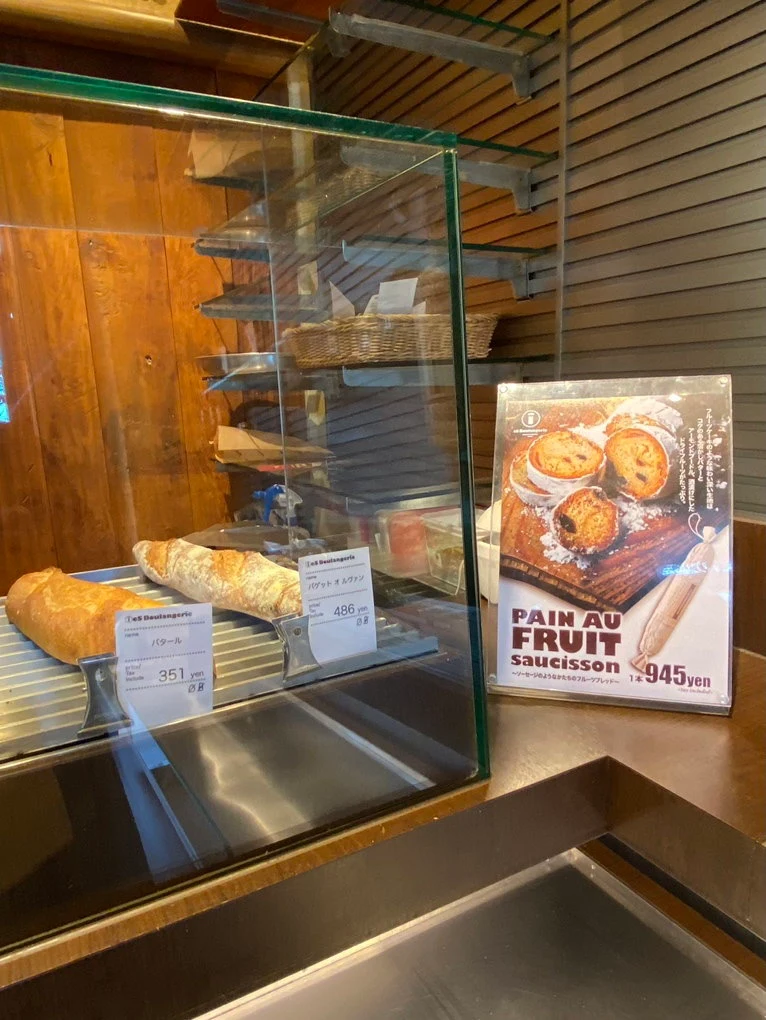
| eS Boulangerie | Bakery | Yurinokidai |
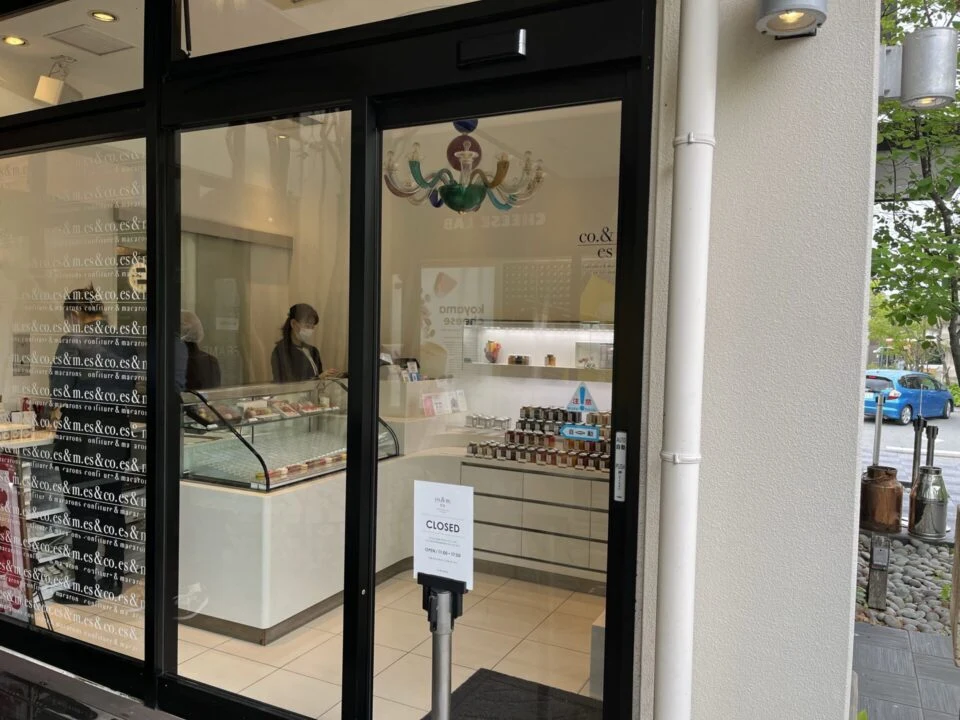
| Pâtissier Es Koyama | Bakery | / Sanda Woody Town area |
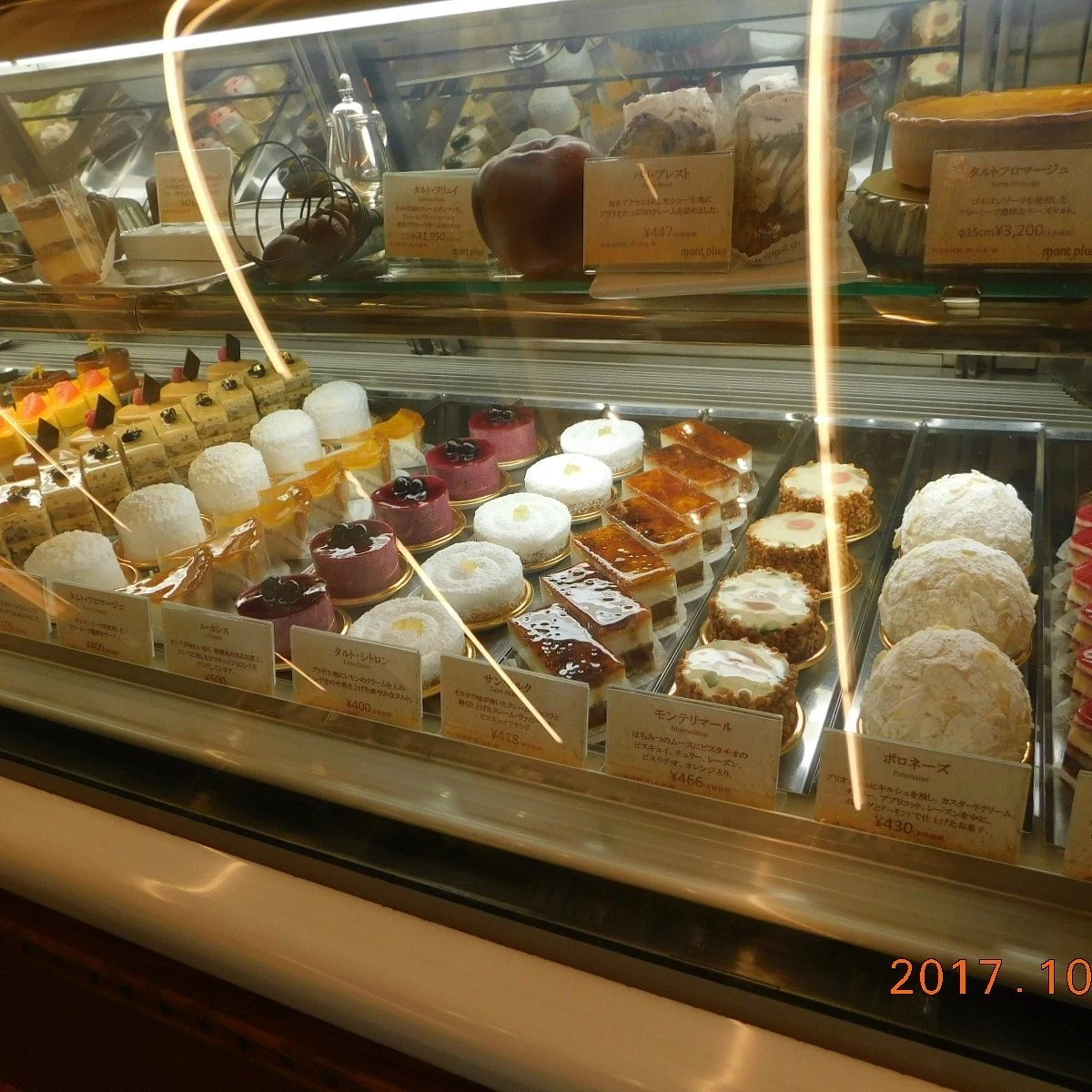
| patisserie mont plus Honten | Bakery | Chuo-ku |
| Evian Coffee | Café | Motomachi |
| Akaneya Coffee Ten | Café | Sannomiya |