Why go
Bread as its own department at eS Koyama
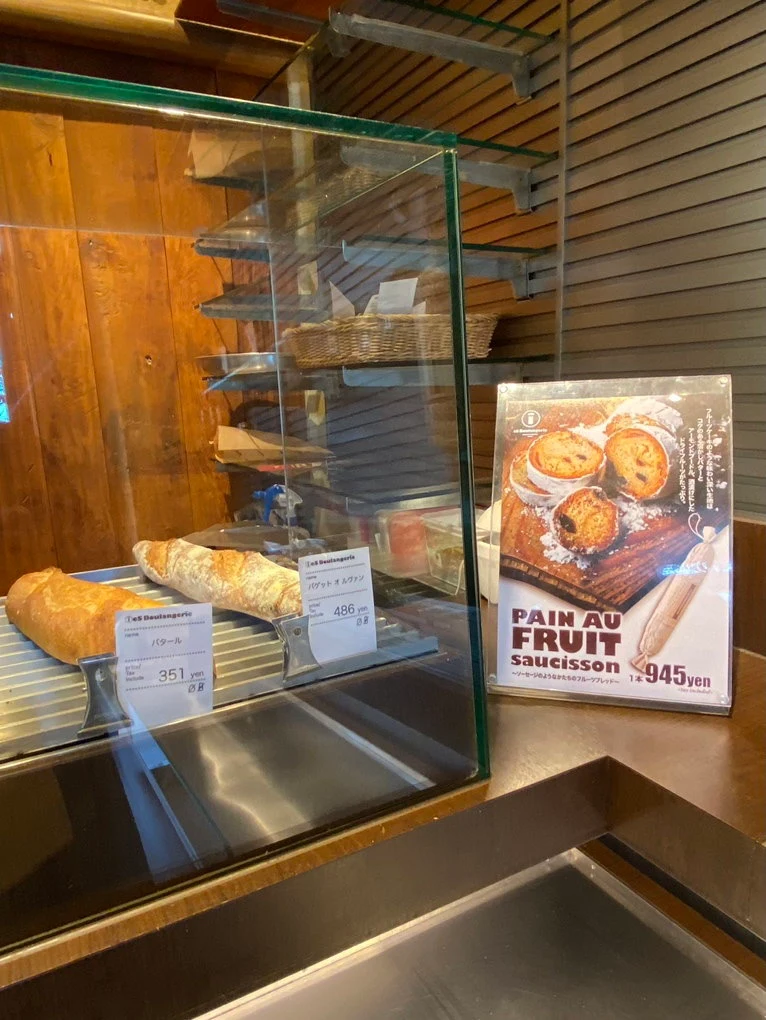
The bread counter here is a department in its own right, not a shelf of loaves parked beside the cakes. eS Boulangerie is the bread specialty shop inside the PATISSIER eS KOYAMA complex in Sanda, and the property lists it as a separate unit alongside the main shop, the gift salon, ROZILLA, co.&m.es., FANTASY DIRECTOR and hanare. The name it carries on that list, パン専門店, translates as bread specialty store, and the plainness of the label is accurate.
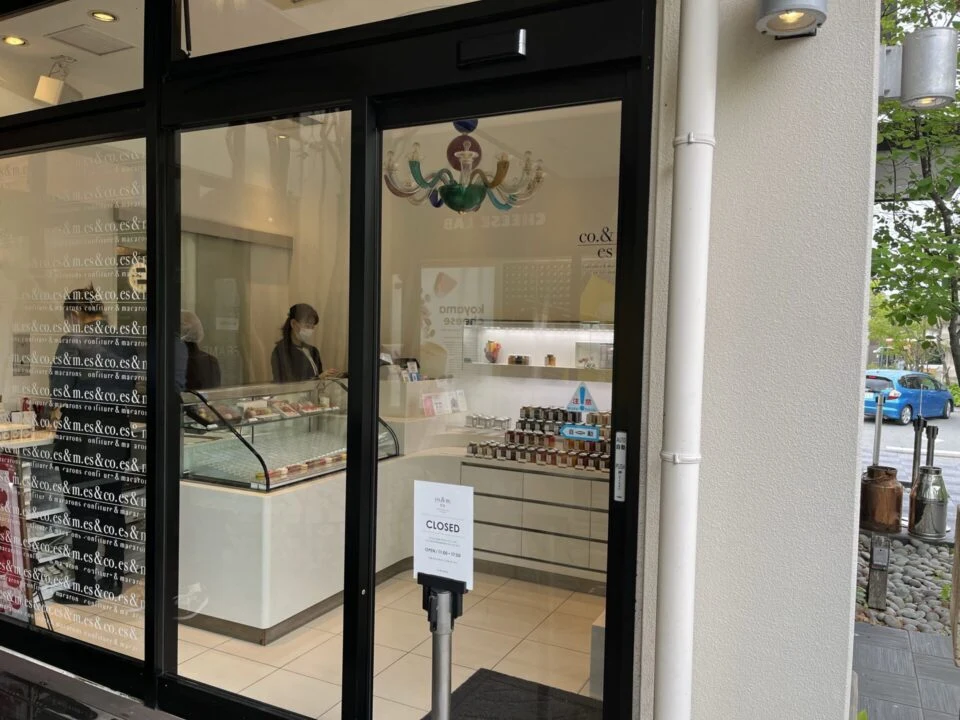
That structure is the whole point. The complex divides itself into distinct product worlds, with patisserie, chocolate, confiture and macarons, decoration cakes, gifts and bread each given a defined role and a space of its own. Approaching eS Boulangerie means approaching a baker’s counter held to the same standards as the pastry side without being folded into it, which is rarer than it sounds in a building this sweet.
How the visit reads
A stop here sits inside a larger circuit through the property rather than a quick errand at a neighbourhood bakery. Most guests arrive intending to see several of the concepts in one pass, and the bread shop works as the savoury anchor on that route, a stop between the sweets, the chocolate and the gift counters.
The scale is retail rather than restaurant. Bread is chosen, bagged and carried, so the visit is short and the deciding happens at the case. Read it as a daytime destination on the edge of Sanda that people plan around, not somewhere to settle in for a long meal. The setting does the rest of the work: a curated confectionery and bakery environment where each counter is measured against the ones on either side of it.
How to choose at the case
The house does not advertise one signature loaf, so choose by category rather than arriving with a list. The useful frame is the one the property itself uses: this is the bread stop, the counterpart to the patisserie, chocolate, macaron and decoration-cake counters that surround it, and it is stocked to stand on its own against them.
For a first visit, treat bread as the reason to come and the sweets as the company. Take what is on the shelves when you arrive, then carry it through the rest of the eS Koyama site, which is built for exactly that kind of grazing between specialist counters. Build expectations around specialisation and a daytime retail rhythm rather than around a single advertised product, and the shop makes more sense than a list of names ever would.
Frequently asked questions
What should I expect at eS Boulangerie?
Expect a bread specialty counter rather than a full patisserie. eS Boulangerie is the bread department of the PATISSIER eS KOYAMA complex in Sanda, sitting alongside the main shop, the gift salon and the other concept spaces. Choose from what is on the shelves at the case, since the house does not push a single signature loaf.
Compare nearby places
| Venue | Type | Area |
|---|---|---|
| Pâtissier Es Koyama | Bakery | / Sanda Woody Town area |
| arima gelateria Stagione | Café | Arima Onsen |
| Boulangerie Miyanaga | Bakery | Shukugawa |
| patisserie plein | Bakery | .芦屋市茶屋之町 (Chayanocho, Ashiya) |
| Cafe FREUNDLIEB Honten | Bakery | Chuo Ward (Ikutacho) |