Higashi-ku / Higashisakura

Kato Coffee Ten

CafeSpecialty Coffee Shop4.4 on GoogleAbout $7 a head
Kato Coffee Ten

Why go

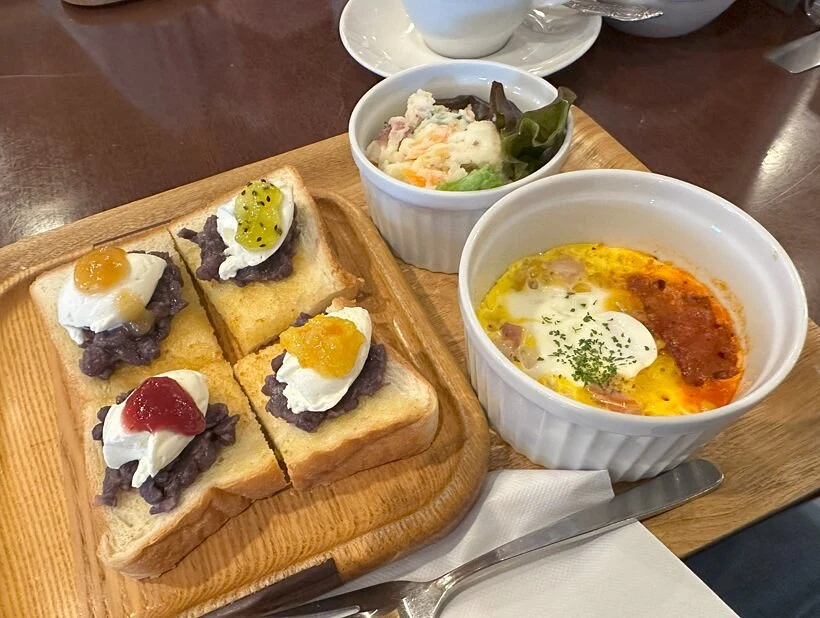
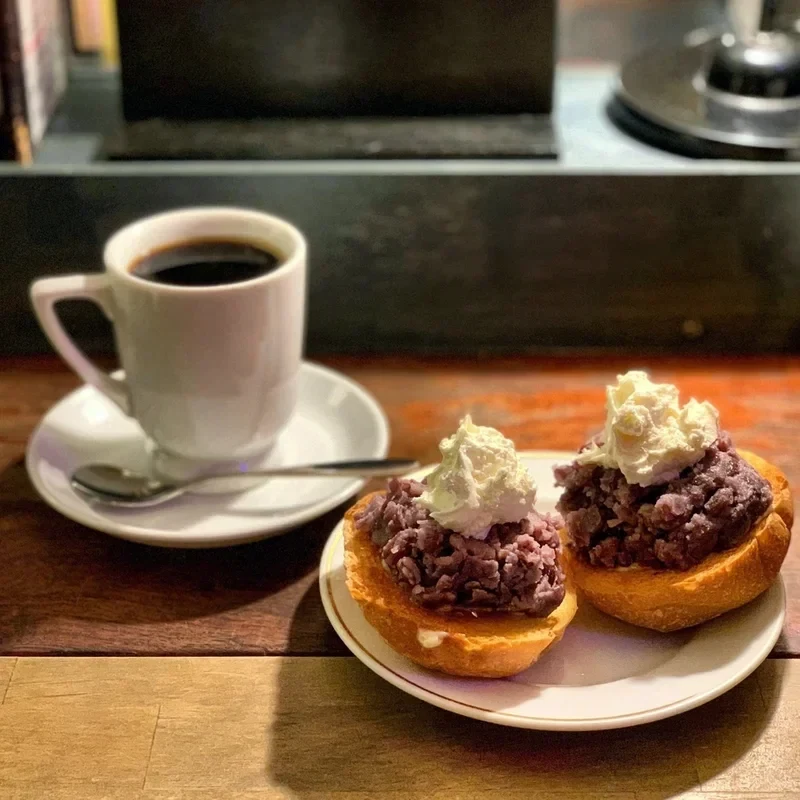
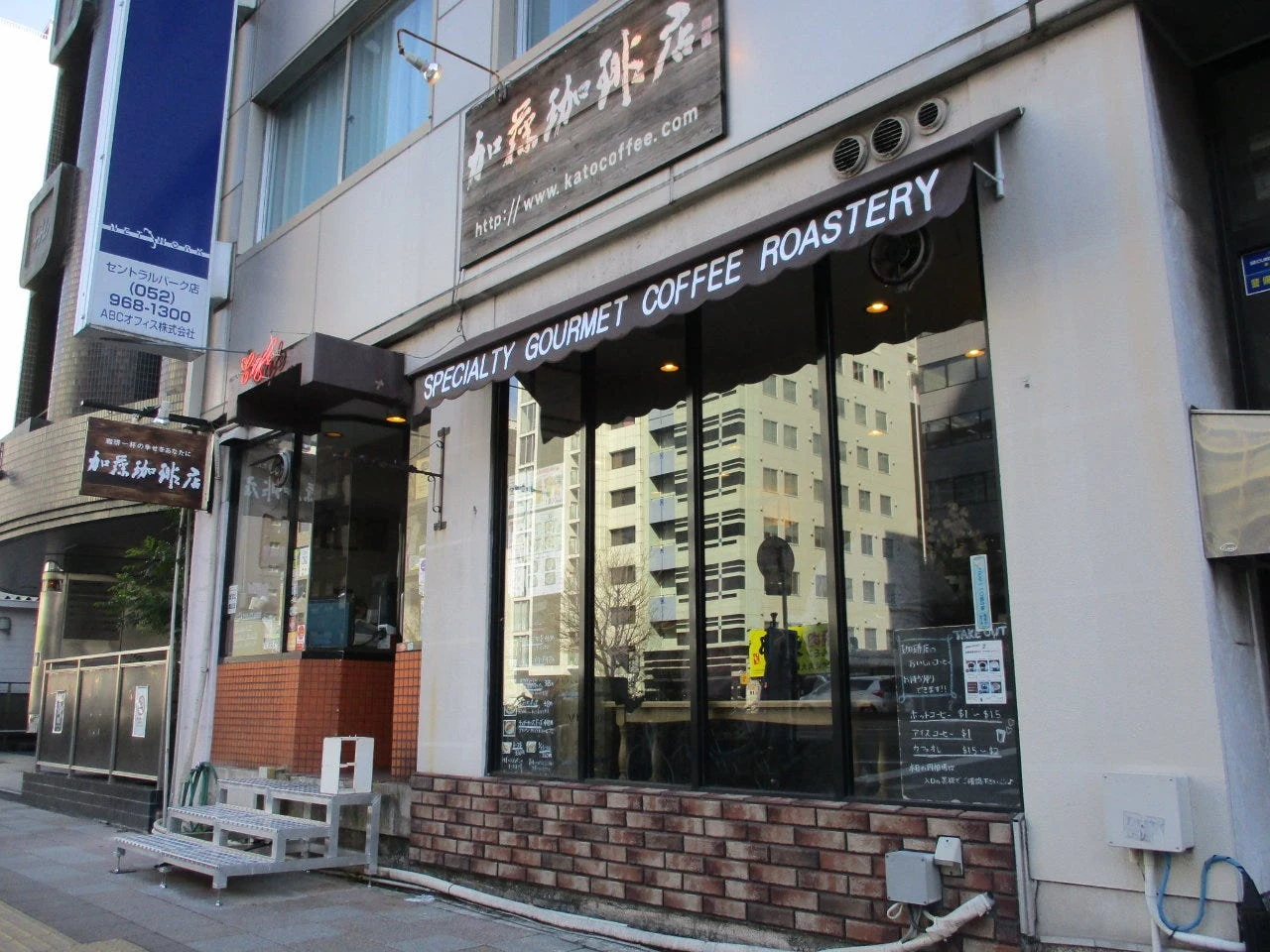
Approaching a Nagoya kissaten is not the same proposition as entering a contemporary café. The language is older and more compact: a modest frontage, morning traffic, regulars reading the room quickly, and a counter that tells the visitor this is a working coffee shop rather than a lifestyle set. Kato Coffee Ten sits in that tradition, where the first meal of the day matters, coffee is the anchor, and hospitality is measured in efficiency rather than theatre.

Nagoya’s coffee-shop culture has its own grammar. The city is closely associated with morning service, the breakfast-adjacent ritual that turns a cup of coffee into a light meal and gives the kissaten a civic role beyond caffeine. This is not specialty coffee culture in the international, competition-barista sense, nor is it hotel-lobby leisure. It is urban routine: early hours, small footprints, solo customers, families, and friends using the room without ceremony.

A Nagoya kissaten in the national coffee-shop conversation

The useful way to read Kato Coffee Ten is through category, not luxury. In Nagoya, serious dining can mean sharply priced counter formats, from yakitori rooms such as Yakitori Shige Higashizakura and Yakitori Sensho to Italian and tasting-menu addresses including Lito, Cucina Italiana Selvaggio, and Ono Michi. A kissaten operates on different terms. Its authority comes from continuity, morning utility, and local repetition rather than course count or cellar depth.

That makes the Tabelog Kissaten 100 selections in 2021 and 2022 meaningful. The recognition places the shop inside a curated national field of Japanese coffee houses, a category with its own expectations around breakfast service, compact rooms, and a customer base that may include commuters, neighborhood regulars, and travelers tracing local food habits. The Tabelog score of 3.69 also matters in context: for everyday Japanese venues, especially small shops outside the high-ticket restaurant economy, that is a material signal of sustained approval.

The room’s scale reinforces the point. With 14 seats and counter seating, the experience belongs to the low-capacity end of Nagoya’s food culture, but not in the omakase sense. The intimacy is practical. Small kissaten rooms turn service into choreography: orders move quickly, seats turn with the morning rhythm, and the format rewards visitors who understand that lingering for hours may not match the room’s purpose during breakfast demand.

Morning culture over destination dining

The distinction matters for travelers building a Nagoya itinerary. Kato Coffee Ten is not competing with a long dinner at Ono Michi or a higher-spend Italian meal at Lito. It belongs earlier in the day, in the space between hotel breakfast and a full restaurant plan. For visitors using the city as a base for food, the value is cultural calibration: one compact stop explains why Nagoya’s kissaten are not simply cafés with older furniture, but part of the city’s daily meal structure.

Presence of breakfast service, take-out, children-welcome policy, and solo-dining suitability gives the shop a broad local function. That matters in Japan, where many acclaimed food venues narrow the audience by format, price, language, reservation rules, or seating style. Here the appeal is less exclusive. The discipline is in repetition: a small room, an early schedule, and a category that treats coffee as a meal-time hinge.

Travelers comparing Nagoya’s dining tiers should keep the categories separate. The city can absorb a morning kissaten, a mid-range lunch, and a serious dinner without duplication because each serves a different civic purpose. The coffee shop offers a reading of neighborhood life; the counter restaurant offers craft concentration; the hotel bar or wine stop offers the evening register. For broader planning, see Our full Nagoya restaurants guide, Our full Nagoya hotels guide, Our full Nagoya bars guide, Our full Nagoya wineries guide, and Our full Nagoya experiences guide.

How to place it in a Japan food itinerary

The strongest use case is a morning or early-day stop for travelers who care about everyday food systems as much as booked dining rooms. Hisaya Odori gives it central-city relevance, and the small seating count argues for a flexible approach rather than a rigid schedule. In a city where premium meals can quickly move into five-figure yen territory, the kissaten format preserves a different kind of access: low spend, high local signal, and a dining rhythm that belongs to residents first.

That resident-first quality is why Japanese coffee shops remain useful to serious travelers. They reveal what restaurant awards often miss: how a city starts its day, how older formats survive beside new openings, and how modest rooms can carry cultural weight without announcing it. Kato Coffee Ten’s recognition in the Kissaten 100 category gives the shop a useful credential, but the broader lesson is Nagoya’s: coffee culture here is not only about the cup, it is about breakfast, routine, and the social architecture of a small room.

Readers mapping a wider Japan route can compare Nagoya’s kissaten rhythm with other casual and specialist formats across the country and abroad: 1022, 451, Aaron, Alan., All Day Dining Montmartre, -Grilled beef Sukiyaki- KAMAKURA TANUKIAN 鎌倉 たぬき庵 in Kamakura,. 鮪と炭火焼き うお炭 秋葉原店 in Tokyo,.cafe in Osaka,.know in Kumamoto, (Shoku) Vietnam in Kawasaki, [Curry Senmon Ten] Maruyama Kyoju. in Sapporo, Jōdo Saké Bar in Los Angeles, and Onigiri Time in Pasadena.

Tags

ClassicCozyQuietHidden GemIntimateSoloCasual HangoutAfter WorkFamilyStandaloneHistoric Building