Meieki (Nagoya Station area)

coffee house KAKO Hanaguruma honten

CafeSpecialty Coffee ShopAbout $13 a head
coffee house KAKO Hanaguruma honten

Why go

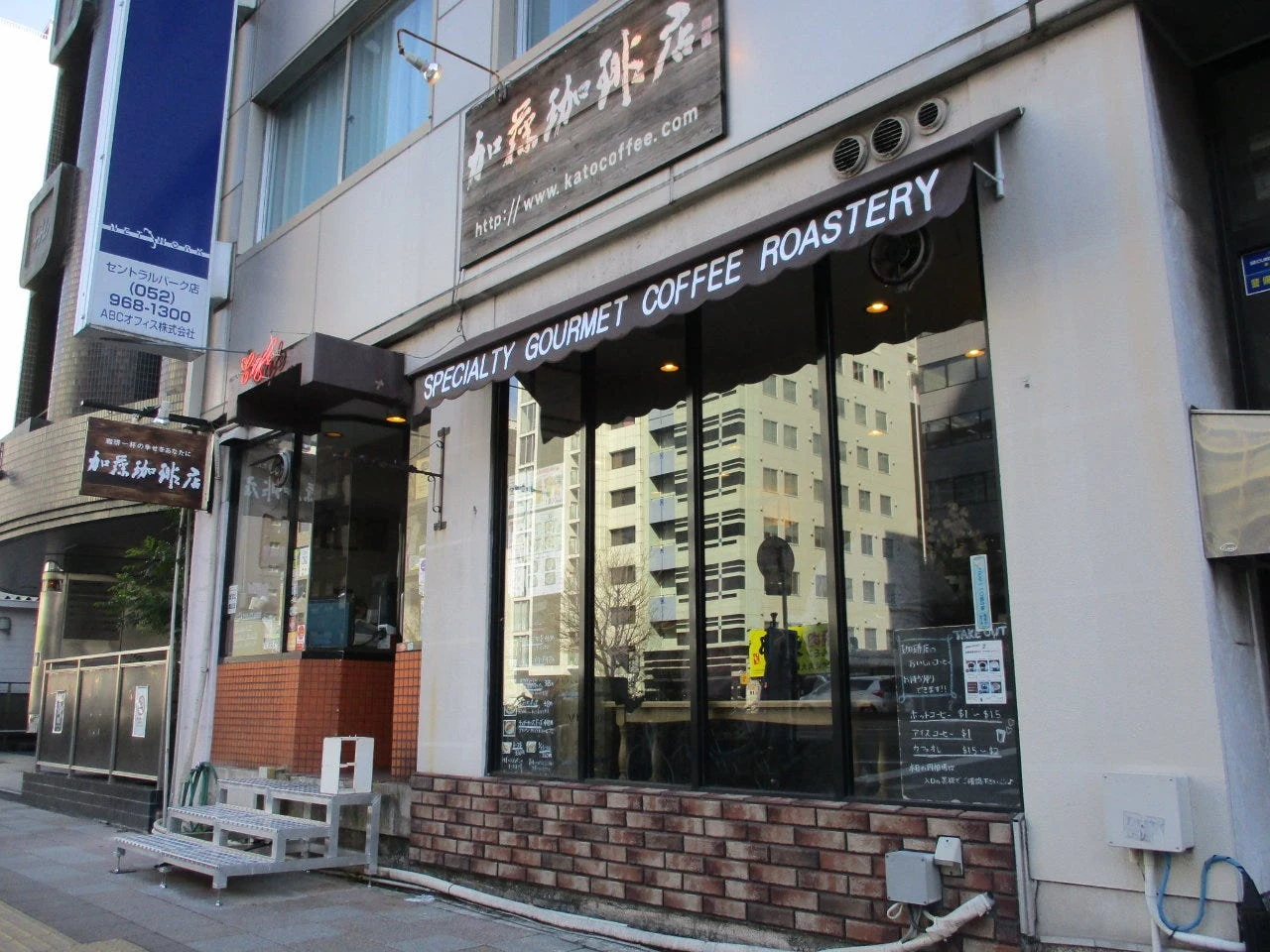
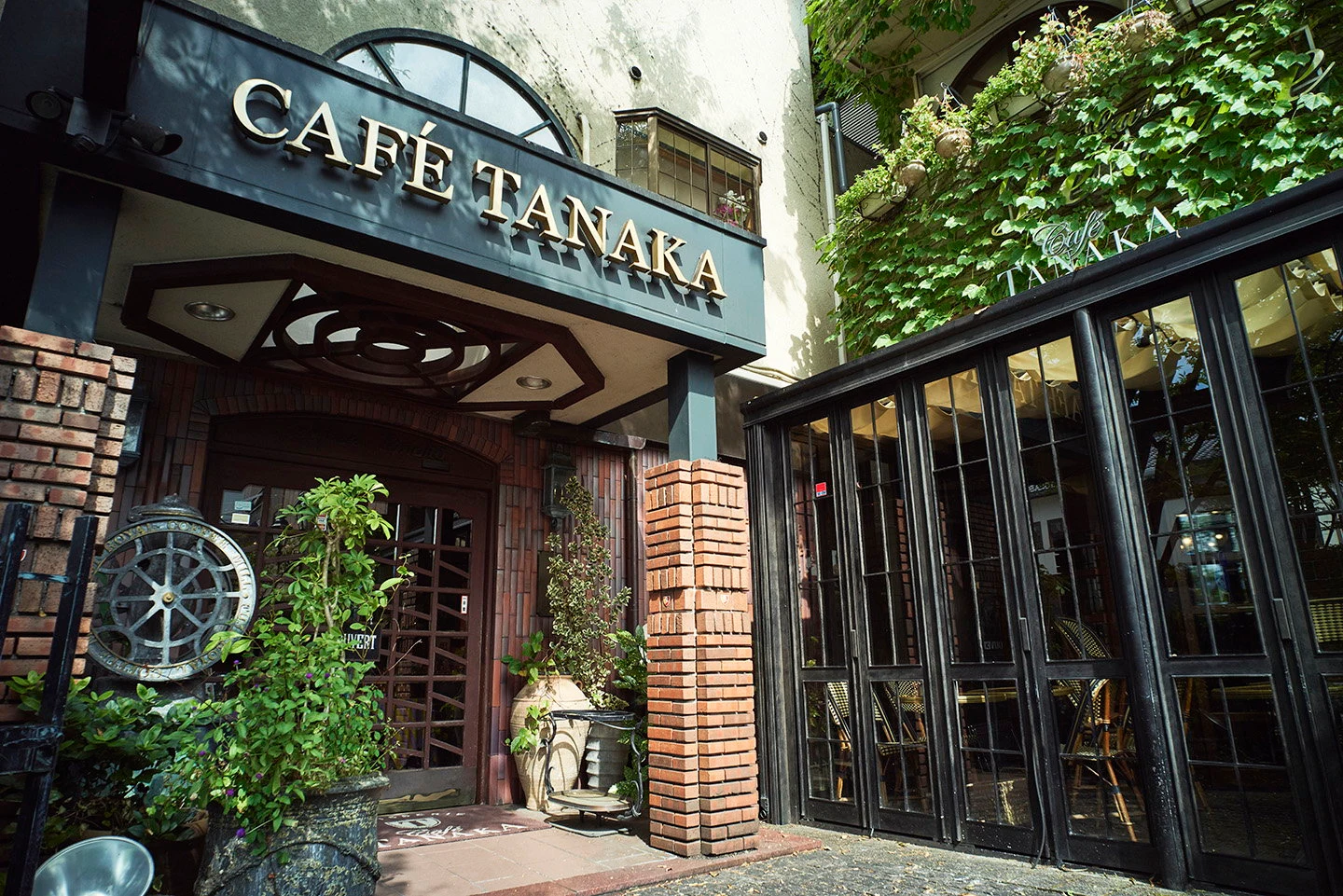
Approaching a Nagoya kissaten near Meieki is unlike entering a third-wave coffee bar. The rhythm is slower, the room smaller, and the point less origin-note performance than ritual: morning coffee, toast, counter service, regulars, and repetition. coffee house KAKO Hanaguruma honten fits that Nagoya grammar, with 18 seats split between counter and tables and a format rooted in the city’s older coffee-shop culture rather than its restaurant economy.

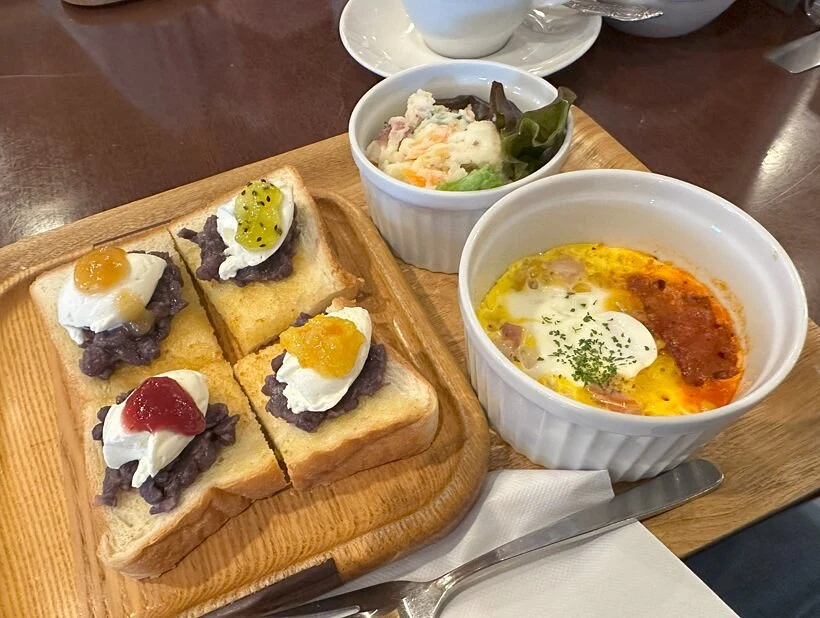
Nagoya has long treated breakfast as a civic habit. Its morning-service tradition, often built around coffee and toast, gives the kissaten a role closer to neighbourhood infrastructure than destination dining. In Tokyo or Osaka, coffee culture is often discussed through roasters, design, or pastry programs; in Nagoya, the conversation still starts with the morning crowd and the slower manners of the Japanese coffee house.

Nagoya kissaten culture, judged by the cup and the morning ritual

The better Nagoya coffee shops do not need restaurant theatrics. Their discipline is repetition: a short beverage vocabulary, breakfast service, restrained seating, and a room that absorbs solo customers as easily as friends or families. This is where coffee house KAKO Hanaguruma honten earns its place. It was selected for Tabelog’s Kissaten 100 in both 2021 and 2022, a useful signal in a category where national visitors often struggle to separate nostalgic charm from sustained local credibility.

The award category matters because kissaten are not cafés in the contemporary lifestyle sense. A kissa is a Japanese coffee shop, usually more inward-looking than photogenic, with its own rules of pacing and service. In Nagoya, the comparison is less with high-spend restaurants such as Tachigui Sushi Kiwami Meieki 4 chome ten or Chuka Kappo Warajin, and more with low-price daily-use rooms such as KAKO Yanagibashi ten, Joshin Ya, and Chuka Soba Taiga. In that tier, small differences count: counter seats, breakfast availability, non-smoking policy, and the ability to function as a morning stop before the day begins.

Drinks angle is not a literal wine-list story, but the same critical lens applies. Serious beverage curation does not always announce itself through breadth. At a kissaten, the questions are whether the house has a clear point of view, treats coffee as the anchor rather than an accessory, and lets the food offering support that role. KAKO’s inclusion in a dedicated kissaten award list places it inside a narrower beverage-led category than Nagoya’s general dining scene, where ramen, sushi, kappo, and hotel restaurants compete on different terms.

A compact room in Meieki's daily dining circuit

Meieki is one of Nagoya’s great practical districts: rail connections, offices, shopping, business hotels, and quick meals stitched around the station. That setting gives the kissaten a different function from a destination restaurant in Sakae or a long-form counter meal elsewhere in the city. The value is not ceremony; it is access to a local habit within the city’s busiest transit-and-commerce zone.

The compact scale matters. An 18-seat room, including 10 counter seats and 8 table seats, changes the social texture. Counter seating suits the solo morning customer and the short stop; tables make room for pairs or families without turning the format into a full café-lunch operation. Take-out is available, but the essential idea remains seated coffee-shop culture, not commuter coffee as a disposable object.

The non-smoking policy adds quiet practicality. Older kissaten in Japan have often been associated with tobacco, and for international visitors that can define the experience as sharply as the coffee. A non-smoking setup makes this address easier to recommend within Nagoya’s classic coffee-shop field, especially for travellers who want the kissaten idiom without every Showa-era habit.

Price keeps the decision low-friction. The listed average sits at JPY 1,000 to JPY 1,999, above the cheapest daily coffee stops but far below Nagoya’s serious dinner counters. That middle ground suits the category: enough spend to make the stop intentional, not enough to compete with the city’s tasting-menu or kappo economy.

How to place it within a Nagoya itinerary

The strongest use case is morning or early-day Nagoya, especially for travellers based around the station area. The city rewards this planning: coffee first, then Toyota industrial history, Osu’s shopping arcades, Sakae’s department stores, or a later reservation in another dining register. For a broader read on where this address sits, see Our full Nagoya restaurants guide, then cross-check nearby drinking and lodging context through Our full Nagoya bars guide and Our full Nagoya hotels guide.

Travellers building a food-focused Japan route can also treat Nagoya’s kissaten culture as a counterweight to higher-intensity meals elsewhere. A morning coffee shop sits in a different register from -Grilled beef Sukiyaki- KAMAKURA TANUKIAN 鎌倉 たぬき庵 in Kamakura, . 鮪と炭火焼き うお炭 秋葉原店 in Tokyo, .cafe in Osaka, .know in Kumamoto, (Shoku) Vietnam in Kawasaki, and [Curry Senmon Ten] Maruyama Kyoju. in Sapporo. The contrast is useful: Japan’s dining culture is not only precision counters and regional specialities, but also everyday rooms with strong local codes.

Within Nagoya, the surrounding restaurant field runs wide. Readers comparing styles can look at 1022, 451, Aaron, Alan., and All Day Dining Montmartre as part of a broader city map rather than direct substitutes. For non-restaurant planning, Our full Nagoya wineries guide and Our full Nagoya experiences guide round out the trip, while overseas Japanese-adjacent references such as Jōdo Saké Bar in Los Angeles and Onigiri Time in Pasadena show how differently Japanese formats translate outside Japan.

The editorial case is clear: choose this address for a compact, recognised expression of Nagoya kissaten culture, not spectacle or chef-driven narrative. The award history gives it external validation; the small room and breakfast availability make it useful; the category itself explains why a coffee stop can be as revealing as a formal meal.

Tags

ClassicCozyHidden GemIconicQuietSoloFamilyCasual HangoutAfter WorkBrunchHistoric BuildingStandaloneDesign Destination