Why go
Deep roast, and the Nagoya breakfast habit
BUCYO COFFEE, or 名古屋ブチョーコーヒー, is a Nagoya kissaten built around 深煎り焙煎珈琲, deep-roasted coffee. That places the drink at the centre of the business rather than treating it as something to wash down the food. The roast style is the local one: dark, bitter-edged, made to stand up to milk and to sweet things beside it.
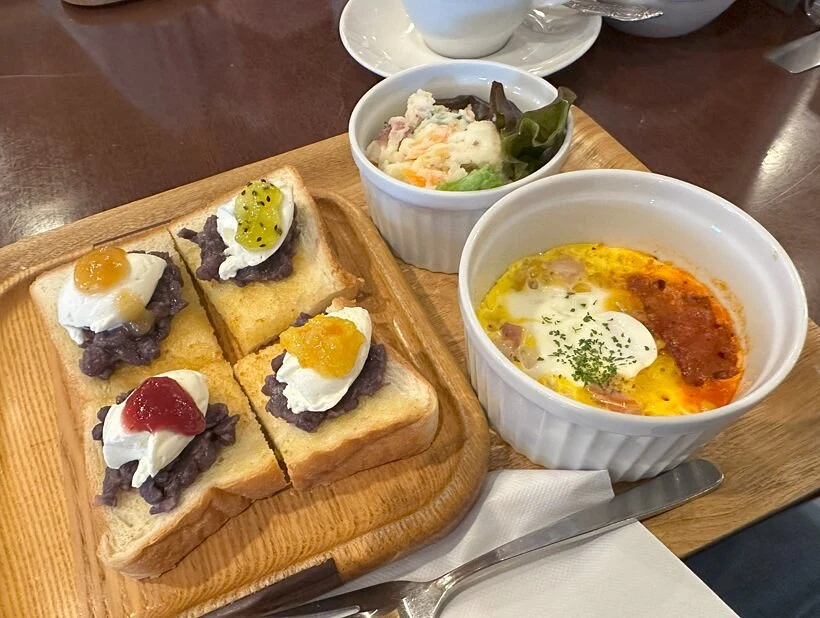
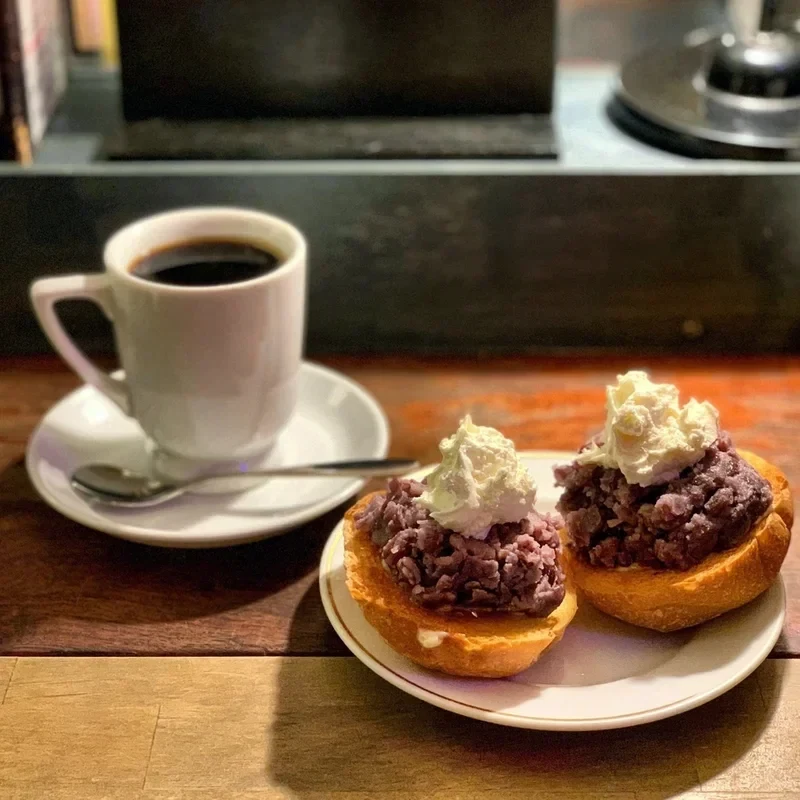
The other half of the identity is 名古屋めし, the food culture of the city, and specifically the morning habit of eating bread with a sweet spread beside a cup of coffee. Two house spreads carry that. 小倉あん is the sweet red bean paste that defines the Nagoya breakfast, and きなこバター(煎り大豆クランチ入り) is a newer kinako butter made with roasted soybean crunch through it. Both are made to be eaten often rather than treated as a novelty.
The room belongs to the morning
This is a daytime kissaten shaped by breakfast, coffee and take-home products rather than a formal dining room with a chef-led structure. The interior is warm and a little nostalgic, with counter and table seating and cartoon-filled decor, which is very much the kissaten tradition rather than a modern specialty bar look.
Its position near Nagoya station puts it in reach of anyone starting the day with a train, which suits the format: an early cup, bread and a spread, and out. The spreads themselves have become a second business. The kinako butter in particular has grown popular enough that guests who try it at the table regularly buy a jar on the way out, so the visit moves naturally from breakfast to a bag of souvenirs.
Order the ogura, then the kinako butter
Begin with 小倉あん if you want the most direct expression of the Nagoya identity here. The sweet red bean sits naturally beside bread and a dark cup, and the house keeps the sweetness low enough that the bean flavour stays legible rather than turning into sugar. The point is not indulgence but repetition, something built for ordinary mornings.
Then take きなこバター(煎り大豆クランチ入り) as the second house signature, where roasted soybean gives the spread texture and a nuttier, drier sweetness than the red bean. Keep the coffee order central through both, because 深煎り焙煎珈琲 is the anchor the whole breakfast is arranged around, and the deep roast is what makes the sweet spreads work rather than cloy. If a jar comes home with you, that is the intended ending.
Tags
Frequently asked questions
What should I order at BUCYO COFFEE?
Deep-roasted coffee, 深煎り焙煎珈琲, with bread and one of the two house spreads. 小倉あん, the sweet red bean paste, is the most direct expression of the Nagoya breakfast habit, while きなこバター adds roasted soybean crunch for a nuttier, drier sweetness. Both spreads are also sold in jars to take home.
What kind of coffee does BUCYO COFFEE serve?
Deep-roasted coffee in the local style, dark and bitter-edged, which is what the whole breakfast is arranged around. That roast is strong enough to hold its own beside sweet red bean or kinako butter on bread, which is the pairing the kissaten is built on and the reason the coffee is not a side note.
Compare nearby places
| Venue | Type | Area |
|---|---|---|
| coffee house KAKO Hanaguruma honten | Café | Meieki (Nagoya Station area) |
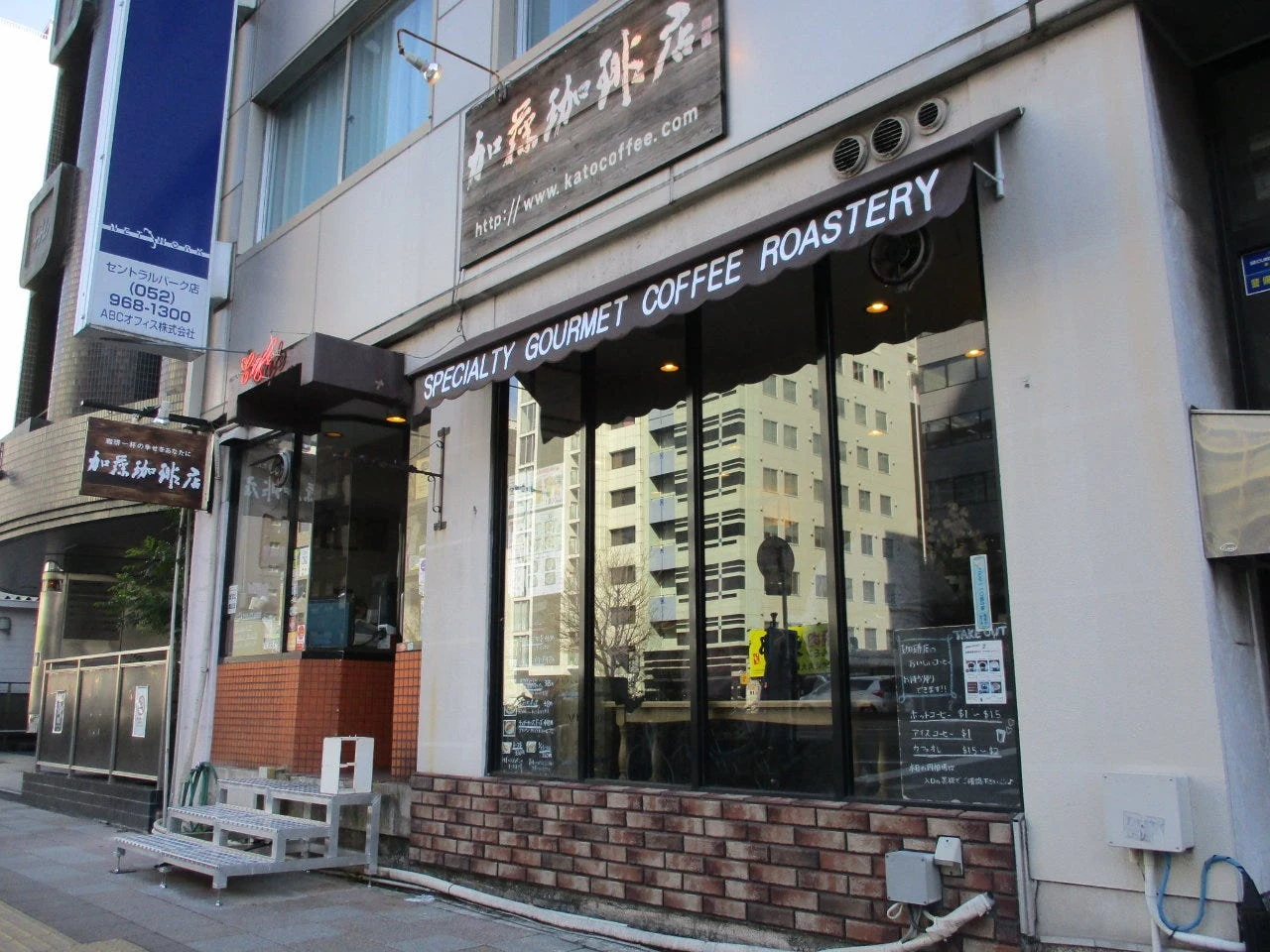
| Kato Coffee Ten | Café | Higashi-ku / Higashisakura |
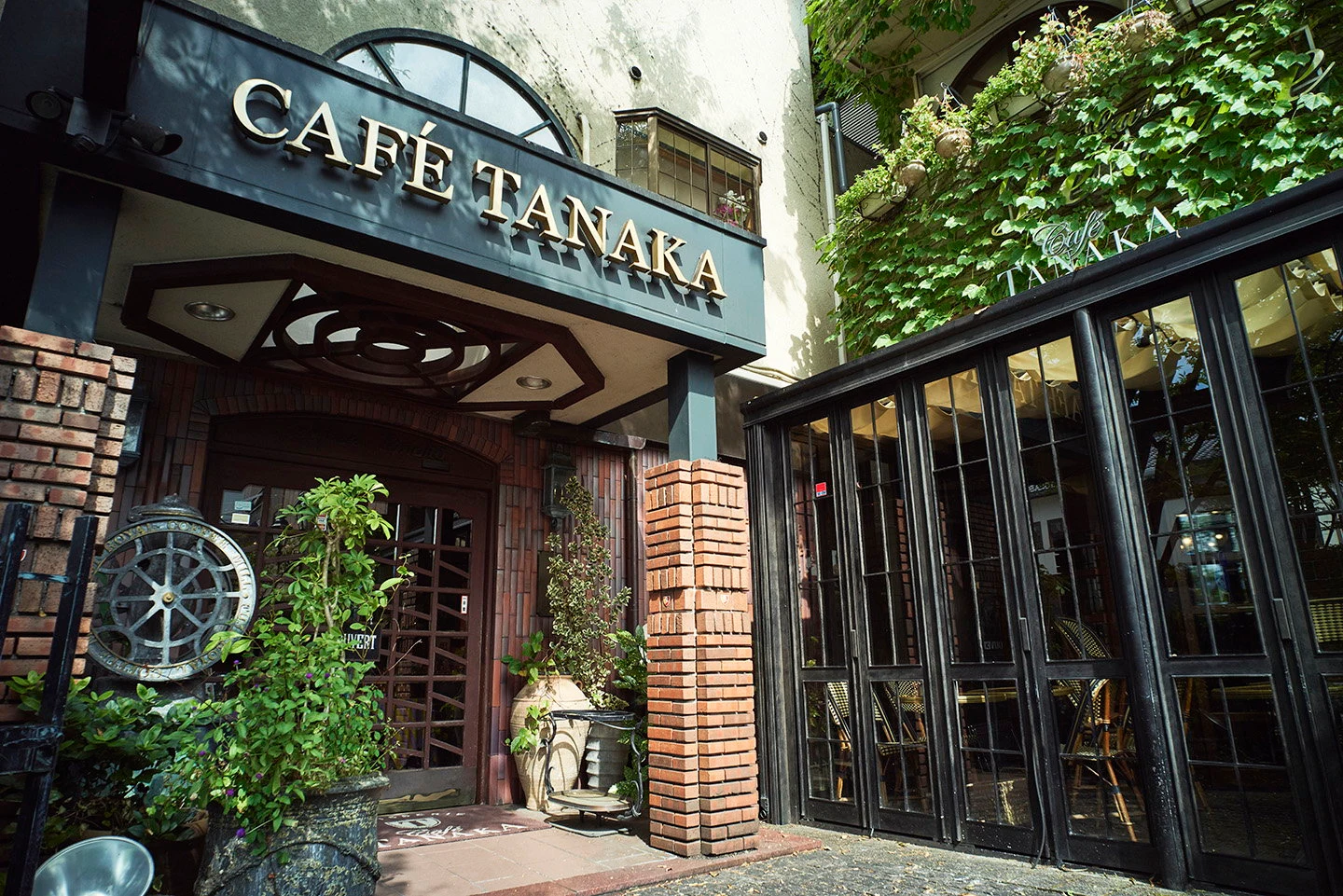
| Cafe Tanaka Honten | Café | Kita-ku |
| coffee Kajita | Café | Meito-ku |
| Cafe de Lyon | Café | Nishi-ku Nagono |