Why go
A Nagoya patisserie counter with a café attached
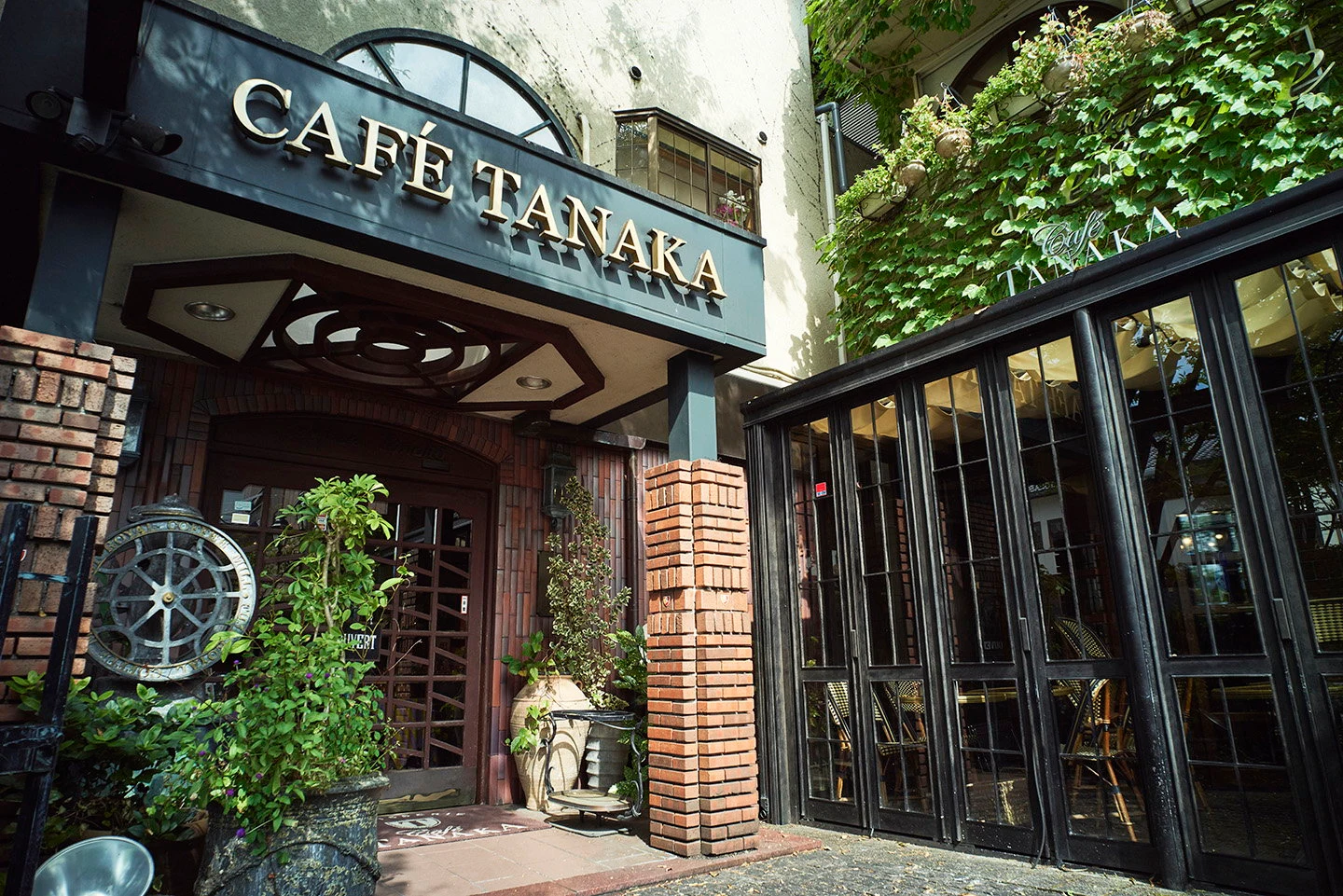
The case does the talking here: French-style cakes, macarons, seasonal fruit tarts and the tins of REGAL cookies that leave the shop by the armful. CAFÉ TANAKA, written in Japanese as カフェタナカ, calls itself a カフェ&パティスリー, a café and patisserie in equal measure, and the Honten is the original room of that brand in Nagoya. The balance is the useful thing to know before arriving. This is not a neighbourhood coffee counter that also sells cake, and it is not a restaurant; it is a pastry house with proper café service around it, where a seat, a drink and something from the case belong to the same order.
Two ways to use the room
The format supports two quite different visits. One is seated café time: a cake or a tart brought to the table with coffee or tea, taken slowly, in a room built to hold people rather than move them along. The other is the cake-shop errand, where the counter works as a confectionery stop and the boxes and tins leave with you. Both are legitimate, and the Honten is set up for both, which is why it stays busy across the day. The pastry work is French in technique and Japanese in finish, so the case reads as precise rather than lavish, and the tea and coffee side is treated as a real accompaniment instead of a default. Either way the order is settled at the case, so it pays to look properly before choosing.
Start with the fruit tart, then take a tin home
Begin with a seasonal fruit tart if one is out, because it shows the kitchen at its most seasonal and the pastry at its cleanest. Macarons are the next order for anyone who wants the technical side in a single bite, and the fluffy pancakes are the thing to ask for when the visit is a sit-down rather than a stop. Coffee or tea should follow the pastry rather than lead it. Then look at the retail shelf. REGAL cookie tins are the take-home item Cafe Tanaka Honten is known for, and they are the reason a lot of visits end with a second, larger purchase once the plate has been cleared. The tins also make the visit portable, which is part of why the shop pulls people in from well beyond the neighbourhood.
Tags
Frequently asked questions
What should I order at Cafe Tanaka Honten?
A seasonal fruit tart first, since it shows the pastry work at its cleanest, then macarons if you want the technique in a single bite. The fluffy pancakes are the order for a longer sit-down visit. Finish with coffee or tea, and take a tin of REGAL cookies home from the retail shelf.
What are REGAL cookie tins?
The take-home side of the patisserie: tins of baked cookies from Cafe Tanaka's own range, sold at the counter alongside the cakes and tarts. They are the item most visits end with, and they explain why the Honten works as a confectionery shop as much as a café you sit down in.
Compare nearby places
| Venue | Type | Area |
|---|---|---|
| coffee house KAKO Hanaguruma honten | Café | Meieki (Nagoya Station area) |
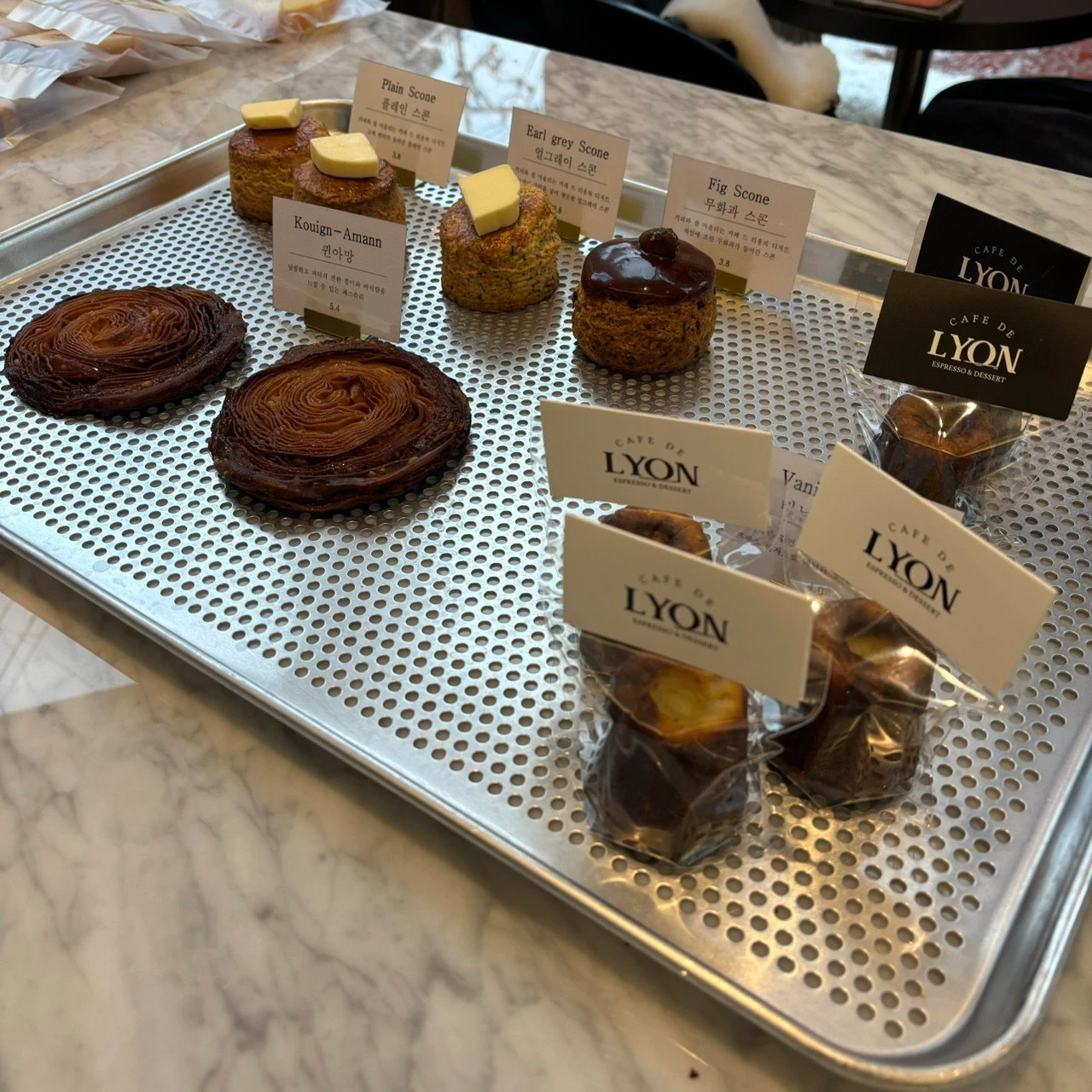
| Cafe de Lyon | Café | Nishi-ku Nagono |
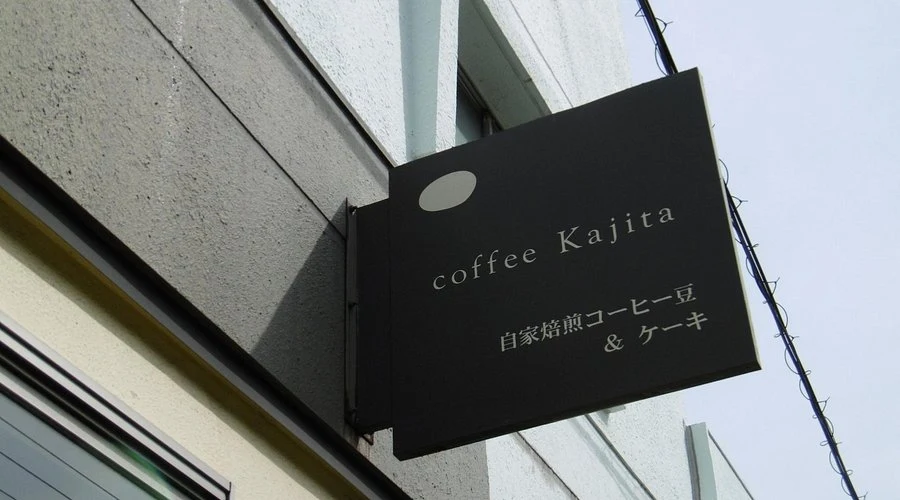
| coffee Kajita | Café | Meito-ku |
| Kato Coffee Ten | Café | Higashi-ku / Higashisakura |
| BUCYO COFFEE | Café | Nakamura Ward / Meieki Minami |