Meito-ku

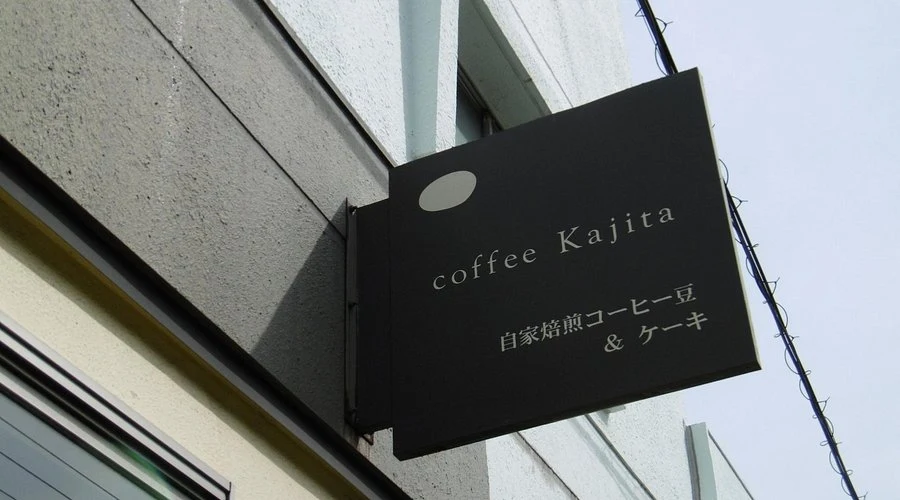
coffee Kajita

CafeSpecialty Coffee ShopAbout $10 a head
coffee Kajita

Why go

Approaching a serious Japanese cafe is different from arriving at a restaurant built around ceremony. The room asks for a lower register: counter seats, a restrained pace, and the kind of attention usually lost in larger dining rooms. In Nagoya, where coffee culture has long had its own habits through kissaten, morning service, and neighbourhood regulars, the small cafe can carry as much local meaning as a formal meal.

coffee Kajita belongs to that smaller, more deliberate category. Its public identity is cafe and cake rather than restaurant theatre, and its recognition on Tabelog 100 Cafe EAST 2025 places it among the regional addresses that diners track for craft rather than scale. The Tabelog score of 3.65 gives another useful signal: this is not mass-market cafe traffic dressed up as connoisseurship, but a compact room with enough sustained approval to matter in a city that takes coffee seriously.

A counter-led cafe for milestones that do not need a dining room

Occasion dining is often misread as a question of expense. In Japan, the more revealing distinction is format. A 10-seat counter-only cafe can suit a birthday, anniversary afternoon, or post-lunch detour precisely because the room removes the social noise of a larger venue. The celebration becomes narrower and more exact: coffee, cake, conversation, and timing.

That makes coffee Kajita a different proposition from Nagoya addresses where the occasion is built around a longer meal. Within the local comparison set, kitchen NOMU sits in a higher dinner bracket while keeping lunch within a similar everyday range, and With operates in a far more expensive tier. baguette rabbit and BHANCHA GHAR sit closer on casual spend, but their categories answer different cravings. The useful comparison is not which venue is grander; it is which format matches the moment. For a quiet marker rather than a full evening, a small cafe counter is the sharper choice.

The cake category matters here. Japanese cafe culture often treats sweets as a discipline rather than an add-on, especially in rooms where coffee service is the anchor. Without needing a tasting menu or a chef narrative, the format creates its own hierarchy: limited seats, short decision paths, and a rhythm set by cups and plates rather than courses. That restraint is why this kind of cafe works for intimate occasions that would feel overproduced in a hotel lounge or too slight in a standard chain cafe.

Nagoya's coffee seriousness, without the kissaten nostalgia trap

Nagoya has a deep coffee habit, but the city’s cafe scene is not only about retro kissaten interiors and morning sets. Contemporary specialty-leaning cafes, cake-focused counters, and neighbourhood rooms now sit alongside the older traditions. coffee Kajita’s Tabelog 100 Cafe EAST selection in 2025 and earlier Tabelog 100 Cafe recognition in 2022 position it inside that newer merit-based map, where repeat attention matters more than decorative nostalgia.

The location in Meito-ku, near Issha on the Higashiyama Subway Line, also affects the experience. This is not the frictionless restaurant crawl of Sakae or Nagoya Station. The eastern residential setting gives the visit a more intentional quality: diners come for the cafe rather than folding it into a dense nightlife plan. For travellers, that can be an advantage. Nagoya often rewards those who leave the central hotel corridor, and cafe culture is one of the easier ways to read the city at neighbourhood scale.

There is a practical implication to the compact format. Counter-only rooms do not absorb groups gracefully, and quiet cafes rarely improve when treated as backup plans for a large party. The smarter use is a pair, a solo visit, or a small celebration with someone who will notice the difference between a quick caffeine stop and a room arranged around coffee service. In that sense, the venue’s occasion value comes from restraint, not ceremony.

How to place it in a Nagoya itinerary

For a city itinerary, coffee Kajita works better as a planned pause than as a casual add-on between major sights. Nagoya’s dining strengths cover several registers: regional comfort food, serious small restaurants, bakeries, cafes, and specialist counters. Travellers building a day around eating should treat this as the quieter middle chapter, not the finale. Put it after a neighbourhood walk or before a more substantial dinner, and the pacing makes sense.

Readers mapping the wider city can use Our full Nagoya restaurants guide for dining context, then cross-check hotels, bars, wineries, and cultural formats through Our full Nagoya hotels guide, Our full Nagoya bars guide, Our full Nagoya wineries guide, and Our full Nagoya experiences guide. For nearby restaurant comparisons inside Nagoya, see 1022, 451, Aaron, Alan., and All Day Dining Montmartre.

Beyond Nagoya, the broader Japan and travel dining map gives useful contrast. A cafe such as.cafe in Osaka speaks to a different urban rhythm, while.know in Kumamoto, (Shoku) Vietnam in Kawasaki, [Curry Senmon Ten] Maruyama Kyoju. in Sapporo, -Grilled beef Sukiyaki- KAMAKURA TANUKIAN 鎌倉 たぬき庵 in Kamakura, and. 鮪と炭火焼き うお炭 秋葉原店 in Tokyo show how category, city, and occasion change the reader’s decision. For overseas counterpoints, Jōdo Saké Bar in Los Angeles and Onigiri Time in Pasadena underline how Japanese formats shift once removed from their local context.

The editorial verdict is simple: choose this for a quiet occasion where coffee and cake are the point, not a pretext. Nagoya has louder meals and longer evenings, but this address serves a different need: a compact, recognized cafe experience with enough discipline to make a small celebration feel considered.

Tags

CozyQuietHidden GemClassicSoloCasual HangoutAfter WorkDate NightStandaloneDesign Destination