Why go
French bread in a quiet Shibuya street
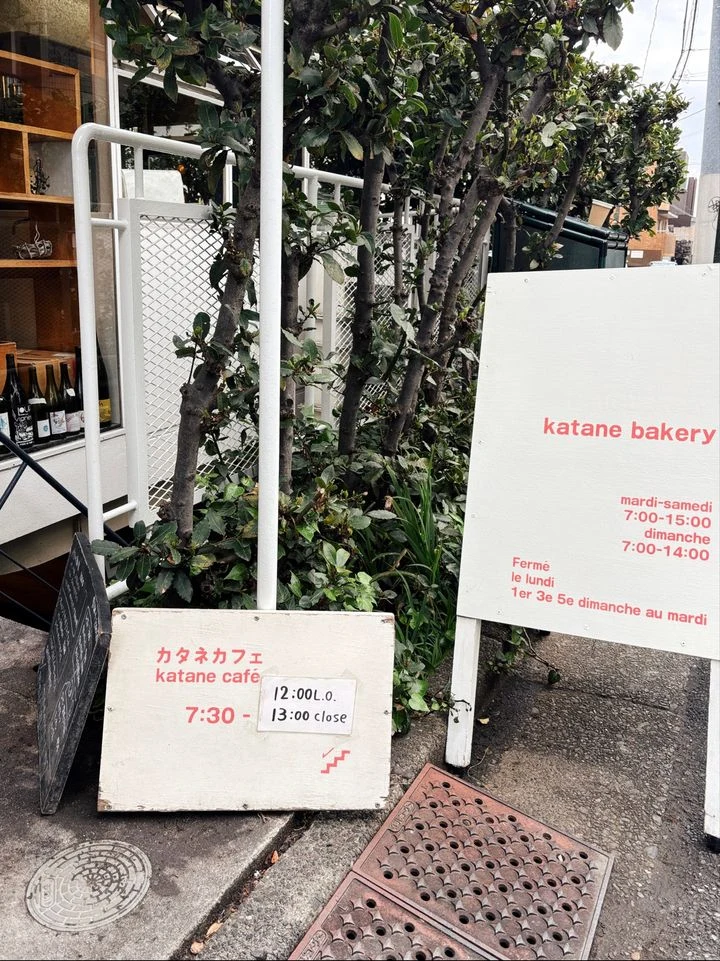
Baguettes and croissants at the counter, bánh mì and croque monsieur for anyone staying, and a Parisian-style breakfast set that gives the morning its shape: Katane Bakery keeps a French accent in a neighbourhood shop. It sits in a residential pocket of Shibuya rather than on a shopping street in central Tokyo, which is most of why it feels the way it does.
The baking is the reason for the queue. Baguette is the item to judge the place by, and the croissant is the second test, both of them straightforward rather than elaborate. The sandwiches are built on the same bread rather than bought in, which is what makes the café side worth sitting down for. Katane was placed at number 80 in the Tabelog 100 for 2022.
Counter first, then the basement café
The layout splits the visit in two. The counter anchors everything, with a simple terrace outside for a quick stop and a small basement café underneath for anyone who wants to sit with a coffee and a plate.
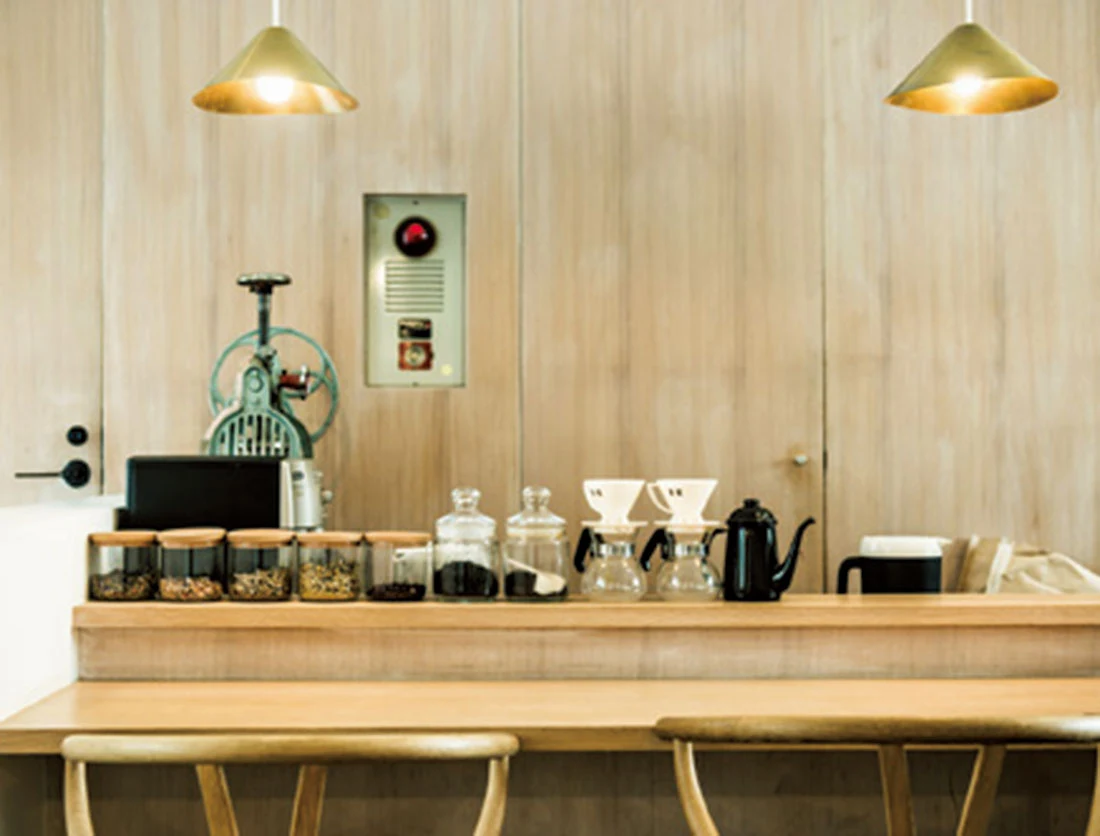
That split is what lets one bakery work as a bread errand and as a slow breakfast. Upstairs is a queue and a paper bag, and most people leave with bread rather than stay. Downstairs is closer to a relaxed Parisian breakfast room than to a formal restaurant, and the morning is when it makes the most sense. The room is modest in the way good neighbourhood bakeries usually are, warm and unfussy, with the bread doing the decorating.
Start with the baguette, stay for breakfast
Order the baguette first if you want the clearest measure of the bakery. It is one of the signature items and the most direct way to understand the style of the shop before adding anything richer or more composed, and it is the loaf the neighbourhood buys.
The croissant is the other simple first choice, and the two together cover most of what Katane is about. For something closer to a café order, the Parisian-style breakfast set is the one to take downstairs, while bánh mì and croque monsieur turn the same bread into a fuller plate at the middle of the day. This is everyday bakery territory rather than special-occasion dining, and it is better for staying there.
Frequently asked questions
What should you order at Katane Bakery?
Order the baguette first, since it is the signature and the clearest measure of the bakery. The croissant is the other simple choice. If you are staying, the Parisian-style breakfast set belongs downstairs in the basement café, and bánh mì or croque monsieur make a fuller plate later in the day.
Can you sit down at Katane Bakery?
Yes, in two ways. There is a simple terrace outside the counter for a quick stop, and a small basement café below for anyone who wants to sit with a coffee and a plate. The basement is where the Parisian-style breakfast set and the sandwiches make the most sense.
Compare nearby places
| Venue | Type | Area |
|---|---|---|
| Boulangerie et Cafe Main Mano | Bakery | Yoyogi-Uehara |
| PÂTISSERIE BIEN-ÊTRE | Bakery | Shibuya |
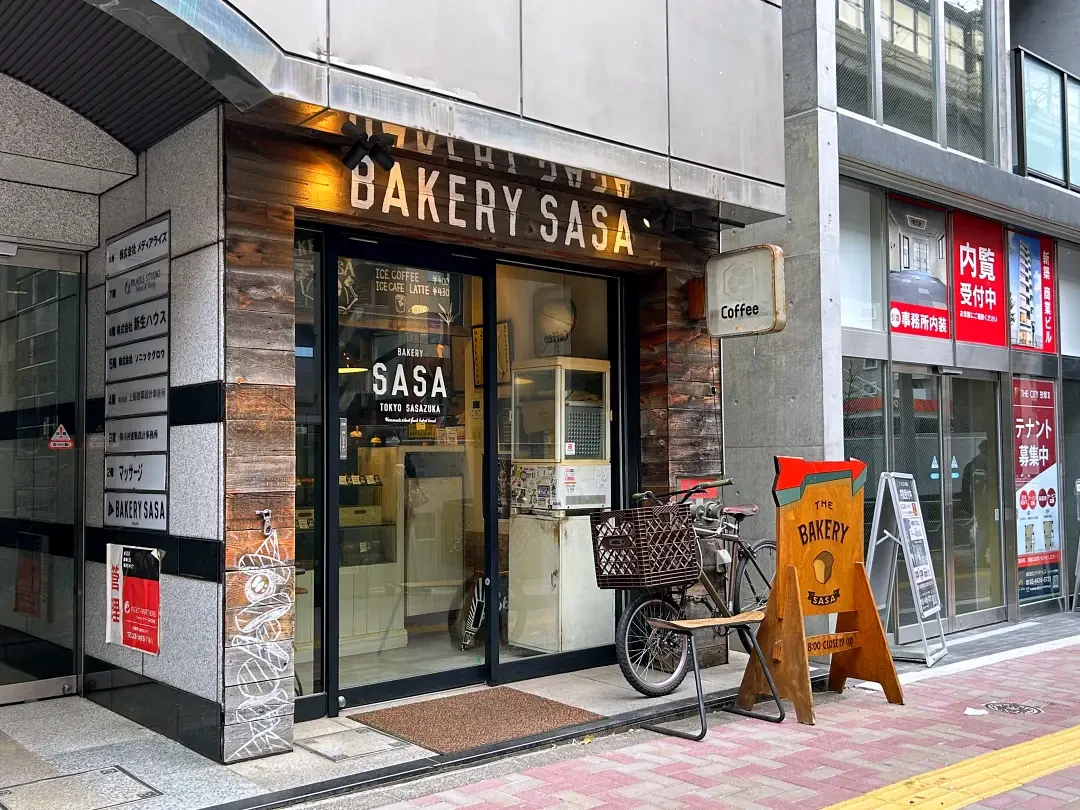
| BAKERY SASA | Bakery | Sasazuka |
| Patisserie Cacao et Paris | Bakery | Nakameguro |
| Boulangerie Paris no Sora no Shita | Bakery | Setagaya |