Why go
Light roasts and single origins in Kanda Nishikicho
Order at Glitch Coffee & Roasters and the question is which origin, not which drink. The house roasts light and buys single lots, aiming to show the character of each producing origin rather than to build a consistent house blend, and the coffee is presented with country, region, lot, cultivar and tasting notes attached. The company started in 2015 in Jimbocho, a Tokyo district associated with second-hand books and an older café culture, and has since spread to Nihonbashi and Ginza as well as Osaka and Nagoya. The phrase the roastery uses for its service, a cup for your valuable time, describes the format accurately: a small bar, a coffee chosen deliberately, and no attempt at a broad café menu.
A roaster-led bar rather than a café
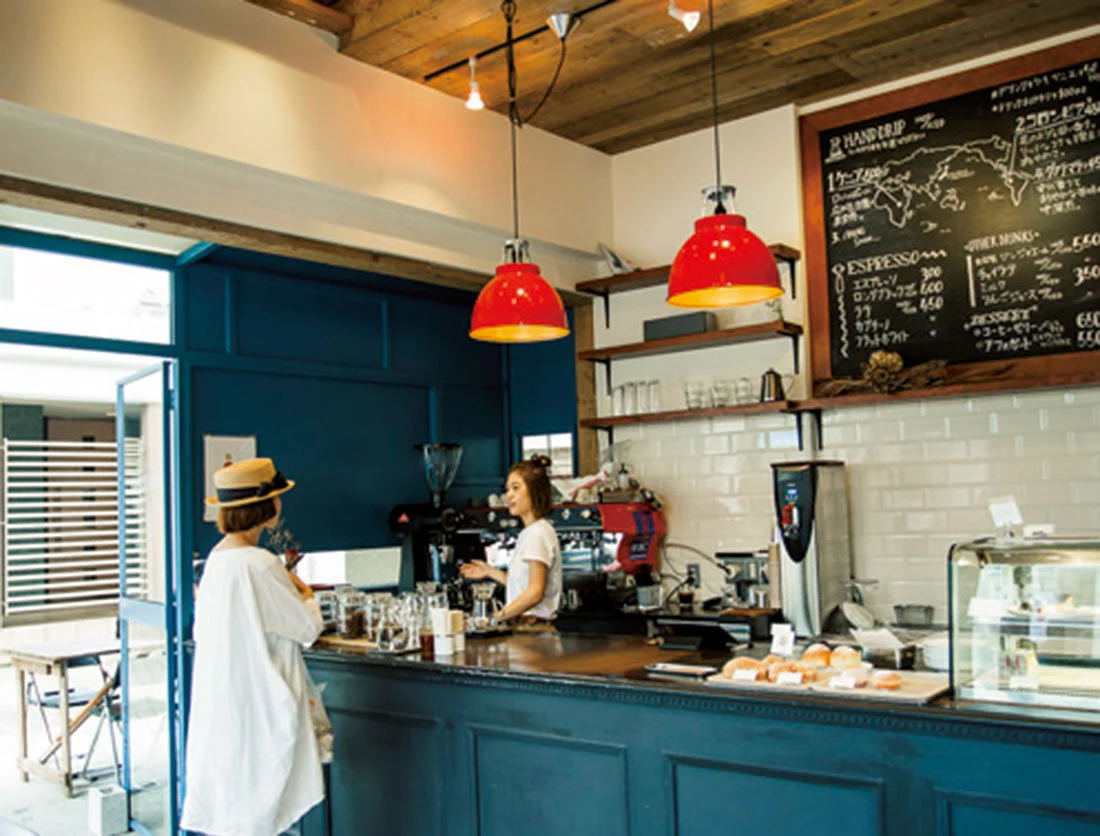
The room is coffee-first in a way that shows in what is missing. There is no restaurant menu, no long pastry board and no tea programme competing for attention, and the bar is set up so the brewing happens in front of you. The operation also reaches past the counter: Glitch roasts for wholesale, supplies guest beans to other cafés, runs monthly subscription projects and office coffee, and offers staff training, equipment advice and consultation for people opening their own places. That teaching side is part of why the coffee is described in such technical terms when it is handed over. It was ranked number 48 on the Tabelog 100 list in 2025.
Order a pour-over, then compare
Order with the single-origin list in mind and take the pour-over first. The clearest examples of what the roastery does are competition-grade Colombian lots: Colombia Tolima Montreal, a 2023 Cup of Excellence number one, carries notes of orange blossom, honey, jasmine tea, tangerine and apple, while Colombia Risaralda Milan Geisha runs to jasmine, green apple, honey, muscat, green tea and cane sugar. Those two show the house range in a single sitting, and a second cup is the point rather than an indulgence, because the differences between lots are what the light roasting is for. If one of them lands, the same coffee is sold as beans, so the comparison can continue at home.
Tags
Frequently asked questions
What should I order at Glitch Coffee & Roasters?
Take a pour-over from the single-origin list. The competition-grade Colombian lots show the house most clearly: Colombia Tolima Montreal, a 2023 Cup of Excellence number one, runs to orange blossom, honey, jasmine tea and tangerine, while Colombia Risaralda Milan Geisha leans to jasmine, green apple, muscat and cane sugar.
Why is the coffee roasted so light?
Light roasting is how the house tries to show the character of each producing origin rather than a consistent blend, which is why coffees are listed with country, region, lot, cultivar and tasting notes. A second cup is worth ordering, since the differences between lots are the point of the programme.
Compare nearby places
| Venue | Type | Area |
|---|---|---|
| Okusawa Factory Coffee and Bakes | Café | Setagaya |
| Jikaseibaisen Coffee Mijinko | Café | Bunkyo / Yushima |
| Rose Bakery Marunouchi | Café | Marunouchi |
| UNISON TAILOR Coffee and Beer NINGYOCHO | Café | Nihonbashi Ningyocho |
| Juichibo Coffee Ten | Café | Ginza |