Why go
Asagaya changes the register before dessert enters the conversation. The station area has west Tokyo’s lived-in tempo rather than the polished glare of Ginza or Omotesando, and that matters for gelato: the pleasure is not a plated finale after a long tasting menu, but a small purchase folded into an ordinary neighbourhood afternoon. Gelateria Sincerita sits closer to Tokyo’s everyday sweets culture than hotel-lobby patisserie theatre.
Tokyo’s serious dessert culture often hides in plain sight. Department-store food halls turn pastry into choreography, kissaten preserve old coffee-and-cake rituals, and specialist counters draw queues for a single category. Gelato belongs to that specialist camp, rewarding precision, quick service, and repeat custom more than ceremony. The format is deliberately narrow: a cold case, a few minutes, clear seasonality, and turnover.
Asagaya gives the gelato counter a neighbourhood pace
The useful comparison is not Tokyo’s luxury dining rooms, but its compact food specialists: curry shops, yakitori counters, standing sushi bars, and cafes that become minor destinations because one category is handled with unusual discipline. In Asagaya, that discipline reads differently from central Tokyo. Nearby names such as 鮨しん 阿佐ヶ谷 Sushi Shin Tokyo, ラ メゾン クルティーヌ, SATO BRIAN Sangou, SATO BRIAN Sango, and サトブリDA point to a neighbourhood with more culinary range than many visitors expect, from sushi and French to high-spend yakiniku. Gelato here becomes a softer marker of the same pattern: Suginami rewards places that enter local routine while still pulling destination traffic.
Recognition separates a serious sweet shop from a pleasant stop. Selection for Tabelog 100 - Ice cream / Gelato - 2023 places Gelateria Sincerita inside a national category, not just a local sweets list. Earlier Tabelog Sweets TOKYO 100 selections in 2018, 2019, 2020, and 2022 matter because Tokyo dessert rankings are crowded with patisserie, kakigori, wagashi, parfait rooms, and cafe formats. Gelato competes across a broader category than it first appears.
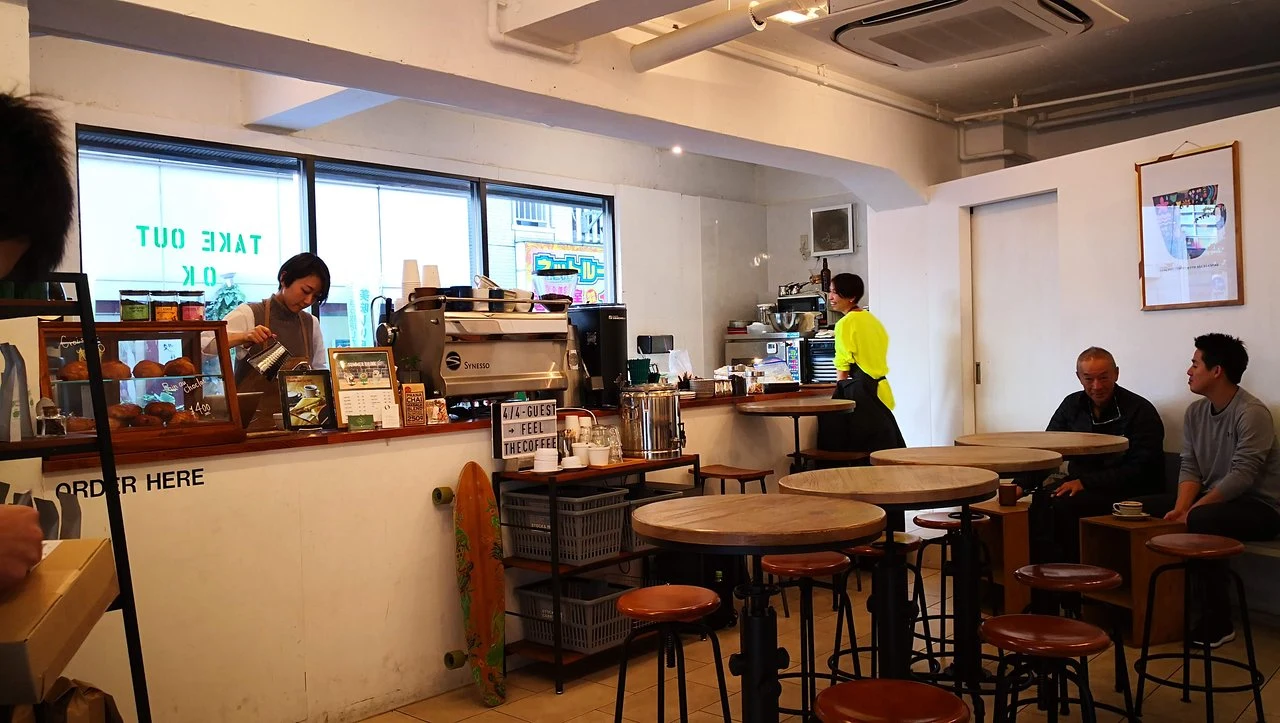
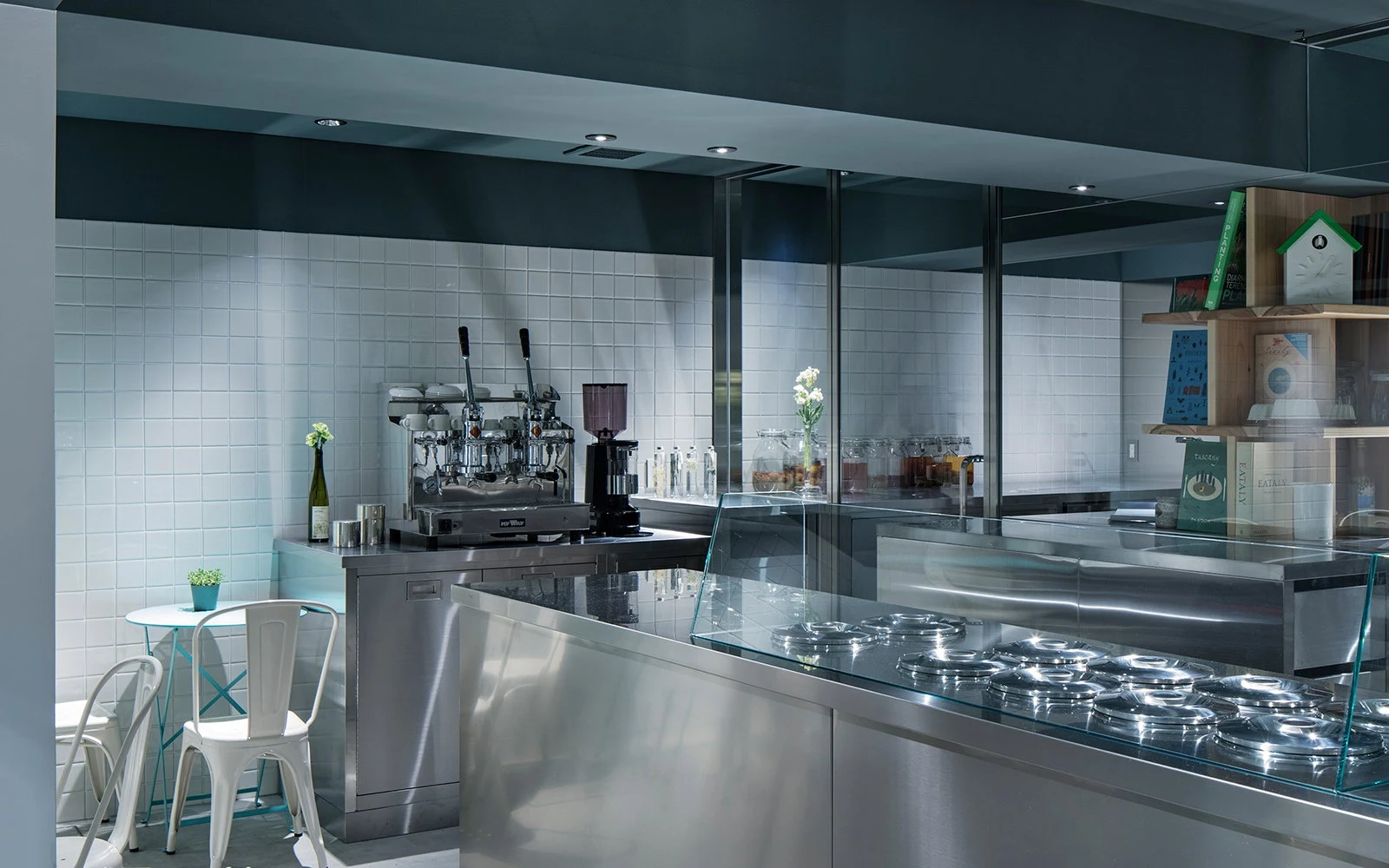
The room reinforces the scale. Eight seats is not a lingering cafe proposition; it is a compact sweets counter with take-out built in. That small capacity resets expectations. This is not the place to plan a long lunch around dessert, and that is the point. Tokyo does many forms of luxury, but one strength is the narrow-format shop that asks for a short, focused visit and gives back clarity.
Seasonality, not ceremony, is the point
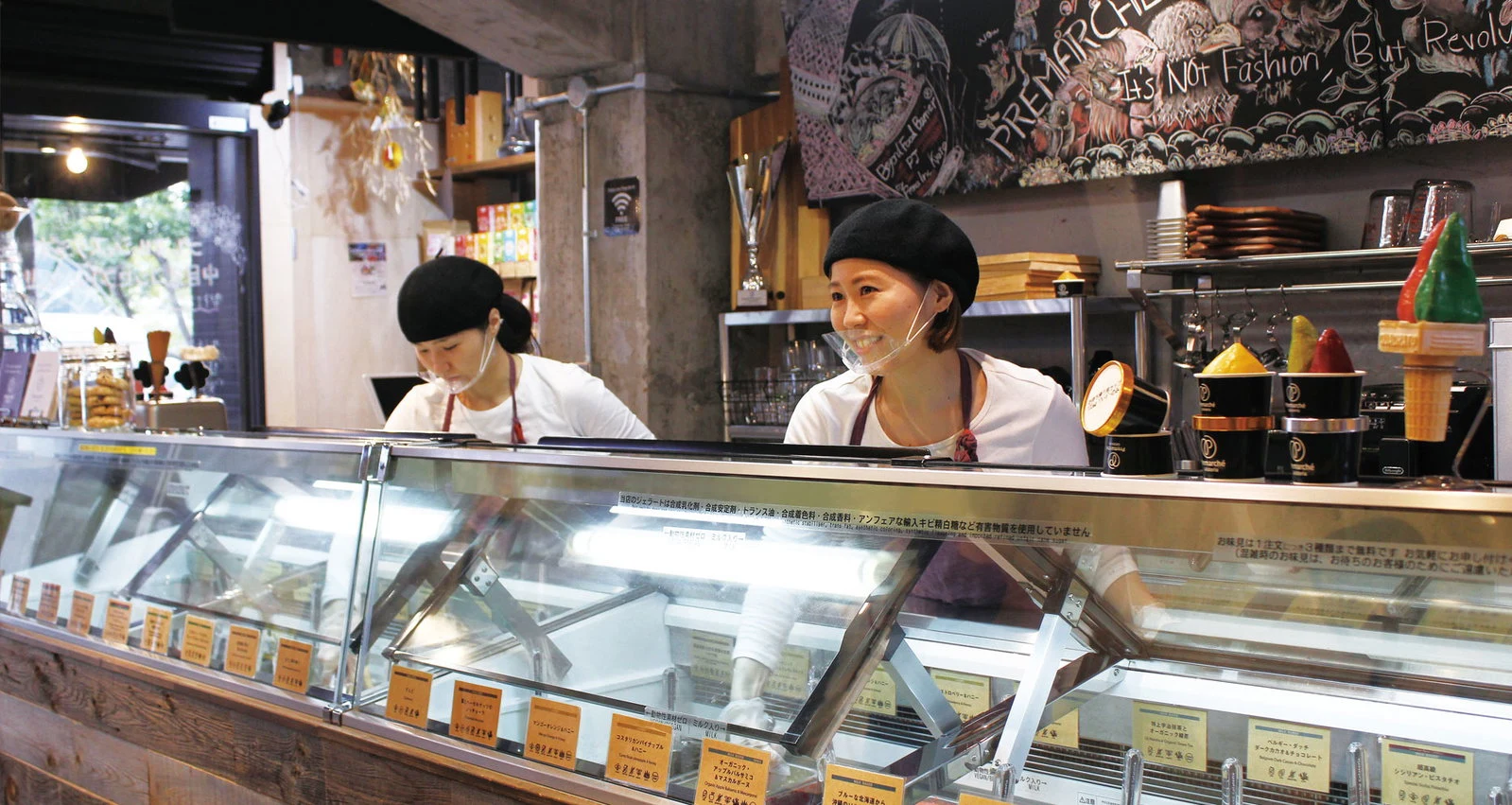
The public positioning is direct: gelato made with seasonal fruit and other ingredients, with new flavours introduced monthly. That is enough to understand the editorial angle without inventing a flavour list. Gelato depends on freshness, texture, and temperature management, but the larger cultural signal is seasonality. In Japan, seasonal sweets are not a garnish on the dining calendar; they are the calendar. Fruit, wagashi, parfaits, convenience-store limited editions, and department-store dessert counters train diners to notice the month. A gelateria that changes regularly fits that rhythm.
That rhythm explains why this address suits travellers who know Tokyo beyond the headline dining circuit. A visitor chasing only tasting menus may miss how the city uses small sweets specialists as punctuation between meals. Dessert here need not be dramatic. It can be a reason to ride west, walk a few blocks, eat something cold, and see how a residential district carries serious food culture without announcing itself loudly.
Price keeps the experience democratic by Tokyo standards, while recognition gives it editorial weight. The category sits far below the spend of Asagaya’s premium meat rooms such as SATO BRIAN Sangou, where listed budgets run JPY 15,000 to JPY 19,999. The contrast is useful: the same neighbourhood supports high-commitment reservations and casual sweets, and both attract diners who care about specificity. Gelateria Sincerita belongs to the latter tier, where repeatability, quick service, and ingredient rotation matter more than duration.
For a wider Tokyo eating day, pair a specialist sweet stop with another compact-format address rather than forcing it into a grand dining itinerary. EP Club readers planning across the city can map this against Our full Tokyo restaurants guide, then decide whether the day leans casual, counter-led, or destination dining. Nearby and citywide contrasts include . 鮪と炭火焼き うお炭 秋葉原店, 12/10 Shinjuku ten, 124. KAGURAZAKA (Yakitori), 2D Cafe, and 3 Chome no Curry Ya San. The better itinerary treats gelato as its own stop, not an afterthought tacked onto a heavy meal.
Where it fits in a Tokyo food day
The practical read is low-friction, high-specificity. It is family-friendly, accepts common cashless payments, and lists no private rooms, matching the compact public-facing format. Non-smoking status matters for travellers using it as a quick pause with children or between neighbourhood walks. Reservations are unavailable, so timing is less about securing a table than accepting the natural flow of a small sweets shop.
The strongest reason to go is not rarity for its own sake, but category focus. Tokyo can make even dessert feel over-scheduled; this format resists that. The shop asks for a short visit, gives a clean read on Japan’s seasonal-sweets habit, and shows why the city’s casual specialists deserve as much attention as its formal dining rooms. Gelateria Sincerita is a sharp Asagaya stop for travellers who want Tokyo’s food culture at neighbourhood scale.
For broader planning beyond restaurants, EP Club’s city guides can shape the rest of the day: Our full Tokyo hotels guide, Our full Tokyo bars guide, Our full Tokyo wineries guide, and Our full Tokyo experiences guide. Travellers building a Japan-wide sweets-and-casual-dining route can compare the tone with -Grilled beef Sukiyaki- KAMAKURA TANUKIAN 鎌倉 たぬき庵 in Kamakura,.cafe in Osaka,.know in Kumamoto, (Shoku) Vietnam in Kawasaki, [Curry Senmon Ten] Maruyama Kyoju. in Sapporo, and [ki:] in Kyoto. For readers extending the Japanese casual-food thread to California, Jōdo Saké Bar in Los Angeles and Onigiri Time in Pasadena offer a different diaspora context.