Why go
Self-roasted coffee under a dojo sign
The house roasts its own and pours it under a name that reads as coffee dojo: Coffee Dojo Samurai, written 珈琲道場 侍, with samurai on the sign and bushido in the service language. The shop dates to 1978, when it opened near Eikodo Station before the operation moved to Kameido in eastern Tokyo, so the theme sits on top of decades of ordinary trade rather than a recent concept launch.
The roasting produces the original house blend and a Royal Blend, alongside a cold, slow-dripped mizu-dashi. It reached number 10 on the Tabelog 100 list in 2022.
Nearly fifty years on, the roasting is still done in house rather than bought in, which is the part of the operation the theme sits on top of.
Ritual treated as the job
The room works as a kissaten: table seating, unhurried service, and the samurai framing carried through the fittings rather than played for laughs. The house writes about hospitality as a discipline, care and composure offered to whoever walks in.
Coffee is positioned for the practical moments of a working day, the rushed morning, the break beside a meal, the pause on the way home, which keeps the theme grounded in use rather than in costume. Alongside the cups, the shop sells gallery pieces and packaged gifts and runs an online shop, so the counter is part café and part retail.
Seating is conventional, tables rather than a bar built for a queue, and the pace matches. This is a room to sit in for half an hour, not a counter to pass through on the way to a train.
Order the mizu-dashi, then the house blend
Start with the mizu-dashi. Cold water dripped slowly through the grounds gives a cup with the acidity pulled back and the sweetness forward, and it is the drink most closely associated with the shop.
Then take the original blend hot, which is the everyday expression of the roasting and the fairer test of it, with the Royal Blend as the step up from there. For taking home, the drip packs are made in limited runs and the gift packaging is designed around them, which makes them the natural close to a visit built on the roast rather than on the room.
Nothing about the ordering is complicated, which is consistent with a shop that treats coffee as a daily discipline rather than as an occasion to be staged.
Tags
Frequently asked questions
What should I order at Coffee Dojo Samurai?
Start with the mizu-dashi, the cold water drip most closely associated with the shop, which pulls the acidity back and pushes the sweetness forward. Then take the original house blend hot as the fairer test of the roasting, with the Royal Blend as the step up. Limited-run drip packs are sold for taking home.
Does Coffee Dojo Samurai roast its own coffee?
Yes. The house roasts in house and builds its own blends, including the original blend and a Royal Blend, and packs limited runs of drip bags for sale alongside gallery pieces and gifts. The shop has been trading since 1978, first near Eikodo Station and later in Kameido.
Compare nearby places
| Venue | Type | Area |
|---|---|---|
| Kayaba Coffee | Café | Yanaka |
| Café Trois Chambres | Café | Shimokitazawa |
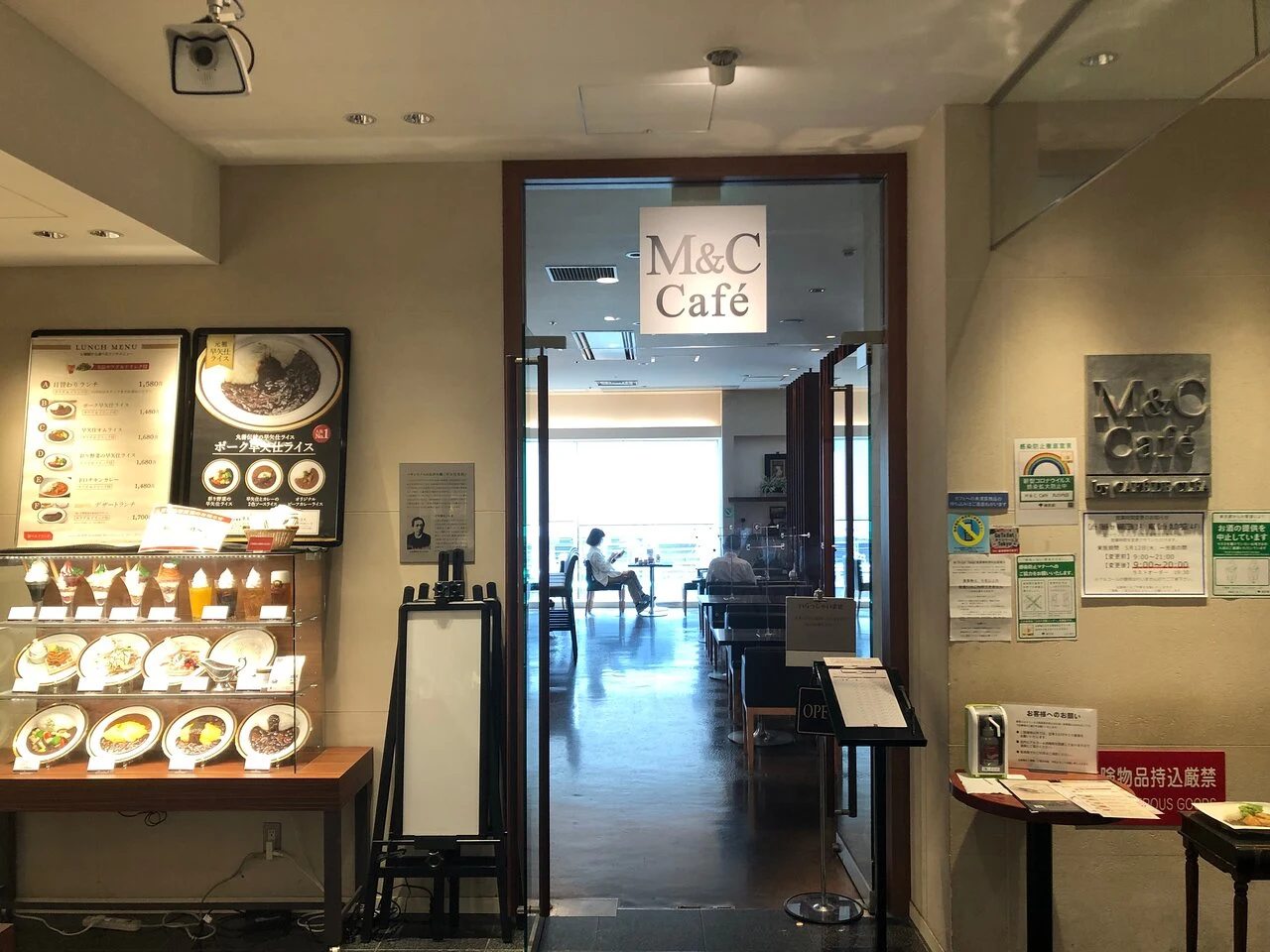
| M & C Cafe Marunouchi oazo | Café | Marunouchi |
| Coffee Sha Kura | Café | Jimbocho |
| HAGI CAFE | Café | Yanaka |