Akasaka

Coffee Arabica

CafeCoffee Bar3.5 on GoogleAbout $15 a head
Coffee Arabica

Why go

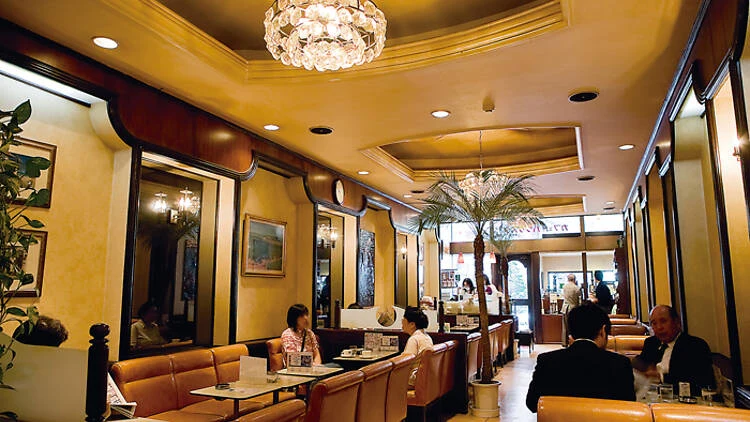
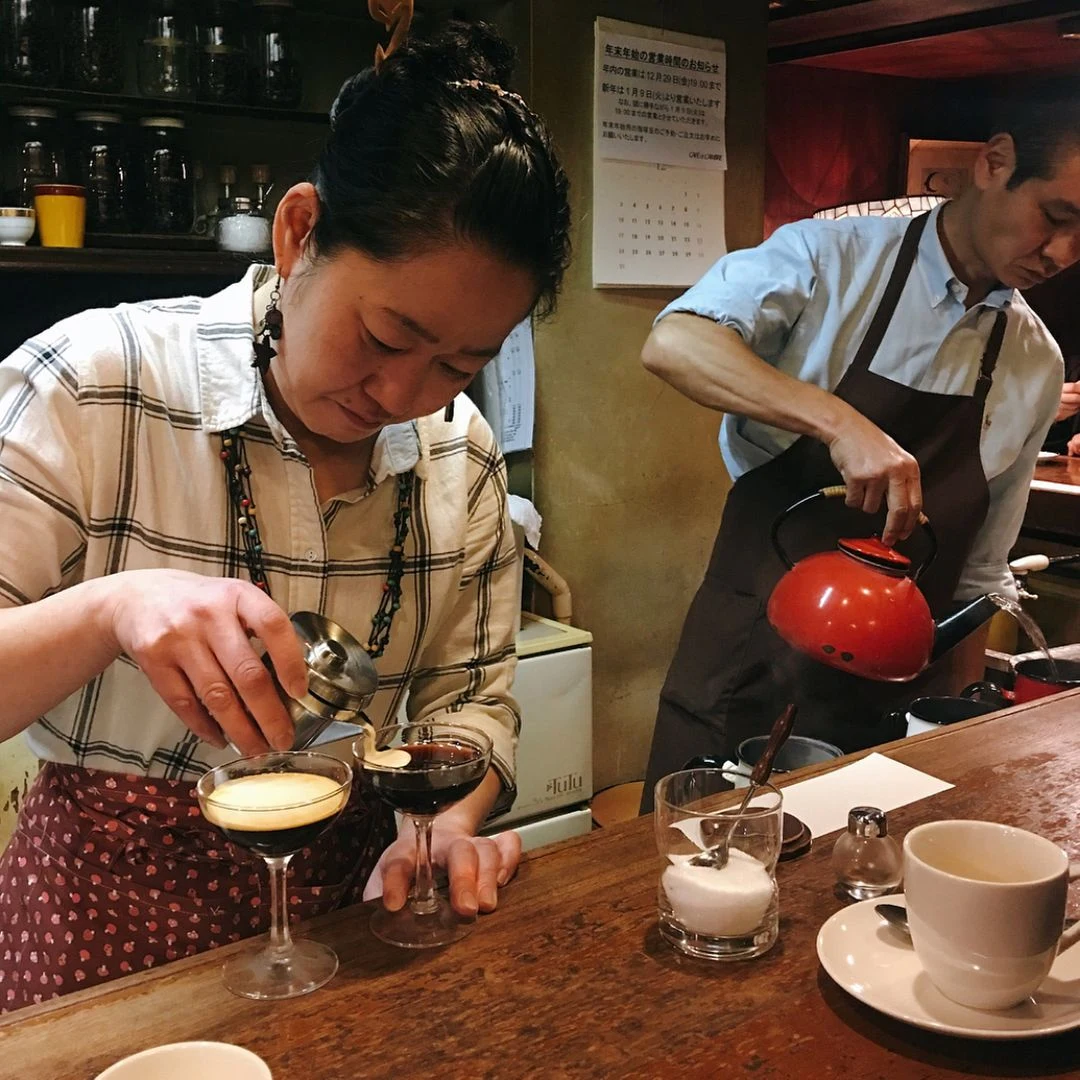
Akasaka’s coffee culture changes character below street level. Leave the office towers and restaurant signs, descend to a basement room, and the tempo shifts from takeaway speed to the older grammar of the kissaten: seated coffee, contained conversation, a room designed for staying rather than cycling through. Coffee Arabica sits in that tradition, where the environmental argument is not manifesto but format. The old Japanese coffee shop model uses time, table service, reusable cups, and a smaller menu as its quiet counterpoint to disposable café culture.

That distinction matters in Tokyo, a city of extraordinary convenience and specialist rooms. Third-wave espresso bars, chain cafés, hotel lounges, and kissaten all serve daily coffee occasions, but not the same need. A kissaten is closer to an urban pause than a caffeine transaction. Coffee Arabica’s selection for Tabelog’s 2022 Kissaten 100 places it in a category judged on continuity and local credibility rather than spectacle. In Akasaka, where lunch counters, yakiniku rooms, and after-work drinking spots dominate the rhythm, that quieter coffee format has weight.

Akasaka's kissaten culture rewards restraint over turnover

Tokyo’s older coffee shops make sustainability legible through behaviour rather than branding. Guests sit down. Drinks arrive for the table. The experience is not built around lids, sleeves, branded bags, and constant disposal. This is not contemporary eco-positioning, and should not be romanticised as a complete solution, but the structure differs materially from the grab-and-go chain. It reduces consumption to fewer moving parts: a seat, a cup, a bill, and time.

Coffee Arabica’s practical signals reinforce that slower model. Reservations are unavailable, keeping the shop in the democratic rhythm of the traditional café rather than the planned itinerary of a destination restaurant. Seating is finite, with counter, table, and semi-private room arrangements, giving the intimacy of a local coffee shop rather than the anonymous churn of a station concourse. In Tokyo terms, it sits closer to a neighbourhood institution than to the design-led café circuit represented elsewhere by places such as 2D Cafe.

The no-photography rule for the menu and interior is also telling. Tokyo has many rooms shaped by the camera, from dessert cafés to themed restaurants, but the kissaten tradition is often strongest when it resists that economy. A room limiting photography asks to be used rather than harvested for content. That creates a different travel value: not a visual trophy, but a working example of how Tokyo’s older hospitality formats hold ground in high-pressure districts.

Recognition here is about category discipline, not luxury coding

Tabelog’s Kissaten 100 list is useful because it separates this form from the broader restaurant hierarchy. Coffee Arabica is not competing with Akasaka’s higher-spend dinner rooms, where price and occasion carry different expectations. Nearby comparison venues such as Akasaka Oozeki Honten and Akasaka Misuji sit in a dinner bracket several times higher, while the coffee shop occupies a lower-cost, daytime-friendly tier. That contrast is the point: Tokyo’s food culture is not only omakase counters and expensive beef rooms. It also depends on small, repeatable urban habits.

For travellers, the shop is useful as a calibration stop. Before an evening of grilled meat, yakitori, or a more formal reservation, a kissaten visit frames another side of Tokyo dining: slower, less performative, and more local in pace. The same city guide might include 124. KAGURAZAKA (Yakitori) for counter cooking, 3 Chome no Curry Ya San for curry specificity, and 12/10 Shinjuku ten for another urban dining mood. Coffee Arabica belongs to that map because everyday Tokyo rooms can carry as much cultural information as higher-priced meals.

The sustainability angle is strongest through durability and moderation. Traditional kissaten culture does not require every guest to carry an environmental brief; it normalises lingering over a small order, using the room’s serviceware, and treating coffee as civic life rather than portable fuel. In a city where convenience stores and station kiosks make disposability effortless, that older rhythm has renewed relevance. It is not purist, but it is a useful correction.

How to place it in a Tokyo itinerary

Akasaka rewards compact planning. The area sits between political Tokyo, corporate Tokyo, and the dining corridors around Akasaka-mitsuke, so coffee works as a hinge between meetings, hotel check-ins, and dinner. Travellers building a broader food itinerary should treat Coffee Arabica as a daytime cultural stop rather than a substitute for a full meal. Its value comes from the room’s category, its Tabelog Kissaten 100 recognition, and its position in a neighbourhood many visitors know better for evening dining.

That positioning makes it a useful contrast within Tokyo and Japan itineraries. For restaurant planning across the capital, Our full Tokyo restaurants guide gives the wider field, while adjacent planning can extend through Our full Tokyo hotels guide, Our full Tokyo bars guide, Our full Tokyo wineries guide, and Our full Tokyo experiences guide. In that frame, coffee is not filler between meals; it is one way the city reveals its habits.

The comparison sharpens against other casual and specialist addresses across Japan and beyond. A Tokyo day might move from coffee to 鮪と炭火焼き うお炭 秋葉原店, while a wider Japan route could place it beside.cafe in Osaka,.know in Kumamoto, [ki:] in Kyoto, [Curry Senmon Ten] Maruyama Kyoju. in Sapporo, (Shoku) Vietnam in Kawasaki, and -Grilled beef Sukiyaki- KAMAKURA TANUKIAN 鎌倉 たぬき庵 in Kamakura. Farther afield, Japanese casual formats travel differently, from Jōdo Saké Bar in Los Angeles to Onigiri Time in Pasadena. Coffee Arabica’s lesson is local: Tokyo’s quieter rooms often make their case through repetition, not reinvention.

Tags

ClassicCozyQuietIconicSoloCasual HangoutAfter WorkGroup DiningStandaloneHistoric Building