Why go
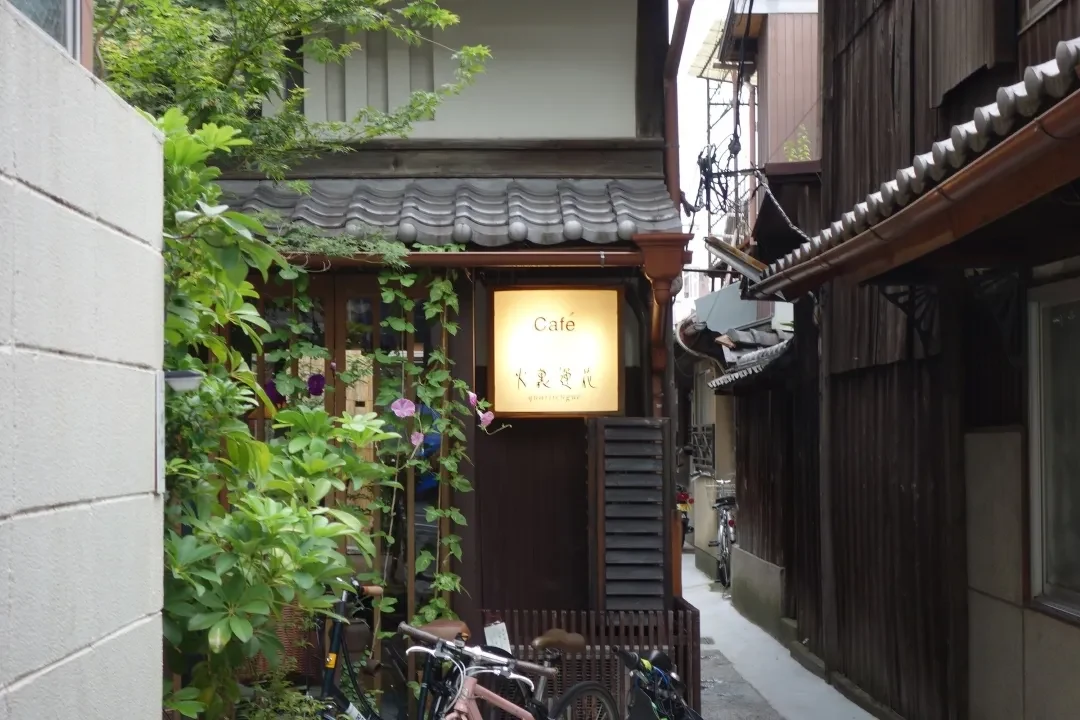
Muffins and cookies come out of the oven every day and lunch is a vegetable curry: Café MALDA is the ground-floor café of MALDA Kyoto, a small hotel and café that opened on Aneyakoji-dori in the Nakagyo area in July 2018. It sits below the guest rooms and shares the Babaghuri-linked philosophy of simple food, handmade objects and close environmental awareness.
Vegetables, Babaghuri and a small daily bake
The compact offer covers freshly baked muffins, handmade cookies and desserts, drinks and a lunch curry. Muffins and cookies are baked in house daily, so the pastry case is routine rather than occasional. Babaghuri signature cookies are central, for eating in or taking away as a gift, which fits Kyoto’s culture of small, portable food souvenirs.
The savoury anchor is a vegetarian curry with many slowly cooked seasonal vegetables. Its background matters: it comes from a favourite at Jürgen Lehl’s company cafeteria, which ties it to Babaghuri food culture rather than to a café trend. Desserts use natural, seasonal ingredients, keeping the menu handmade and restrained.
A casual vegetarian café in Kyoto
Café MALDA is the public face of a small hospitality project rather than a standalone restaurant with a chef-led narrative. The identity combines hotel and café: the café on the ground floor, three private rooms above it, one per floor. The mood is public enough for coffee, sweets, curry or wine, yet tied to intimate lodging rather than to a high-volume dining room.
The philosophy comes from MALDA’s emphasis on experiencing food, clothing and shelter simply and intentionally, with natural materials and handmade values counting for as much as menu breadth. Drinks include organic coffee, herbal tea, Babaghuri’s original blend bean tea, natural wine and, when available, a seasonal soda made with fruit, herbs and citrus from Jürgen Lehl’s Ishigaki farm in Okinawa.
For hotel guests, breakfast extends the same idea: an organic vegetarian meal of seasonal vegetable dishes inherited from that employee cafeteria, served privately in the room. For café visitors, the same vegetable-forward, handmade approach appears in simpler daytime form.
Order the curry, then consider the cookies
Begin with the vegetarian curry for the clearest savoury expression of the kitchen. Slowly cooked seasonal vegetables and the cafeteria lineage make it more specific than a generic vegetable curry. Pair it with organic coffee for the simplest drink, or with Babaghuri’s original blend bean tea for a direct link to the house’s design and goods ecosystem.
For a shorter visit, focus on baked items. Fresh muffins suit a quick stop; Babaghuri signature cookies are the most giftable choice and can also be eaten on the spot. Desserts follow the same natural, seasonal ingredient logic when they appear.
With rooms above and the café below, it works as a calm pause for locals, for travellers and for guests upstairs. The atmosphere is closer to staying with friends than to entering a hotel, so order simply: curry for lunch, then cookies or muffins, with tea, coffee, natural wine or seasonal soda beside them.
Tags
Frequently asked questions
What should you order at Café MALDA?
The vegetarian curry, built on many slowly cooked seasonal vegetables and inherited from Jürgen Lehl’s company cafeteria, is the clearest savoury order. For a shorter visit, take a freshly baked muffin or the Babaghuri signature cookies, which double as a gift. Organic coffee or Babaghuri’s blend bean tea is the natural drink beside either.
Is Café MALDA entirely vegetarian?
Yes. The kitchen is vegetarian and vegetable-forward, from the slow-cooked seasonal curry to desserts made with natural, seasonal ingredients. Drinks run to organic coffee, herbal tea, Babaghuri’s original blend bean tea, natural wine and a seasonal soda made with fruit, herbs and citrus from a farm on Ishigaki.
Compare nearby places
| Venue | Type | Area |
|---|---|---|
| Cafe Karirenge | Café | Nakagyo-ku |
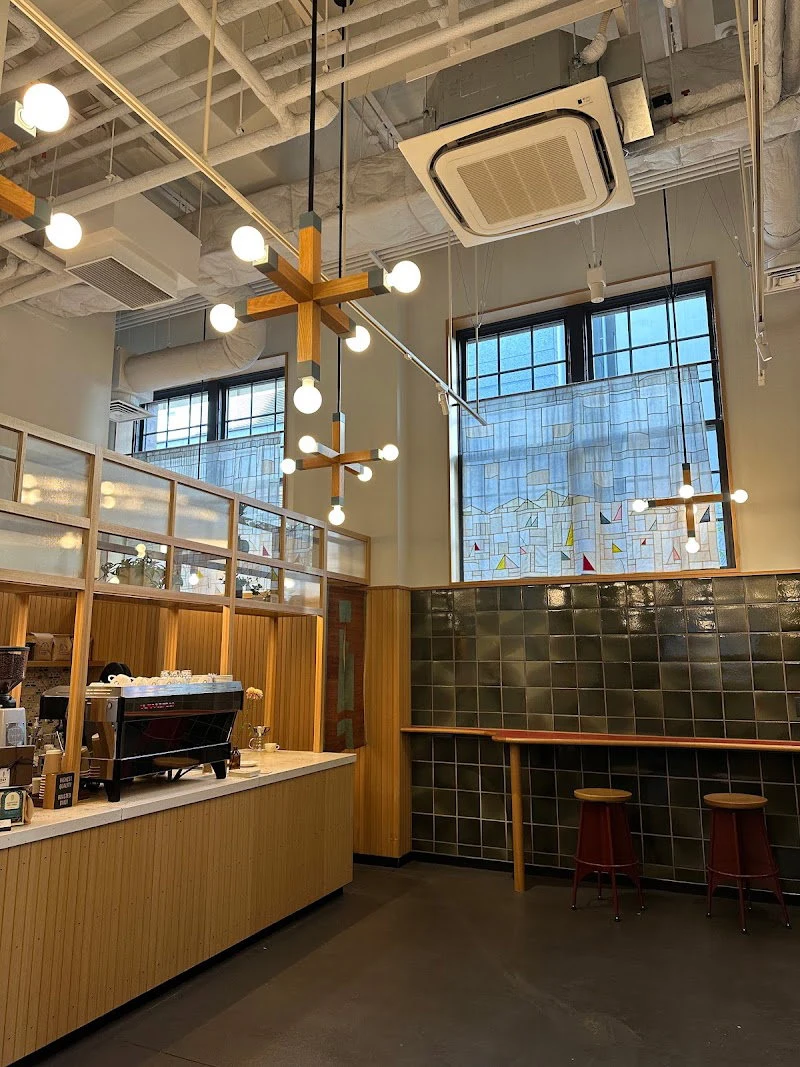
| Stumptown Coffee Roasters | Café | — |
| Salon de the m.s.h | Café | Nakagyo Ward |
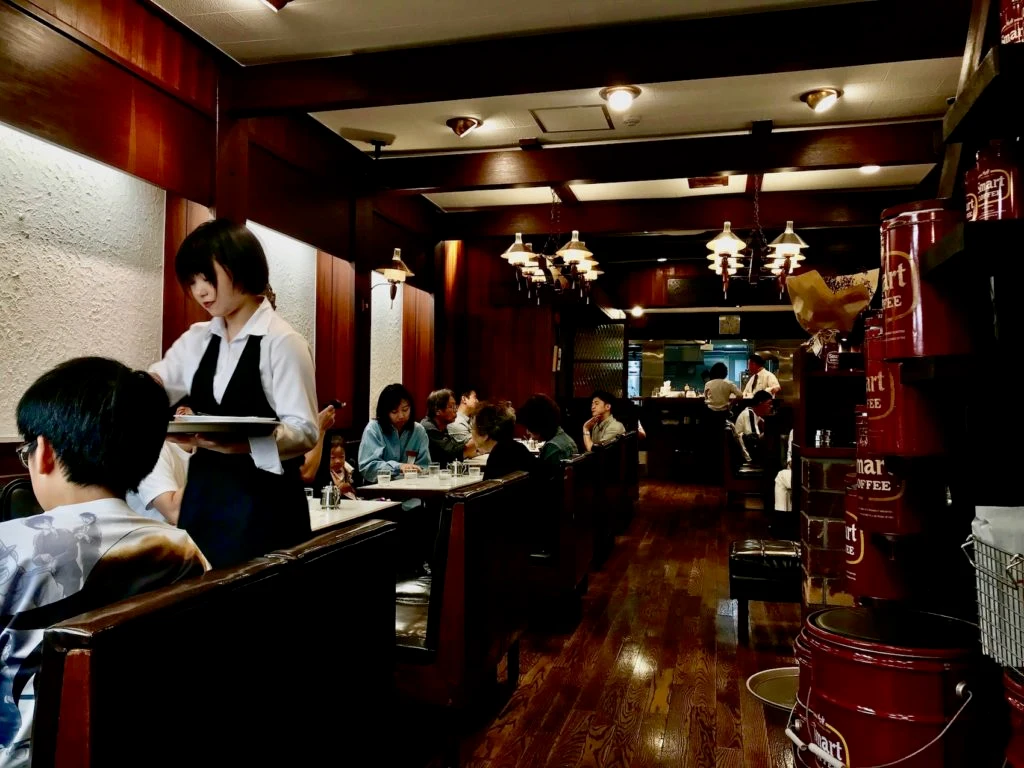
| Smart Coffee | Café | Downtown / Teramachi Shopping Arcade |
| Shirohato Bakery | Bakery | Nakagyo Ward |