Jingumae / Aoyama / Harajuku

Cafe Casa

CafeCoffee Bar4.0 on GoogleAbout $15 a head
Cafe Casa

Why go

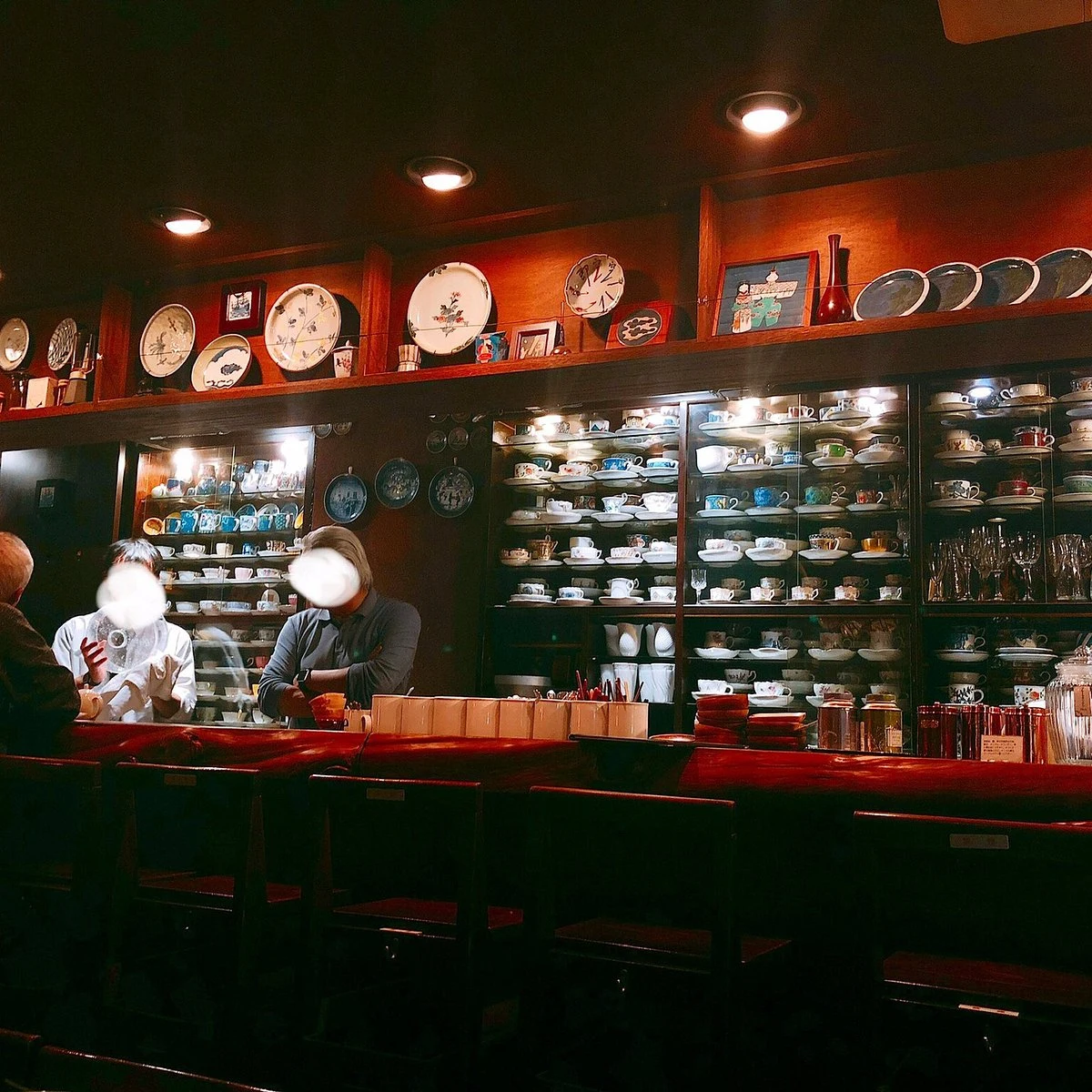
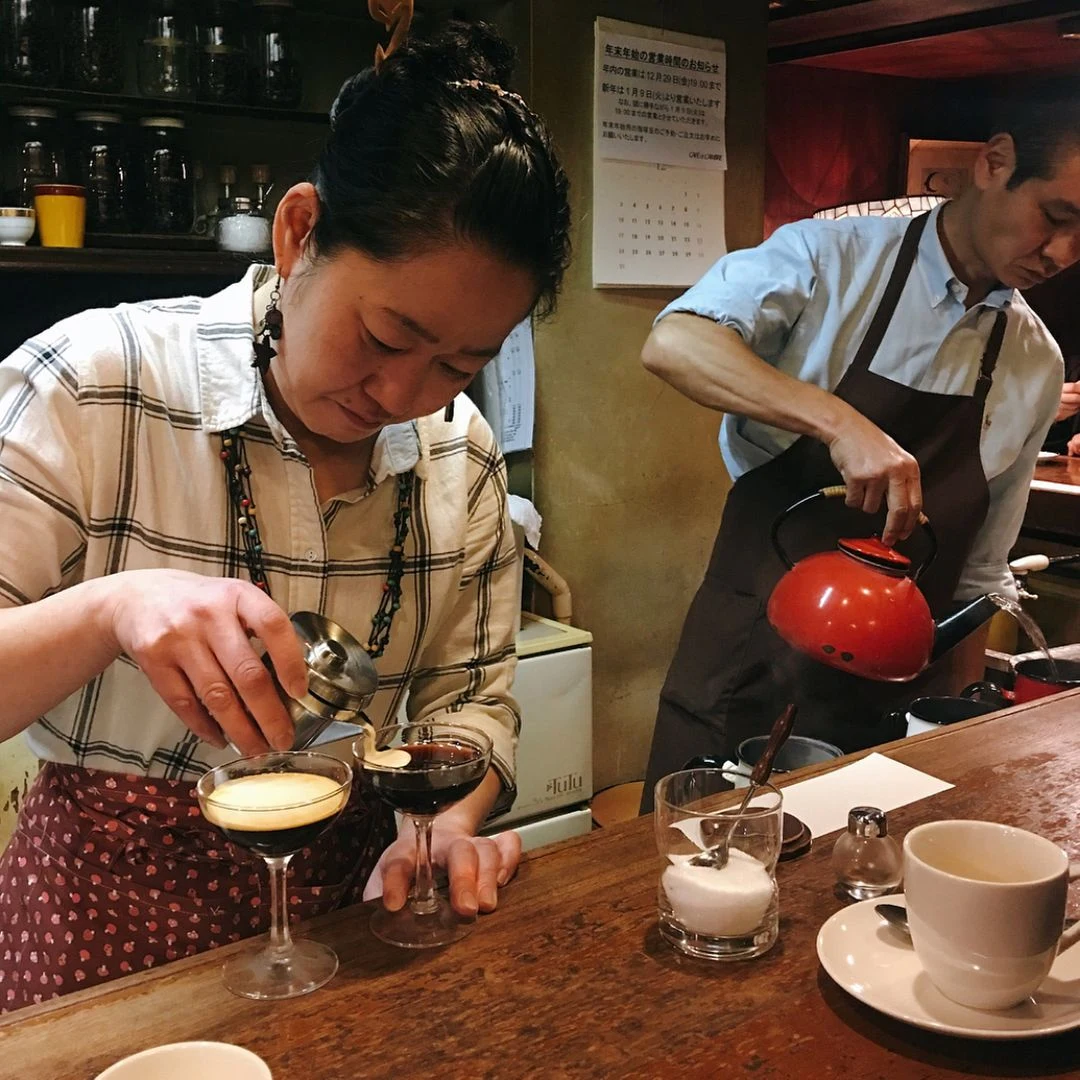
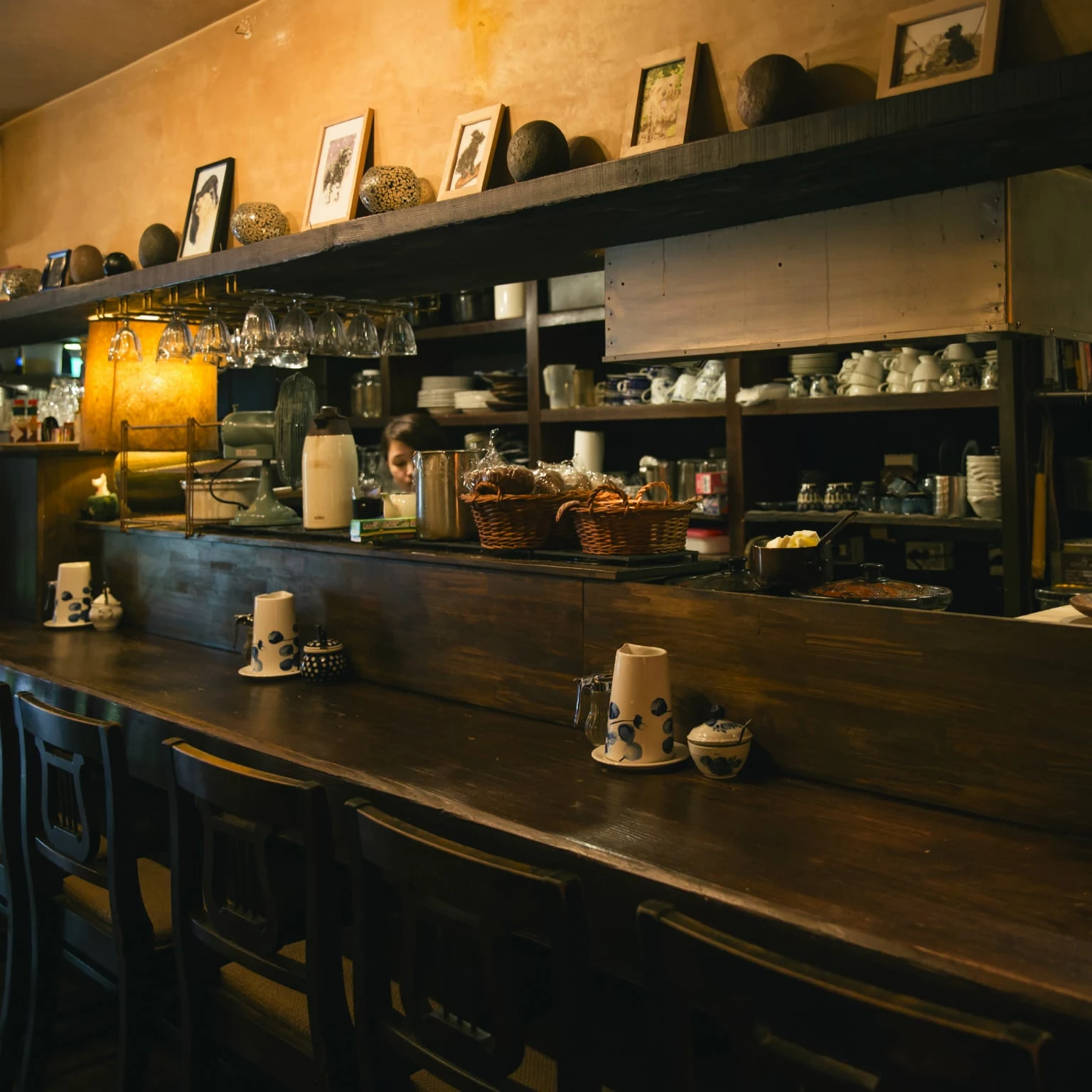
Jingumae changes register quickly around Gaienmae: stadium traffic, design offices, small retail frontage, then the quieter rhythm of an old-style coffee shop. Cafe Casa fits that pocket of Tokyo where the café is not a laptop lounge or a dessert showroom, but a compact social room built around counter seats, tables, coffee, pancakes, and the slower habits of the kissaten. The mood is daytime first. Evening exists on the schedule, but the argument here is strongest when lunch has drifted into an afternoon break and the city has not yet turned toward dinner.

Tokyo’s kissaten culture has always sat apart from restaurant culture. It values repetition over novelty, regularity over performance, and a bill that leaves room for a second stop later in the day. That makes Cafe Casa a useful counterpoint to the city’s reservation-led dining economy. It was selected for Tabelog 100 Kissaten in 2022, a credential that matters because the list is category-specific: the comparison is not with sushi counters or French tasting rooms, but with Japanese coffee shops where atmosphere, sweets, and daily usefulness carry the weight.

Lunch is the stronger read; dinner is the quieter extension

The lunch-versus-dinner divide in Tokyo cafés is not only about menu size. It is about what the room is asked to do. At midday, a kissaten can be a meal, a pause, and a neighbourhood marker in one sitting. Later, especially in areas near Aoyama and Jingumae, the city pulls diners toward yakitori, tonkatsu, Italian, and bar programs. Cafe Casa’s categories, kissa, bar, and pancake, make sense in that in-between space, but its centre of gravity remains lunch and afternoon.

That is where the value logic becomes clearest. A modest kissaten spend in Tokyo buys time as much as food: a seat, a drink, and something sweet or simple without the choreography of a full restaurant service. The format also suits solo dining and small catch-ups, which is why old-school cafés remain useful in neighbourhoods that have become progressively more expensive. In the same city, a place such as 124. KAGURAZAKA (Yakitori) speaks to a narrower dinner ritual, while 3 Chome no Curry Ya San belongs to a different kind of everyday meal. Cafe Casa sits between those poles: lower ceremony than dinner, more rooted than a grab-and-go café.

The presence of pancakes is significant without needing to turn the page into dessert worship. Tokyo has a deep pancake subculture, from retro griddle cakes to taller contemporary versions, and kissaten have long treated sweets as legitimate afternoon food rather than a postscript. The category listing points to that tradition. The smarter use is not to force it into a special-occasion slot, but to treat it as a daytime stop in a broader Aoyama or Harajuku circuit.

A compact kissaten in a city of specialized dining rooms

Tokyo rewards specialization. A visitor can build an entire day from single-purpose rooms: coffee, curry, tonkatsu, yakitori, sake, dessert. Cafe Casa’s appeal is that it belongs to an older, less segmented model. Thirty seats across counter and table seating gives it enough scale to feel public, but not enough to behave like a large café chain. The no-reservations format reinforces the casual grammar: timing matters, patience helps, and the room works better for a small party than a group plan.

That places it outside the competitive set of Tokyo’s trophy meals. Compared with BRAMASOLE or リストランテ ホンダ, the question is not culinary ambition in the restaurant sense. Compared with Yakitori Imai or Tonkatsu Nanaido, it is not a single-dish craft temple. The relevant comparison is category discipline: does the room preserve the kissaten’s purpose in a neighbourhood where cafés often become either design objects or queue-driven dessert stops? Its Tabelog 3.69 score and 2022 kissaten selection suggest durable local recognition rather than novelty heat.

For travellers mapping Tokyo by category, Cafe Casa works as a soft landing between more scheduled meals. Pair it with the broader city index rather than treating it as a standalone pilgrimage: Our full Tokyo restaurants guide is the useful spine, while Our full Tokyo bars guide, Our full Tokyo hotels guide, Our full Tokyo experiences guide, and Our full Tokyo wineries guide cover the surrounding decisions. A day can move from a low-key café seat to dinner formats as different as. 鮪と炭火焼き うお炭 秋葉原店, 12/10 Shinjuku ten, or the graphic café theatre of 2D Cafe.

How to read it against Japan's wider café map

Japan’s café culture is not one thing. Osaka, Kyoto, Kumamoto, Sapporo, and the Tokyo suburbs each bend the form toward different habits: design café, curry counter, quiet bar-adjacent room, regional coffee stop. That broader map helps explain why a Jingumae kissaten should not be judged by the language of formal restaurants. It is a category with its own codes: approachable pricing, limited seating, non-smoking comfort, and a rhythm that favours the middle of the day.

For cross-city context, compare the impulse rather than the menu:.cafe in Osaka reads as part of Japan’s café spread, while [ki:] in Kyoto,.know in Kumamoto, and [Curry Senmon Ten] Maruyama Kyoju. in Sapporo show how narrow formats become local anchors. The same logic extends beyond Japan through Japanese-adjacent dining abroad, from Jōdo Saké Bar in Los Angeles to Onigiri Time in Pasadena. Even (Shoku) Vietnam in Kawasaki and -Grilled beef Sukiyaki- KAMAKURA TANUKIAN 鎌倉 たぬき庵 in Kamakura underline the same editorial point: small Japanese dining rooms often make their case through specificity, not spectacle.

The practical conclusion is simple. Cafe Casa is strongest as a daytime Jingumae stop for coffee-shop pacing, pancakes, and a modest meal, with Tabelog category recognition lending confidence. It is not the place to solve a grand dinner in Tokyo. It is the place to understand why the city’s quieter food traditions remain useful, even beside its more theatrical restaurants.

Tags

CozyClassicHidden GemIntimateSoloCasual HangoutAfter WorkDate NightStandaloneHistoric Building
Cafe Casa — Artefice