Why go
Beans hand-picked, roasted to the variety
The roasting decides everything here. Beans come from established farms on fair trade terms, are roasted anywhere from dark to light depending on what the variety wants, and are hand-picked more than once to take out the defects before they reach a grinder. CAFE BAHNHOF is the company's main factory store in Fukushima, where Bahnhof started in 2003, and it does several jobs at once: cups brewed to order, beans and equipment to take home, gifts, sweets and coffee classes. The people behind the counter are SCAJ-certified coffee masters, trained in bean knowledge, tasting, roasting and extraction, which is why asking them what to drink is a reasonable way to order.
A factory store more than a sitting room
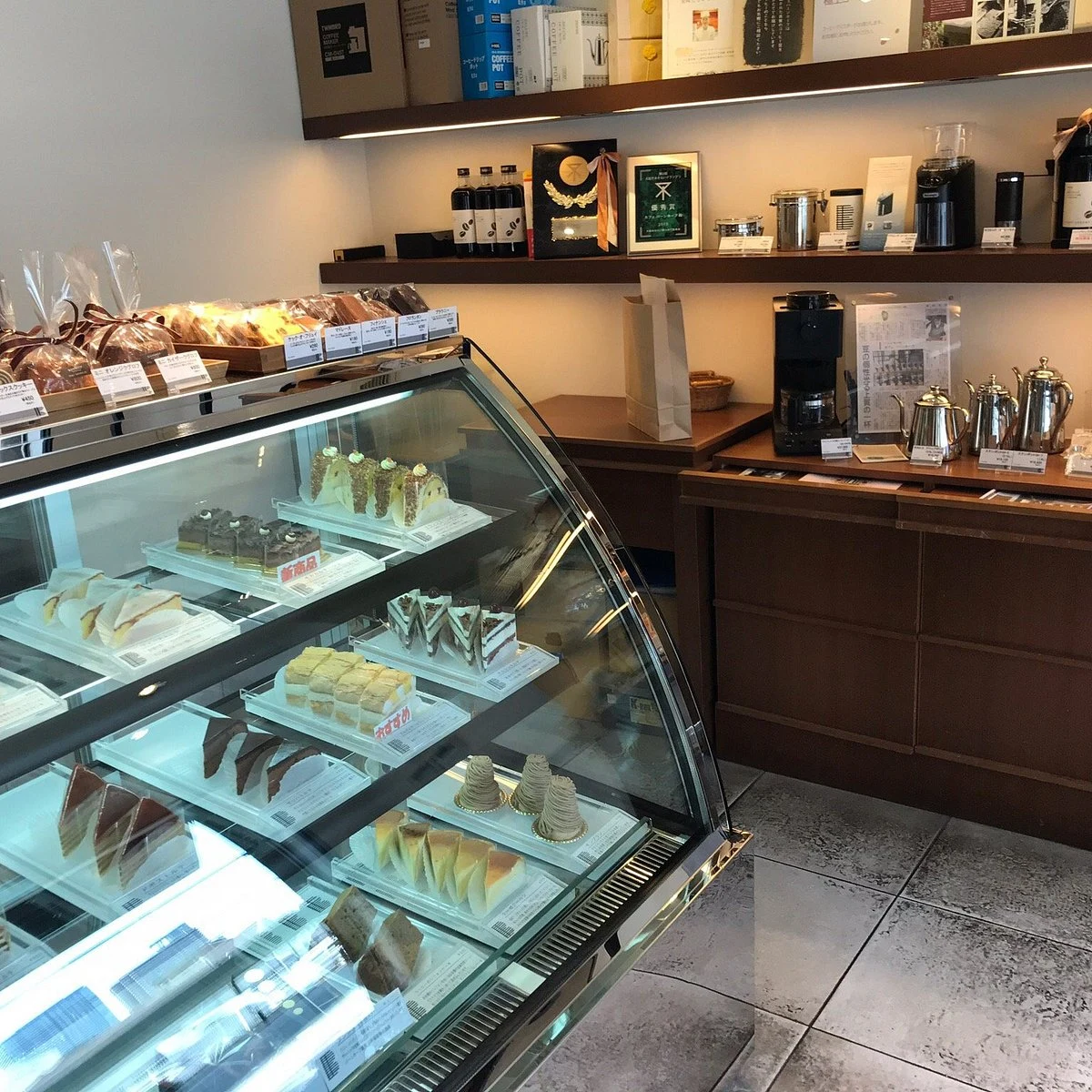
The description that fits is factory store rather than café. Production, retail and cup service happen in the same place, so a visit can be a coffee, a bag of beans, a brewer, a gift box, or all four at once. What shapes the atmosphere is not dining-room theater but the work at the counter: careful extraction, specific answers, one cup made at a time. Sweets are made in house under a pastry chef and exist to go with the coffee rather than compete with it, with a recommended sweet each day. Coffee classes belong to the same idea, teaching the route from the cup back to the bean under the coffee masters.
The order is coffee, beans, then a sweet
Start with the coffee, brewed to order and poured by hand. What is worth asking about is the work behind it: which farm, which roast level was chosen for the variety, how the cup was extracted. That conversation is the real product here, more than any single named drink. Beans are the natural second step and the obvious one for anyone who wants the same roasting logic to continue at home, and the staff will match a roast to the way you brew. Finish with whatever sweet is recommended that day, made in house and built to sit beside the coffee rather than to stand alone. The shape of the order rarely changes: cup first, beans second, something sweet to close.
Tags
Frequently asked questions
What should I order at CAFE BAHNHOF?
Coffee first, brewed to order at the counter, and it is worth asking which farm and roast level you are drinking, since the beans are roasted from dark to light according to the variety. Then buy beans to take home, and finish with the sweet recommended that day, made in house to go with coffee.
What makes the coffee different here?
The sourcing and the sorting. Beans come from established farms on fair trade terms, are roasted from dark to light depending on the variety, and are hand-picked more than once to remove defects. The counter is staffed by SCAJ-certified coffee masters trained in bean knowledge, tasting, roasting and extraction.
Compare nearby places
| Venue | Type | Area |
|---|---|---|
| Patisserie Crochet | Bakery | Fukushima Ward |
| Takamura Wine & Coffee Roasters | Café | Nishi-ku |
| CHOCOLATERIE PATISSERIE SOLILITE | Bakery | Edobori, Nishi-ku |
| Cafe AMADEUS STORY | Café | Nakanoshima |
| cocoo cafe | Café | Hommachi / Utsubo Park area |