Why go
Three families define the case at Pâtisserie Crochet: cakes, baked sweets and chocolate. That is the whole scope, and it keeps this Osaka shop in the pâtisserie lane rather than the café one. The name borrows the French word for crochet, and the house explains itself through the image of a single thread worked into fabric, sweets that put a room at ease. It was ranked number 91 on the Tabelog 100 in 2023.
Cakes, chocolate and a named cheesecake
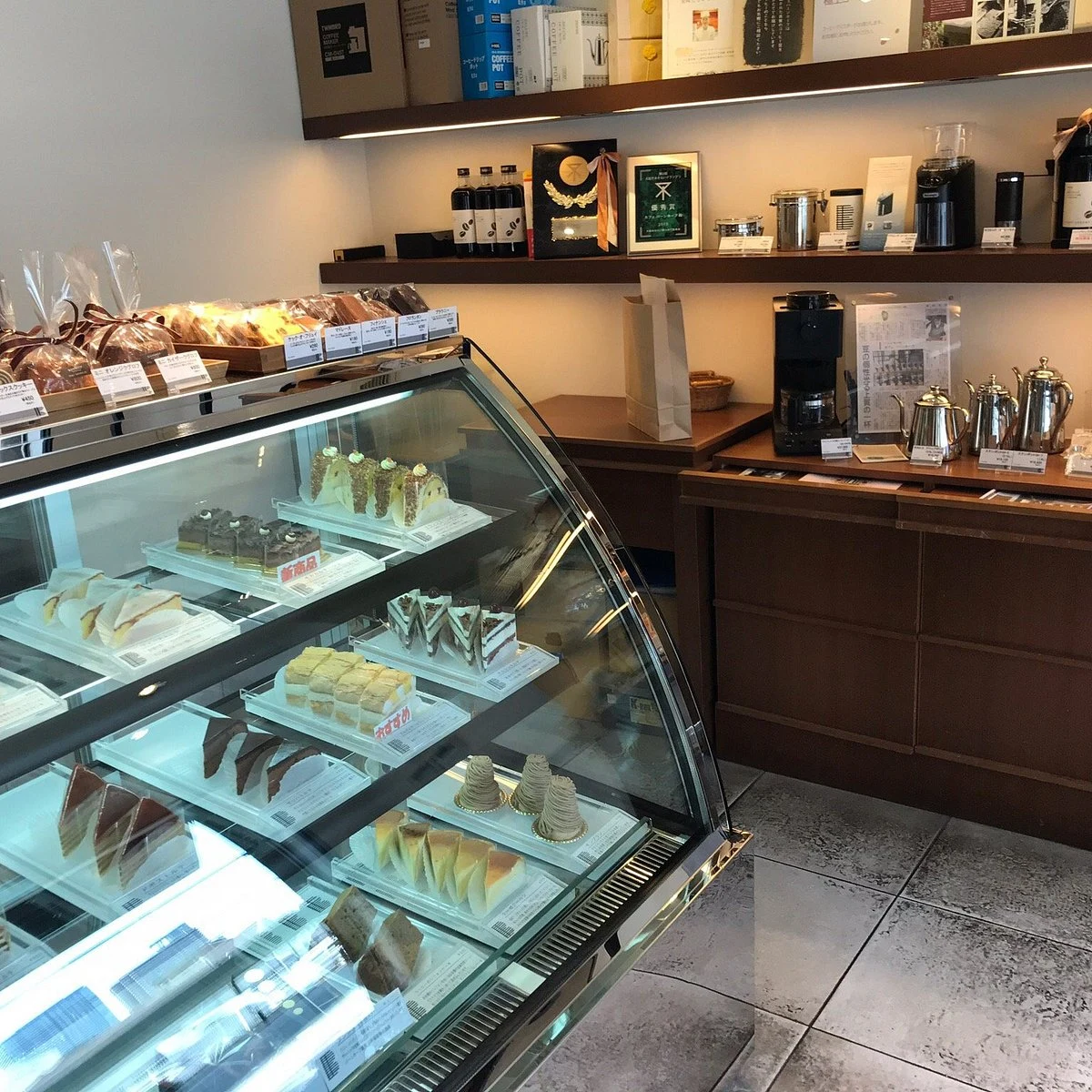
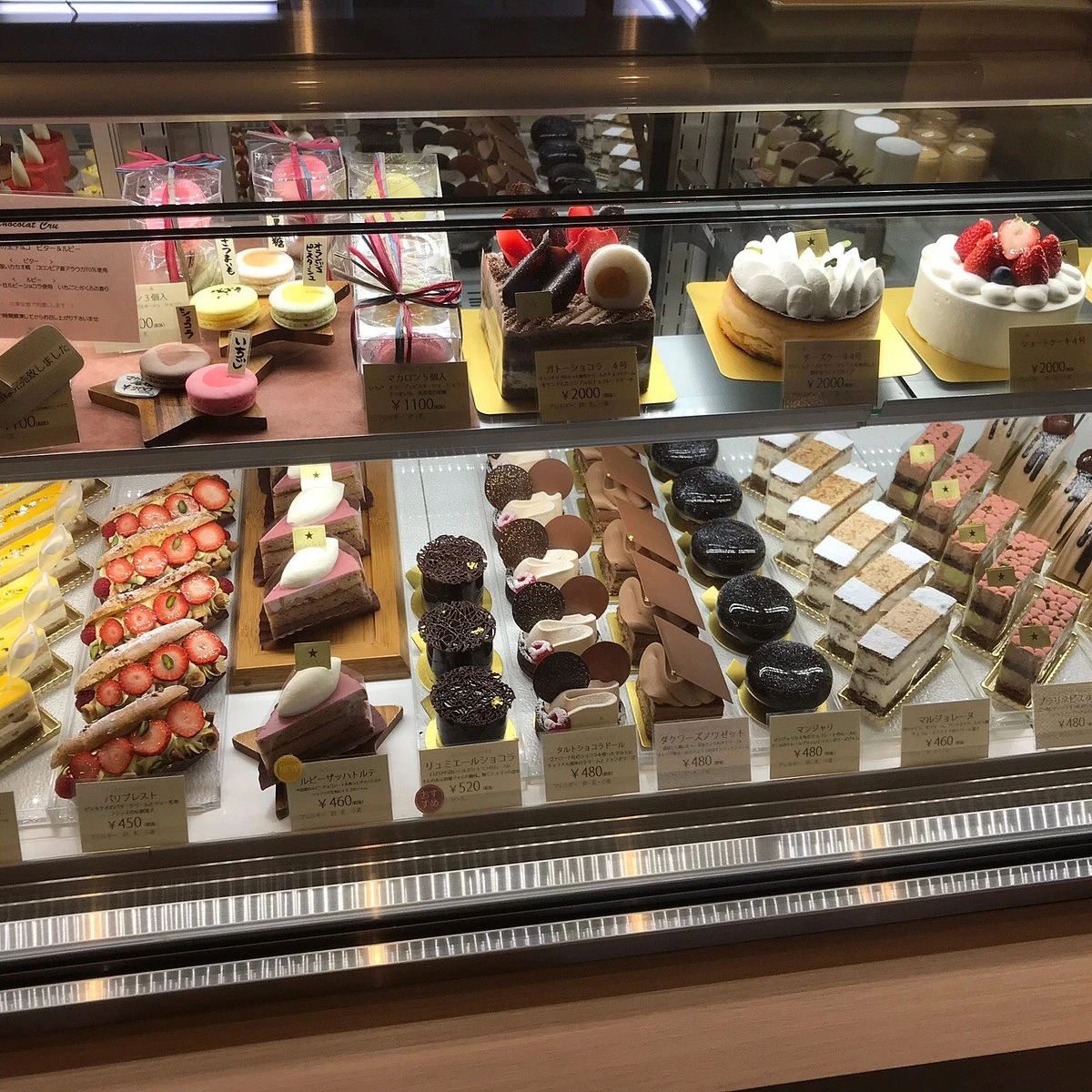
The individual pieces map the counter neatly. Fruit Tart and Strawberry Shortcake place the shop in the familiar Japanese cake-shop tradition, where fruit and cream do most of the work. Crochet's Cheesecake gives the house its self-named anchor, the one piece carrying the shop's own name.
Lumière Chocolat points to the chocolate side, and it is not alone: Clos, Olive et Cacao and the Crochet Collection round out the chocolate and gift end of the range. Between them the shop balances classic pastry formats with house-branded assortments, so a visit can end with a single fresh cake or with a box built to be given away.
A case made for choosing
The rhythm is retail first. Guests study the case, choose cakes, baked sweets or chocolate, and leave with a box. Everyday buying and celebration buying run on separate tracks: decorated cakes and illustration cakes are planned ahead and collected in the shop, while the standard case handles the rest of the week.
The range is not static either. Shaved ice appears when the season turns, and the small production changes are the ones that matter in pastry: macarons cased individually, boxes reworked, seasonal pieces cycling through the shelf. Nothing about the shop suggests a long sit. It is a neighbourhood counter with a narrow, well-kept craft.
Start with Crochet's Cheesecake
Crochet's Cheesecake is the direct read on the house, since it carries the shop's name while staying an everyday order. From there, choose by appetite: Fruit Tart when fruit should lead, Strawberry Shortcake for the classic, Lumière Chocolat when chocolate should.
For giving, the Baked Sweets Box is the practical choice and the Crochet Collection the broader one. Chocolate-led buyers can take Clos or Olive et Cacao. If the visit is for a birthday or an anniversary, the decorated and illustration cakes are the route, planned in advance rather than picked off the shelf. The thread-and-fabric image is a fair description of the result: a small Fukushima pâtisserie with cakes, chocolate and gift boxes woven into ordinary weeks.
Frequently asked questions
What should I order at Pâtisserie Crochet?
Crochet's Cheesecake, because it carries the shop's own name and stays an everyday order rather than an occasion piece. Fruit Tart is the choice when fruit should lead and Strawberry Shortcake the familiar Japanese classic. For chocolate, Lumière Chocolat is the named piece, with Clos and Olive et Cacao beside it.
Can I order a cake for a celebration?
Yes. Decorated cakes and illustration cakes are handled as planned orders and collected in the shop, separately from the everyday case. The standard range of cakes, baked sweets and chocolate is bought on the day, and the Baked Sweets Box or the Crochet Collection covers gifting when a whole cake is more than you need.
Compare nearby places
| Venue | Type | Area |
|---|---|---|
| CAFE BAHNHOF | Café | Fukushima Ward |
| Cafe AMADEUS STORY | Café | Nakanoshima |
| BOULANGERIE BURDIGALA Oosaka ten | Bakery | Umeda |
| The Grand Cafe | Café | Umeda |
| Takamura Wine & Coffee Roasters | Café | Nishi-ku |