Miyacho, Kumagaya

boulangerie Matsuoka

BakeryAbout $7 a head
boulangerie Matsuoka

Why go

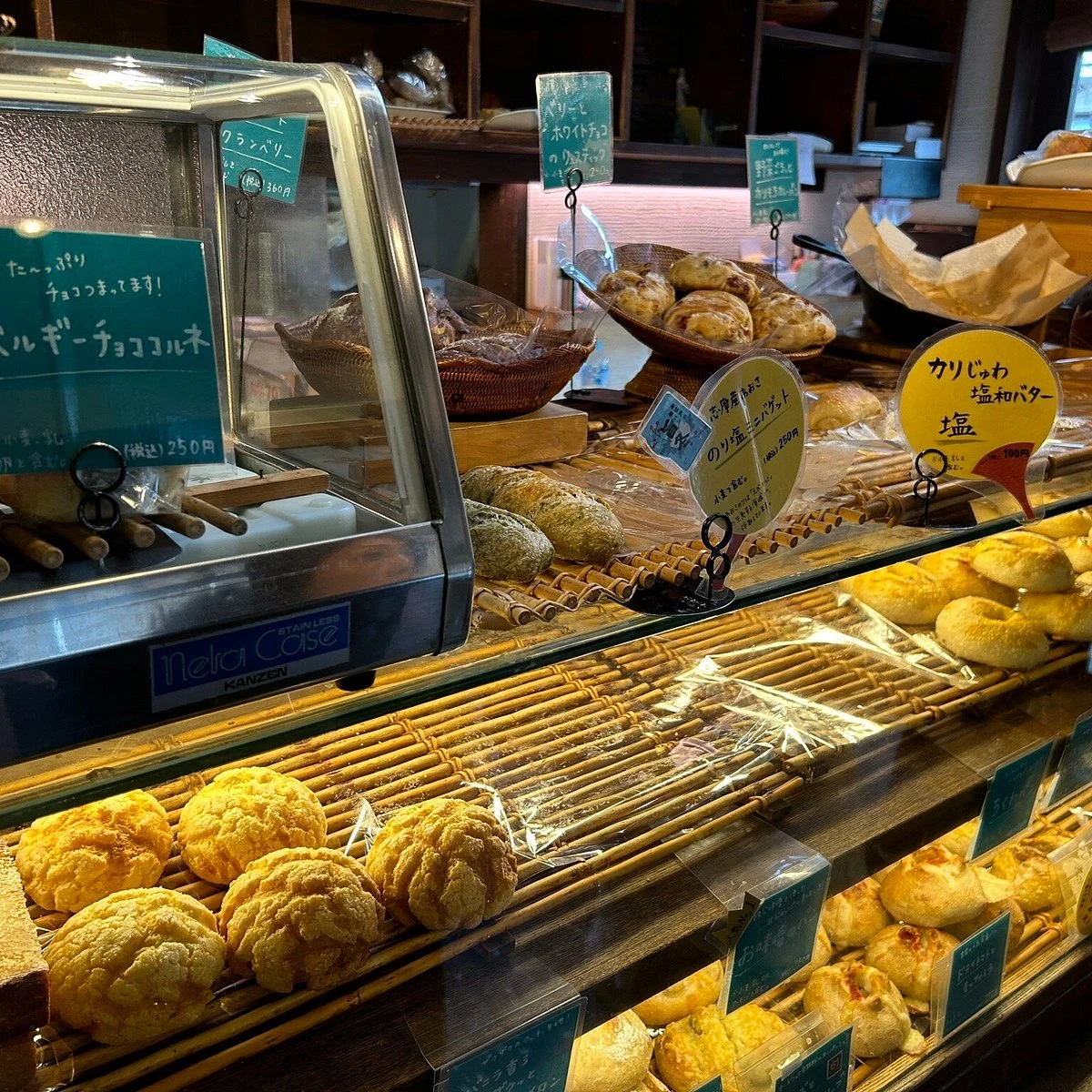
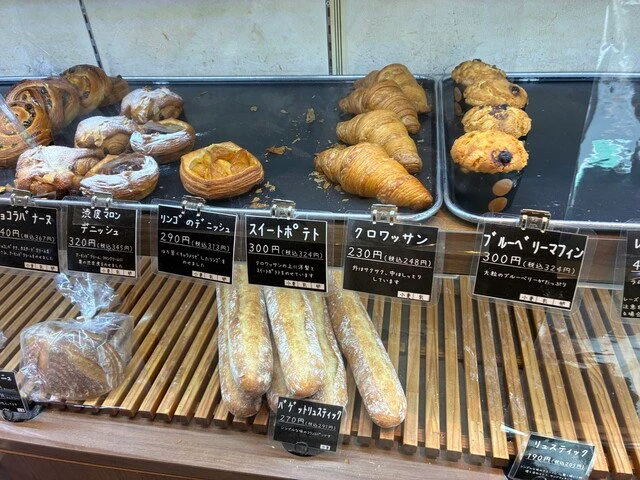
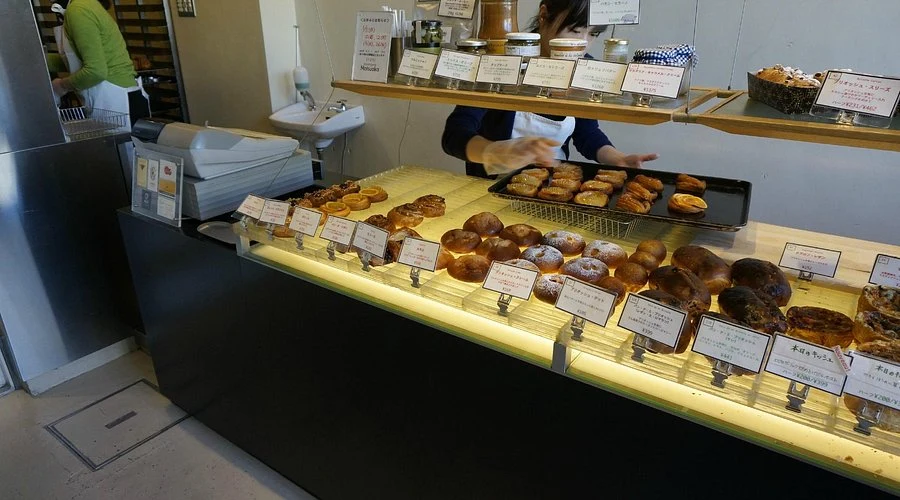
Approaching a serious Japanese bakery in a commuter city is different from arriving at a restaurant with a reservation book and a maître d’. The signals are smaller: a compact frontage, a queue that moves by habit, trays in hand, and the quiet pressure of shelves that thin as the day goes on. In Kumagaya, where daily life is tied to rail movement and local shopping streets rather than destination dining spectacle, bread buying remains a practical ritual. boulangerie Matsuoka fits that rhythm: take-out only, bread and sandwiches, with recognition from Tabelog Bread EAST “Tabelog 100” in both 2020 and 2022 placing it in a more selective regional category than its modest format suggests.

Regional bread culture, judged by repetition rather than theatre

Japan’s bakery scene has long absorbed French technique, convenience-store discipline, and local snacking habits into a format that can be judged quickly and often. A good bakery is not only a place for a special purchase; it is measured by what locals return for on ordinary days. That matters in Saitama, where the competitive set is less about luxury dining rooms and more about consistency at commuter-city prices. The listed spend here sits below ¥999, which puts the decision in the same mental category as a daily lunch or train-station errand rather than a planned restaurant outing.

The Tabelog Bread EAST selection is the useful trust signal. It does not turn a neighbourhood bakery into a formal dining address, and it should not be read like a Michelin star. It does, however, indicate that the shop has been assessed within a broad eastern Japan bakery field, where small-scale production and repeat customer approval carry weight. In a city with casual options such as Golden Tiger and Kuma Tamaya also operating in low-price territory, the point of difference is category: bread asks to be bought early, carried away, and eaten on the day, not lingered over through courses.

Ingredient choices matter more when the format is this simple

Bakeries reveal sourcing discipline faster than restaurants because there is little to hide behind. Flour quality, fermentation, butter use, fillings, sandwich structure, and the timing of each bake all show in a product designed for immediate purchase. Specific producers and named ingredients are not publicly listed here, so the sharper reading is by format: a bread-and-sandwich shop selected in a regional bakery list is being judged on fundamentals rather than table service, plating, or beverage pairing. In this category, the craft sits in dough management, balance, and the ability to keep a counter persuasive across the day.

That makes boulangerie Matsuoka a useful Kumagaya address for travellers who read food cities through daily habits. Tokyo and Kyoto can make bakery culture feel like a trend imported into polished retail spaces; regional cities often show the form with less performance. The take-out model also changes the way a visitor should think about timing. Bread shops with finite production reward earlier arrival, and the experience is closer to market shopping than restaurant dining: choice narrows as regulars buy through the day. The result is a small but telling window into how western-style bread has become part of Japanese routine.

There is also a price lesson here. Under-¥999 bread buying sits far from the premium tasting-menu economy, yet it can carry serious editorial value. A bakery selected for a regional Tabelog bread list at this spend level says something about Japan’s unusually demanding casual food culture. The country’s low-cost categories, from ramen counters to bakeries and onigiri shops, often develop sharper standards because customers compare them frequently. For a wider view of nearby dining, the Our full Kumagaya restaurants guide helps place this stop alongside the city’s casual tables; for trip planning beyond food, see Our full Kumagaya hotels guide, Our full Kumagaya bars guide, Our full Kumagaya wineries guide, and Our full Kumagaya experiences guide.

How to read it within a Japan itinerary

The strongest reason to include this bakery is not rarity for its own sake. It is the contrast it gives to a Japan itinerary otherwise dominated by reservations, counters, and set-course meals. A stop here suits travellers who care about the infrastructure of eating: where office workers buy lunch, how regional cities absorb foreign baking traditions, and why a low-ticket purchase can be more revealing than another formal dinner. The absence of reservations reinforces that role. This is not a table to secure months ahead; it is a timing-sensitive errand that rewards flexibility.

Seen against broader EP Club coverage, Kumagaya’s bakery culture occupies a different register from destination restaurants such as -Grilled beef Sukiyaki- KAMAKURA TANUKIAN 鎌倉 たぬき庵 in Kamakura, urban seafood-and-grill formats like . 鮪と炭火焼き うお炭 秋葉原店 in Tokyo, or café-led city stops such as.cafe in Osaka and.know in Kumamoto. It also differs from specialist casual formats including (Shoku) Vietnam in Kawasaki, [Curry Senmon Ten] Maruyama Kyoju. in Sapporo, [ki:] in Kyoto, #肉といえば松田 奈良本店 in Kashihara, and 1/3 HAMBURGER FACTORY in Kanazawa. Even overseas Japanese-leaning addresses such as Jōdo Saké Bar in Los Angeles and Onigiri Time in Pasadena underline the same point: casual formats can carry as much cultural information as formal rooms when the craft is specific and the audience is repeat-driven.

For Kumagaya, boulangerie Matsuoka is therefore less a detour than a calibration point. It shows how a small bakery can sit inside a recognised regional bread field while remaining priced for ordinary use. That combination, award-listed but everyday, is exactly where Japan’s casual food culture often becomes clearest.

Tags

CozyModernTrendyHidden GemSoloCasual HangoutAfter WorkStandaloneDesign Destination