Futako-Tamagawa

Antica Gelateria Tamagawa ten

CafeGelateria4.2 on GoogleAbout $8 a head
Antica Gelateria Tamagawa ten

Why go

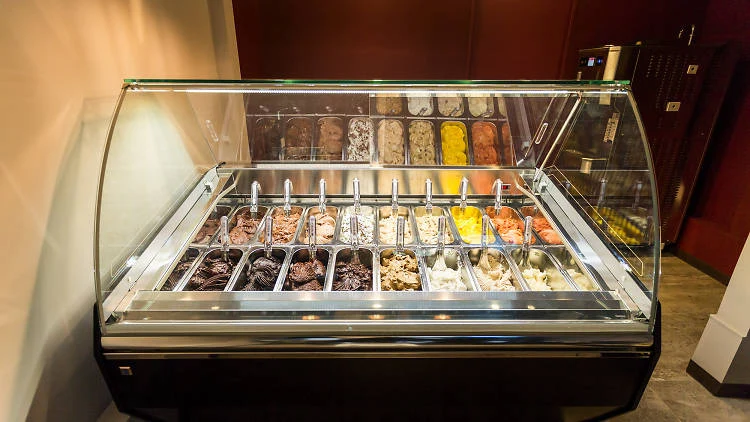
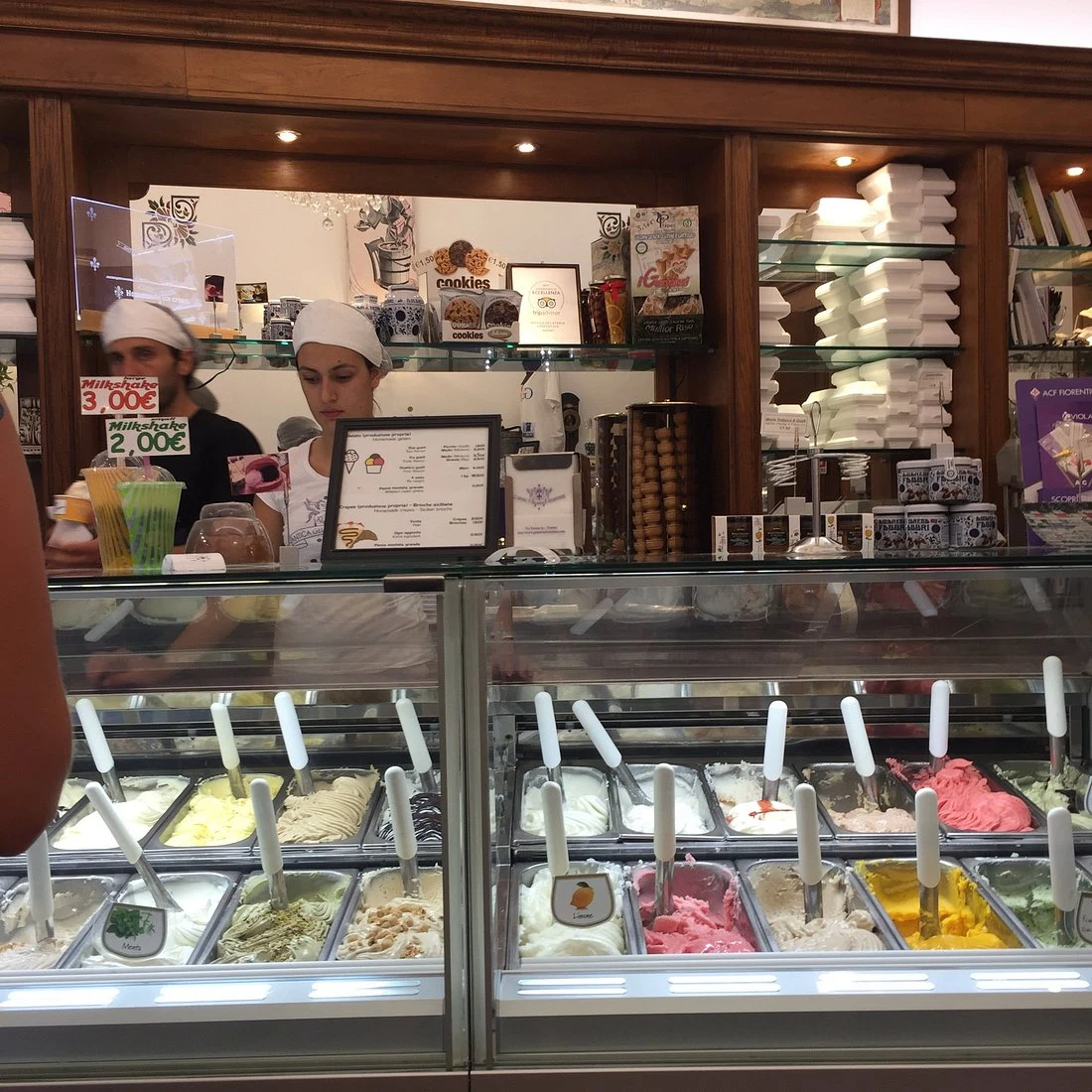
Basement food halls in Tokyo have their own tempo: polished floors, bright counters, purposeful shoppers, and small dessert stops built for precision rather than lingering. In Futako-Tamagawa, the department-store basement is not a compromise; it is part of the city’s eating grammar. Gelato and ice cream become a compact pause between errands, train transfers, and riverside plans, with the room doing as much work as the menu. A small counter, a few benches, and take-out service place the experience closer to Tokyo’s depachika rhythm than to a stand-alone café.

Antica Gelateria Tamagawa ten fits that format neatly. Recognition in Tabelog 100 Ice cream / Gelato 2023 puts it on a national shortlist for a category Japan often judges with the same seriousness applied to ramen, curry, sushi, and pâtisserie. The appeal is not grandeur but scale: a low-friction dessert stop with enough critical signal to separate it from anonymous mall sweets, yet the restraint of a department-store counter.

A basement counter shaped by Tokyo's depachika discipline

Tokyo’s department-store food floors reward compact design. Space is expensive, customers move quickly, and the strongest counters state their purpose before the register. Gelato suits that environment: it does not need a long table, a multi-course arc, or ceremony. It needs visibility, speed, temperature control, and a clear decision point.

The seating arrangement reinforces the logic: 12 seats, arranged as four benches for small groups. That keeps the space from becoming a conventional café. Read it as a dessert counter with a short-stay option, useful for families, pairs of friends, and solo shoppers who want a pause without committing to a meal. Take-out service sharpens the point. This is not built around possession of a table, but around turnover, clarity, and Tokyo’s habit of eating well in small increments.

Futako-Tamagawa adds another layer. The area sits apart from denser central restaurant corridors around Ginza, Shinjuku, and Akasaka, with dining culture tied to residential ease, shopping, and weekend movement along the Tama River. Here, a recognized gelato counter inside a major retail building reads differently from a destination dessert room in the city center. It serves the neighborhood’s daily pattern rather than asking the neighborhood to rearrange itself around dinner.

Where gelato sits in Tokyo's serious casual tier

Tokyo’s casual food scene has never treated small formats as lesser formats. A curry shop, onigiri counter, coffee room, or gelato case can draw the same obsessive attention larger restaurants spend on service choreography. An award list devoted to ice cream and gelato carries editorial weight because it recognizes a category where texture, storage, sweetness, and speed are judged in a narrow field, not as dessert afterthoughts.

The city also separates price from seriousness more cleanly than many dining capitals. A counter can sit in a modest spending bracket and still belong to a tightly judged category. Antica Gelateria Tamagawa ten is useful because it avoids the financial or scheduling commitment of Tokyo’s harder restaurant bookings. Its value is situational: a reliable dessert stop inside a controlled retail environment, with external recognition in a category where many venues blur into convenience.

That distinction becomes clearer beside nearby and citywide peers. Cafe Lisette Futakotamagawa ten occupies the more conventional café lane in the same area, with a higher casual spend bracket and a room likely suited to longer sitting. Accha Kana, also in Tokyo, sits in a separate casual bracket again. At the other end of the spectrum, Sushi Kimura and Maeshiba Ryoriten represent reservation-led meals where the room, bill, and time commitment change the calculation. The gelato counter belongs to another Tokyo pleasure: short, specific, and easy to fold into the day.

For readers mapping Tokyo by format rather than cuisine alone, the distinction matters. A dessert counter in Setagaya does not compete with a sushi counter any more than a hotel bar competes with a coffee stand. It answers a different question: where can a well-edited stop fit between larger meals, museum plans, shopping, or a river walk?

How to use it in a Tokyo itinerary

The strongest case for this address is not as a standalone cross-town pilgrimage. It works well as part of a Futako-Tamagawa day, especially when the plan already includes the department store, the station area, or the Tama River side of Setagaya. Futako-Tamagawa Station is the nearest rail anchor, making the counter easy to pair with a west-side Tokyo route rather than a central dining crawl.

That practicality is part of the appeal. Reservations are unavailable, the format is casual, and the small footprint keeps expectations calibrated. Treat it as a precise dessert interlude, not a lingering afternoon salon. Payment flexibility also suits the setting: cards, transport IC, and QR code options fit the quick-service rhythm common across Tokyo retail dining.

EP Club readers planning around Tokyo’s broader food map can use it as a low-commitment contrast to heavier bookings. For restaurants in the capital, see Our full Tokyo restaurants guide; for stays, Our full Tokyo hotels guide; for drinks, Our full Tokyo bars guide; for wine context, Our full Tokyo wineries guide; and for cultural planning, Our full Tokyo experiences guide.

Within Tokyo’s casual dining spread, it pairs conceptually with small-format addresses such as 2D Cafe, 3 Chome no Curry Ya San, 12/10 Shinjuku ten, 124. KAGURAZAKA (Yakitori), and. 鮪と炭火焼き うお炭 秋葉原店. For a wider Japan-and-beyond lens on compact food formats, compare -Grilled beef Sukiyaki- KAMAKURA TANUKIAN 鎌倉 たぬき庵 in Kamakura,.cafe in Osaka,.know in Kumamoto, (Shoku) Vietnam in Kawasaki, [Curry Senmon Ten] Maruyama Kyoju. in Sapporo, [ki:] in Kyoto, Jōdo Saké Bar in Los Angeles, and Onigiri Time in Pasadena.

Tags

Hidden GemCozyClassicSoloStandalone