Tân Lợi

Typika Cafe & Craft Beer

CafeSpecialty Coffee Shop4.9 on Google
Typika Cafe & Craft Beer

Why go

Coffee Country, Reimagined at the Glass

Buon Ma Thuot sits at the center of Vietnam's coffee economy. The Dak Lak province produces more arabica and robusta than any other region in the country, and the city's cafes reflect that heritage in everything from roadside phin-filter stalls to increasingly considered specialty roasters. Against that backdrop, a cafe-and-craft-beer hybrid represents a particular editorial statement: that Buon Ma Thuot's drinking culture is diversifying beyond the crop that built it. Typika Cafe & Craft Beer on Nguyen Nhac, in the Tan Loi district, occupies that transitional space, operating as both a coffee address and a venue where locally influenced craft beer shares the counter.

The address at 18 Nguyen Nhac places the venue within residential Tan Loi rather than the more tourist-facing commercial strips closer to the city center. In Vietnamese provincial cities of this scale, that positioning often signals a local-first clientele rather than a passing-trade model, which tends to produce a different kind of atmosphere: slower, more settled, oriented around extended visits rather than quick transactions. For a visitor arriving from Ho Chi Minh City or Hanoi, where the pace at most cafes is dictated by turnover, that shift registers immediately.

Where the Coffee Comes From Matters Here

The editorial angle on any cafe in Buon Ma Thuot has to begin with sourcing, because the city's relationship with its raw material is structurally different from the relationship a Bangkok or Singapore specialty cafe has with its green beans. Here, the distance between farm and cup is measured in kilometers rather than continents. Dak Lak province alone accounts for roughly 40 percent of Vietnam's total coffee output, and smaller producers within reach of the city have increasingly shifted toward washed and honey-process lots as specialty demand has grown both domestically and internationally.

A venue using the word "typika" in its name is making a legible reference: Typica is one of the foundational arabica cultivars, associated with clean, nuanced cup profiles and lower yields than the higher-volume Catimor hybrids that dominate much of Vietnam's commercial production. That naming choice positions the cafe within a particular tier of coffee engagement, one oriented toward cultivar awareness and traceability rather than volume throughput. Whether the beans on the bar are actually Typica-cultivar lots or the name functions more as a signal of orientation toward specialty practice is a distinction the venue's own published materials would need to clarify, and What the name communicates, regardless, is an awareness of the vocabulary that defines the specialty end of the market.

For context, Vietnam's specialty coffee scene has developed quickly since roughly 2015, with Hanoi and Ho Chi Minh City leading in terms of established roasters and third-wave cafe culture. Regional cities like Buon Ma Thuot have followed more recently, with a wave of cafes engaging more directly with local producers on lot selection and processing method. The combination of craft beer alongside specialty coffee in a single venue is a format that has precedent in larger Vietnamese cities but remains less common in the Central Highlands, where the coffee monoculture has historically dominated beverage identity.

Craft Beer in a Coffee Town

Vietnam's craft beer movement accelerated significantly through the late 2010s, concentrated initially in Hanoi and Ho Chi Minh City before spreading into secondary cities. The category is now well-established enough that regional venues incorporating craft options alongside local food and drink traditions are less unusual than they were five years ago. In Buon Ma Thuot, where evening social culture has long been organized around bia hoi stalls and the ubiquitous 333 and Saigon lager brands, a craft beer offering represents a meaningful departure from category norms.

A hybrid cafe-and-craft-beer format appeals to a specific demographic: urban Vietnamese in their 20s and 30s who move between specialty coffee in the afternoon and considered drinking options in the evening, and who are increasingly present in provincial capitals as those cities develop service economies of their own. Venues that serve both functions well tend to sustain longer dwell times, which in turn shapes the social atmosphere toward the kind of extended conversation-oriented evening that defines Buon Ma Thuot's hospitality character more broadly.

For comparison, coffee-forward venues in Vietnam's larger cities occupy a wide range of price and format tiers. Akuna in Ho Chi Minh City operates at the ₫₫₫₫ tier with an innovative format. Gia in Hanoi similarly represents the premium Vietnamese contemporary bracket. Typika, based on its neighborhood positioning and provincial city context, almost certainly operates at a considerably more accessible price point, though specific pricing data is not currently confirmed in the available record.

The Physical Experience

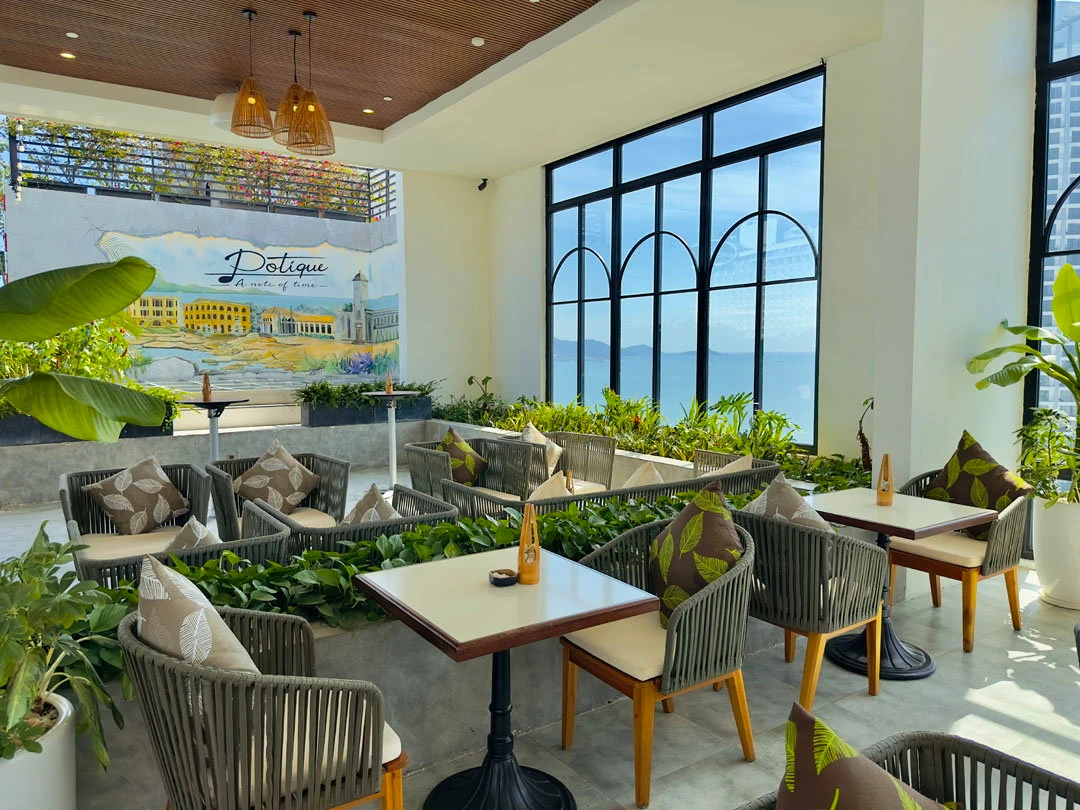
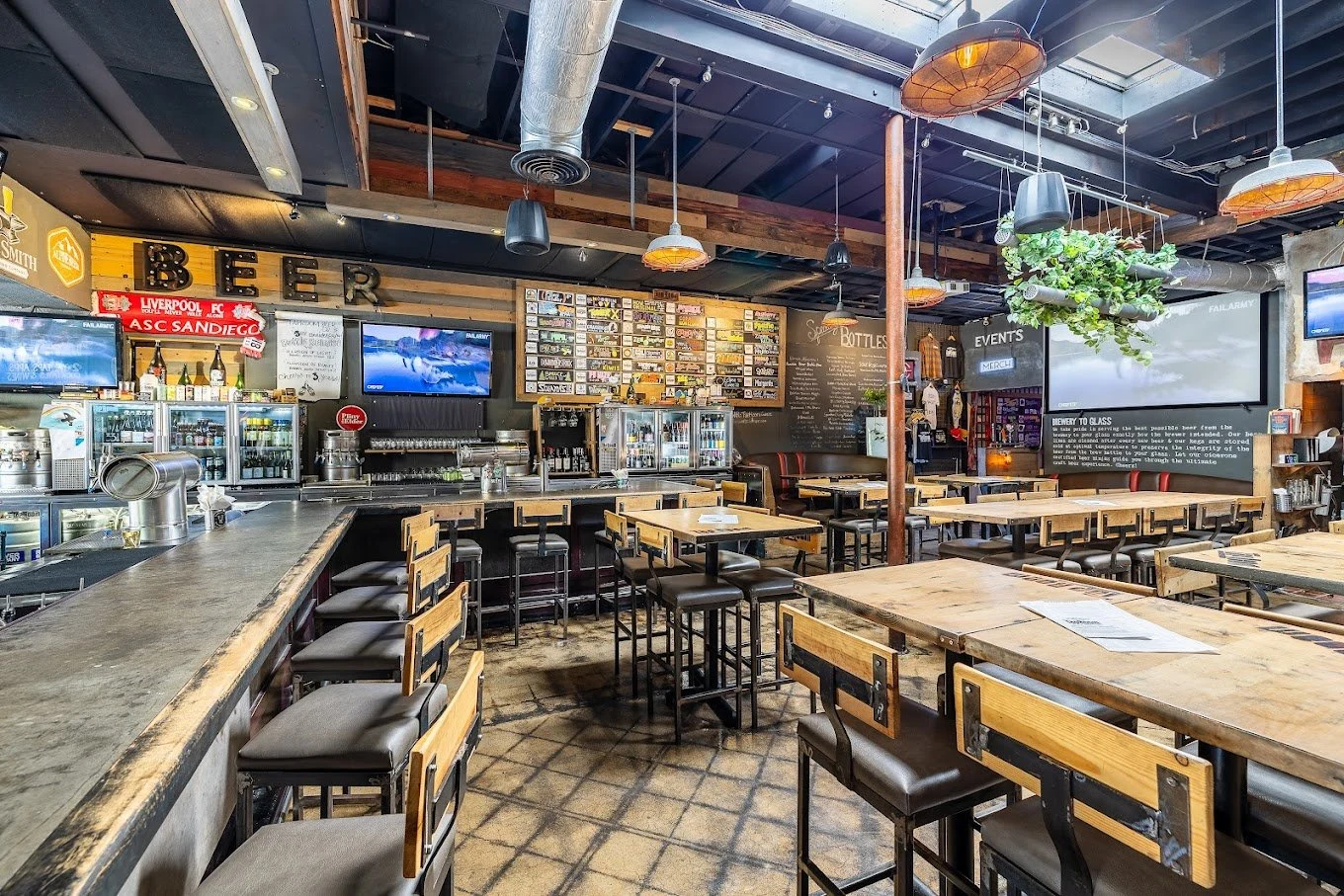
In Tan Loi, the streetscape runs toward mid-rise shophouses, motorbike traffic, and the kind of ambient noise that characterizes Vietnamese provincial neighborhoods at most hours: vendors, distant construction, the irregular percussion of a city growing faster than its infrastructure. A cafe that functions as a retreat within that environment typically does so through spatial decisions, materials, and sound management rather than through location alone. Craft-beer-and-coffee hybrids in this format tend toward exposed concrete or timber finishes, pendant lighting at low wattage, and playlist-driven sound levels calibrated for conversation.

What is accurate is the broader pattern: venues of this type in Vietnamese provincial cities have increasingly adopted a consistent design vocabulary drawn from the specialty coffee and craft beer aesthetics that originated in larger urban centers and filtered outward through social media and travel. The physical environment at venues like Typika typically reflects that influence directly.

Planning a Visit

Buon Ma Thuot is served by Buon Ma Thuot Airport (BMV), with regular domestic connections from Ho Chi Minh City and Hanoi. Typika Cafe & Craft Beer is located at 18 Nguyen Nhac in the Tan Loi district. Typika is walk-in friendly and open daily from 6 AM to 11 PM. Visitors should confirm current hours before making a specific trip. The venue's neighborhood position makes it a natural stop within a wider afternoon-into-evening itinerary in Tan Loi.

For those building a broader Vietnam itinerary, the country's dining range extends from premium fine dining addresses like La Maison 1888 in Da Nang to regional specialists and neighborhood staples. Within the Central Highlands, Buon Ma Thuot remains the most logistically accessible base for coffee-region exploration, and venues like Typika form part of the city's emerging secondary hospitality layer, built for repeat local visitors as much as for passing travelers. Other Vietnam dining addresses worth referencing include White Rose in Hoi An, Bien 14 Seafood Buffet in Ha Long, and Duyen Anh Restaurant in Phu Vang. Further afield, Le Bernardin in New York City and Atomix in New York City represent a different register of the sourcing-and-technique conversation that, in its own way, connects back to the ingredient-origin awareness that defines Buon Ma Thuot's most considered cafes.

Tags

CozyModernTrendyHidden GemSoloStandalone
Typika Cafe & Craft Beer — Artefice