Why go
Egg coffee first, coconut coffee second
Two drinks carry the menu: egg coffee and coconut coffee, the Vietnamese specialities the cafe puts in front of everything else on a beverage list that otherwise runs long and international. Both are singled out ahead of the rest, so a first visit sensibly starts there. Tea has its place too, particularly at breakfast. Bason Café runs across several Ho Chi Minh City branches, on Dong Khoi, at Ben Thanh and on Thi Sach, and drinks stay the centre of the concept at each rather than an accessory to the setting.
Rooms built out of the Ba Son story
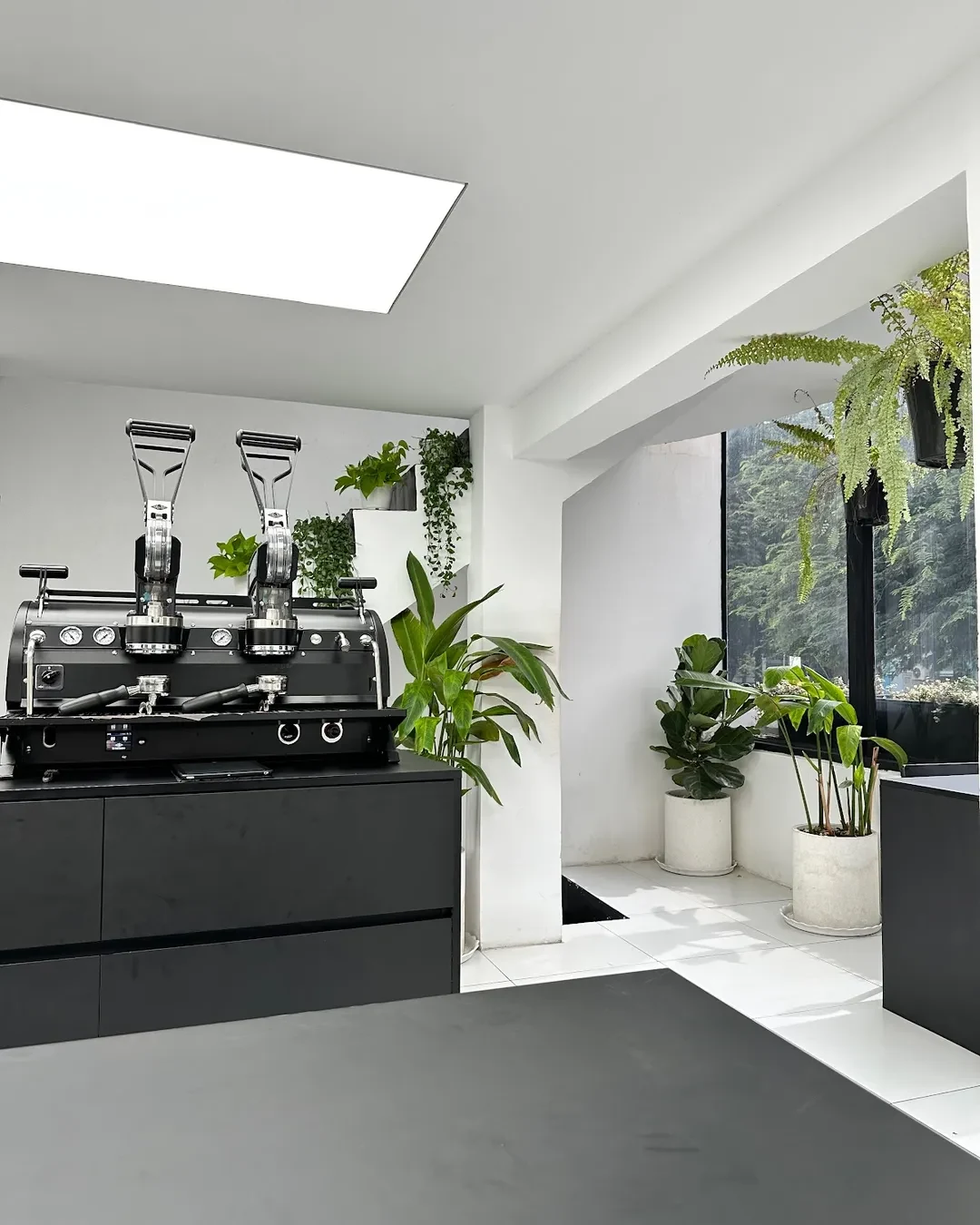
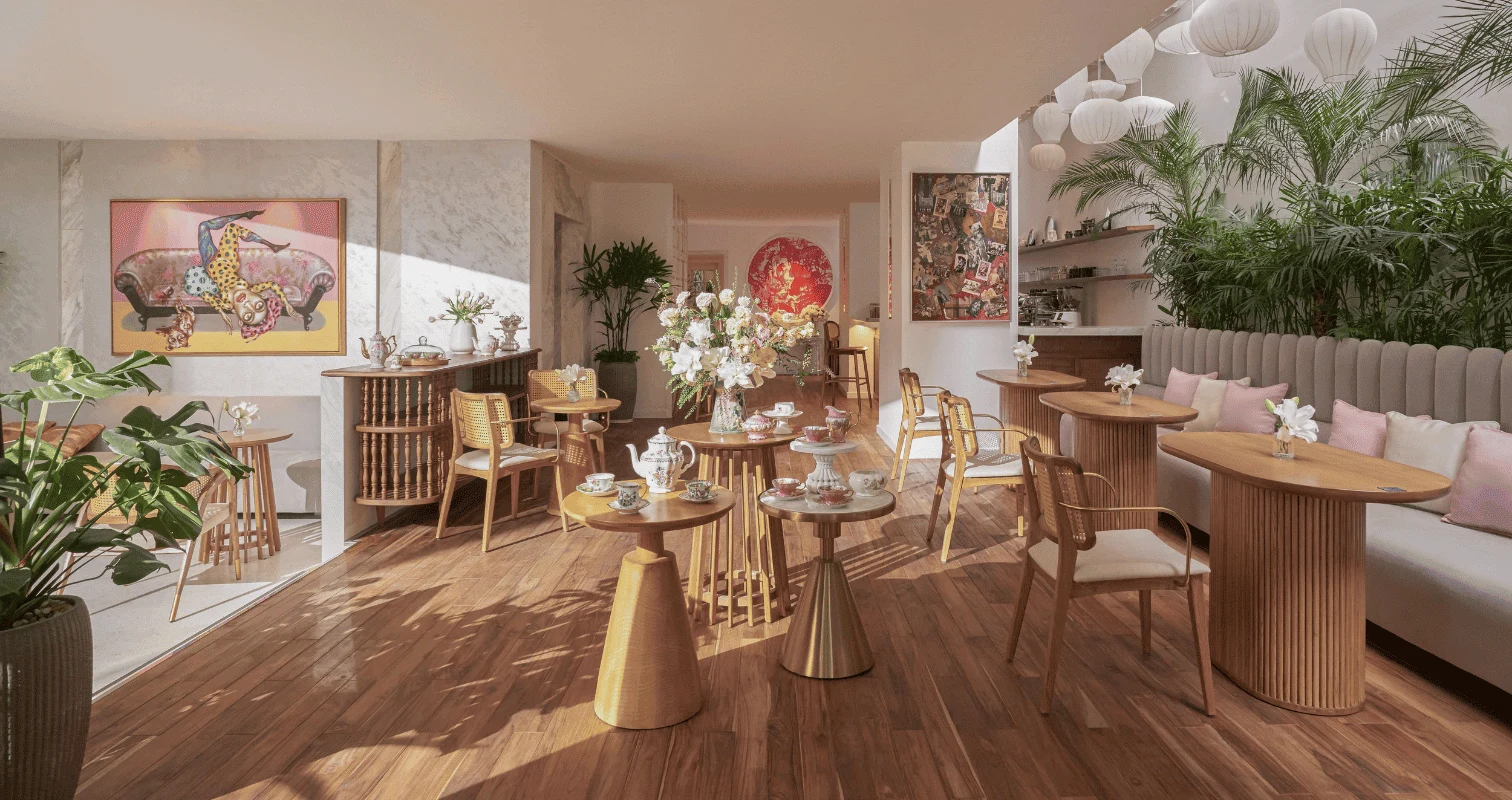
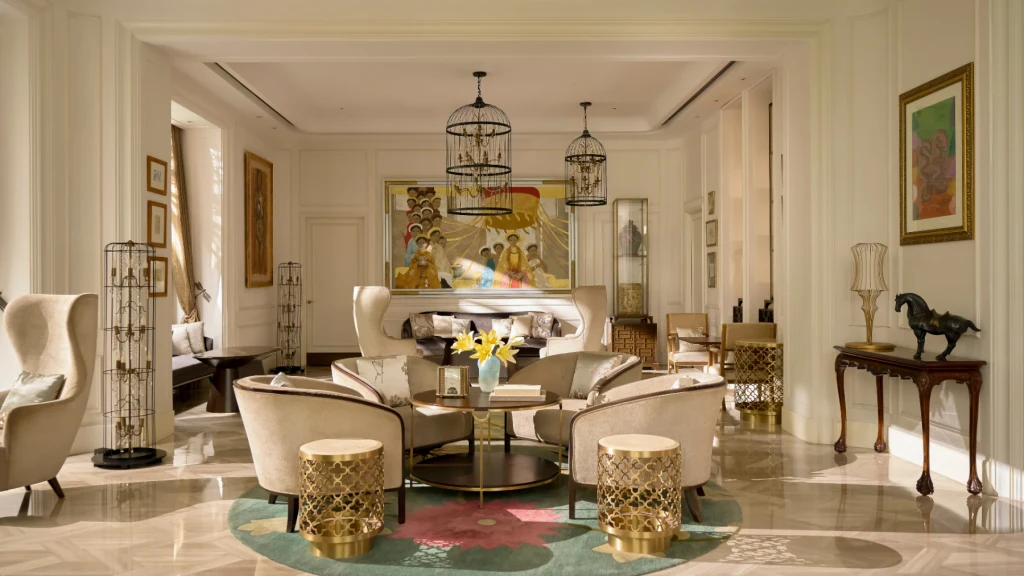
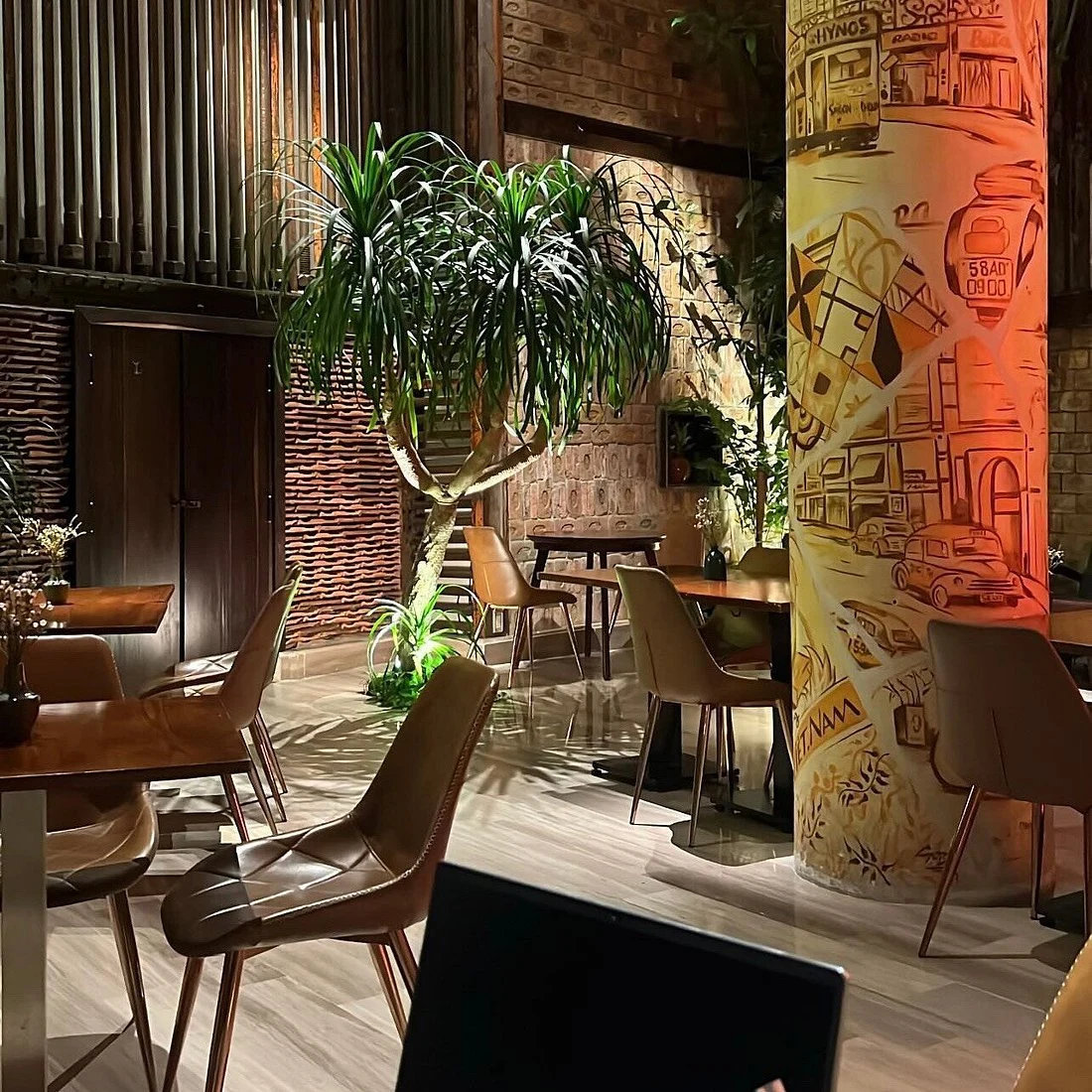
The name comes from the Ba Son shipyard, and the design leans on it. At Dong Khoi the space is grand and airy with high ceilings and a giant shipyard anchor mounted on the wall. Ben Thanh takes a different route: earthy pink tones, a ceiling made from vintage air conditioners, a skylight formed from the bottoms of glass bottles, and a corner given over to antique sewing machines, an artistic and deliberately off-template piece of design. Both sit on hotel ground floors, which shapes the pace, and staff are attentive and quick. The brand's own framing is after-work gatherings and a rare pocket of calm as the city slows down.
How to plan the visit
Come for the coffee and stay for the room. Order egg coffee first, since it is the drink most closely attached to the name, then coconut coffee on a second round or a second visit. Food is part of the offer rather than a footnote, with a menu of drinks and dishes at Ben Thanh and breakfast worth knowing about if the morning is free. The most useful way to read Bason is as a sit-down cafe built for conversation and design rather than a quick counter: order, settle in, and let the anchor on the wall do the explaining.
Tags
Frequently asked questions
What should I drink at Bason Café?
Egg coffee first, then coconut coffee. Both are Vietnamese specialities and both are the drinks the cafe puts forward on a longer, more international beverage list. Tea is also worth knowing about, particularly with breakfast, and Ben Thanh serves food alongside the drinks if the stop turns into a longer sit.
What are the rooms like at Bason Café?
They differ by branch. Dong Khoi is grand and airy, with high ceilings and a giant anchor from the Ba Son shipyard mounted on the wall. Ben Thanh is stranger and warmer, in earthy pink tones, with a ceiling built from vintage air conditioners, a skylight of glass-bottle bottoms and antique sewing machines in one corner.
Compare nearby places
| Venue | Type | Area |
|---|---|---|
| XLIII Specialty Coffee | Café | District 1 |
| Bason Café Thi Sách | Café | District 1 |
| Café des Beaux-Arts | Café | District 3 |
| Butterfly Patisserie | Bakery | Phnom Penh |
| Typika Cafe & Craft Beer | Café | Tân Lợi |