District 3

Café des Beaux-Arts

CafeCoffee Bar4.9 on GoogleAbout $25 a head
Café des Beaux-Arts

Why go

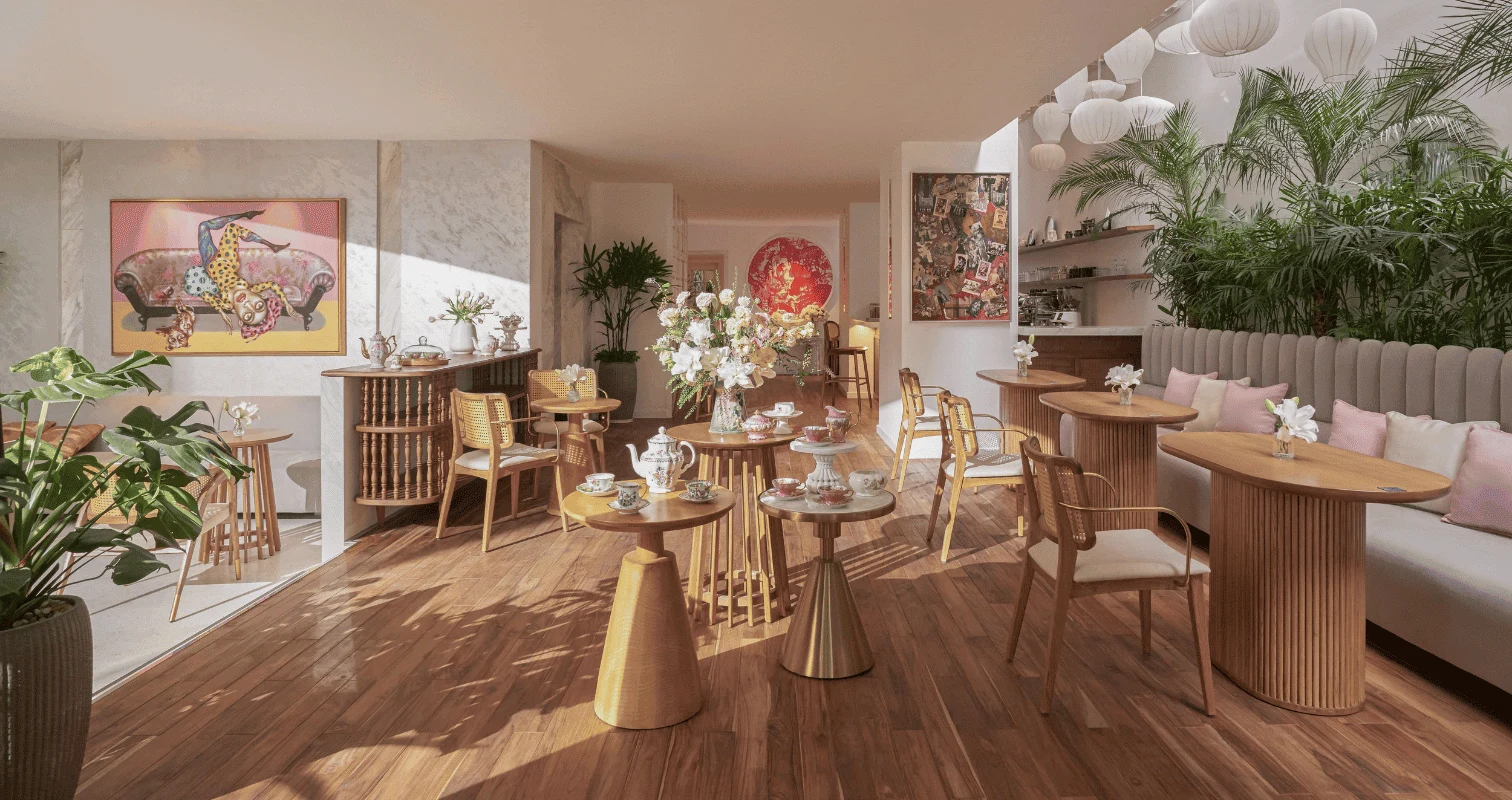
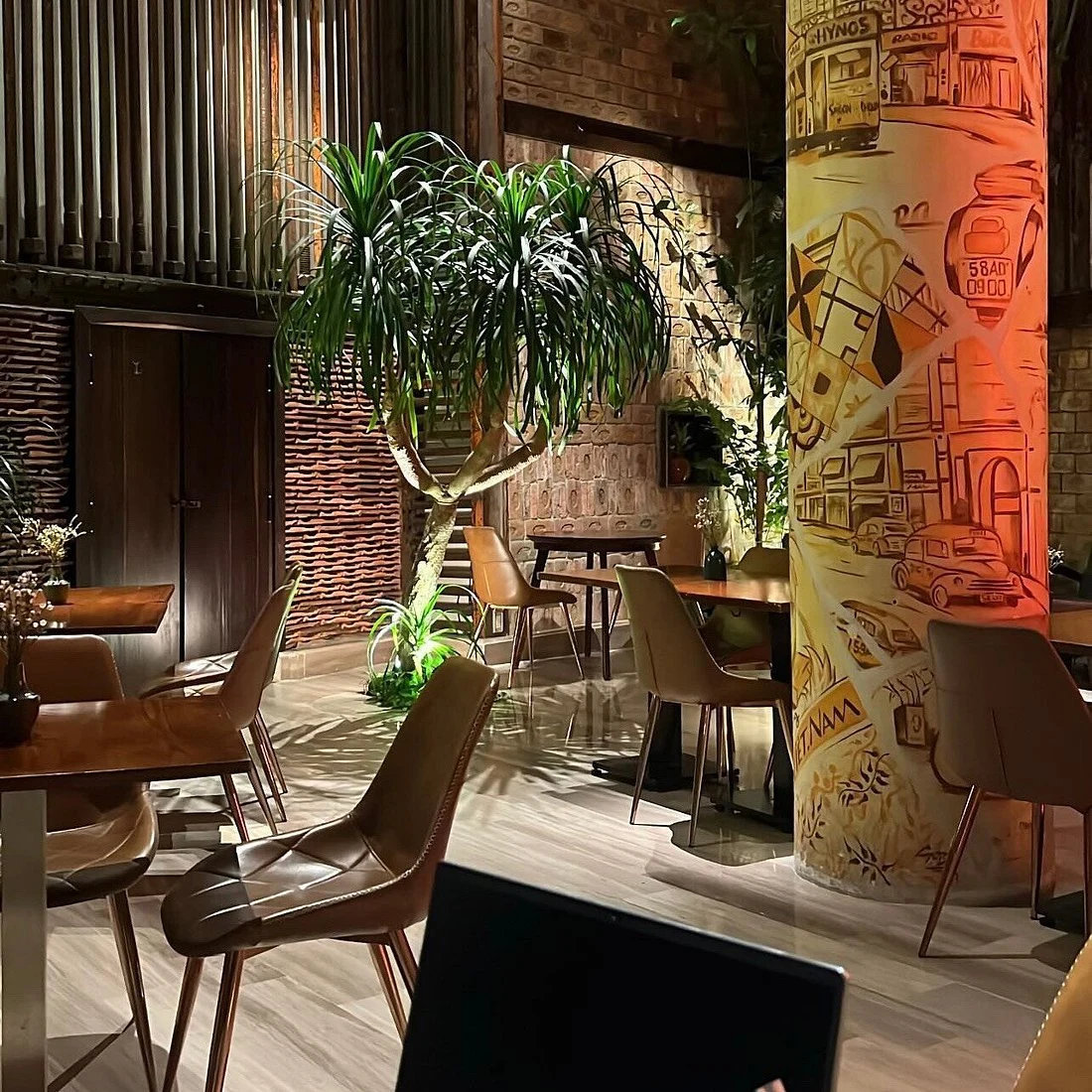
Approach the French-café end of Ho Chi Minh City dining and the pace changes before the menu does. The city’s restaurant culture is often read through extremes: tightly booked contemporary rooms, seafood counters built for groups, and street-food addresses where speed is part of the pleasure. A place such as Café des Beaux-Arts belongs to another register, the all-day café as civic pause, where coffee, bread, eggs, salads, pastries, and simple plates matter because they absorb the day rather than stage a formal event.

That format has a long afterlife in Vietnam. French technique and café habits did not replace local eating traditions; they were folded into a city already fluent in herbs, rice, fruit, seafood, pork, coffee, and market-driven improvisation. The better way to read this category is not as nostalgia, but as adaptation. Ho Chi Minh City cafés borrow from French form while relying on the ingredients and tempo of southern Vietnam: strong coffee culture, abundant tropical produce, and a clientele that treats breakfast, meetings, late lunches, and evening pauses as separate social acts.

An all-day French-café idiom in a city built on sharper contrasts

In the city’s current dining spread, the contrast is instructive. Anan Saigon (Vietnamese Street Food) uses street-food memory as a contemporary restaurant language, while Akuna (Innovative) and An's Saigon (Innovative) sit closer to the tasting-menu and modern technique conversation. 3G Trois Gourmands (French) represents a more explicit French-restaurant lane. Café des Beaux-Arts occupies a softer middle ground: less ceremony than a dining room, more structure than a quick coffee stop, and useful precisely because Ho Chi Minh City needs places that work between appointments, meals, and weather.

The ingredient question is central to that middle ground. French café cooking depends on recognisable categories, but in Vietnam those categories behave differently. Dairy, pastry, coffee, eggs, greens, seafood, herbs, citrus, and fruit sit in a climate where freshness and turnover carry more weight than heavy saucing. A café in this mode succeeds when it respects that local logic: lighter plates, clean seasoning, and produce that makes sense in heat. The point is not to chase Paris in miniature. The stronger reading is Saigon using a French frame to organise local appetite.

Price and awards are not the main signals here, because neither a public price band nor formal recognition is attached to the venue. That changes the reader’s expectations. This is not a trophy-booking proposition in the way a Michelin-led or ranked restaurant is. It belongs to the practical, socially useful tier of the city’s dining map, where the measure is consistency, timing, and whether the room can carry different parts of the day without feeling miscast.

Where sourcing matters more than spectacle

Ho Chi Minh City’s strongest casual tables tend to understand markets before they understand branding. Seafood-led addresses such as Bà Cô Lốc Cốc, European-leaning rooms such as Elgin, and contemporary hotel-adjacent restaurants such as The Albion by Kirk Westaway each pull from different supply chains and expectations. The café category has its own discipline: ingredients must be flexible enough for breakfast, coffee service, light lunch, and evening plates, yet simple enough that weak sourcing has nowhere to hide.

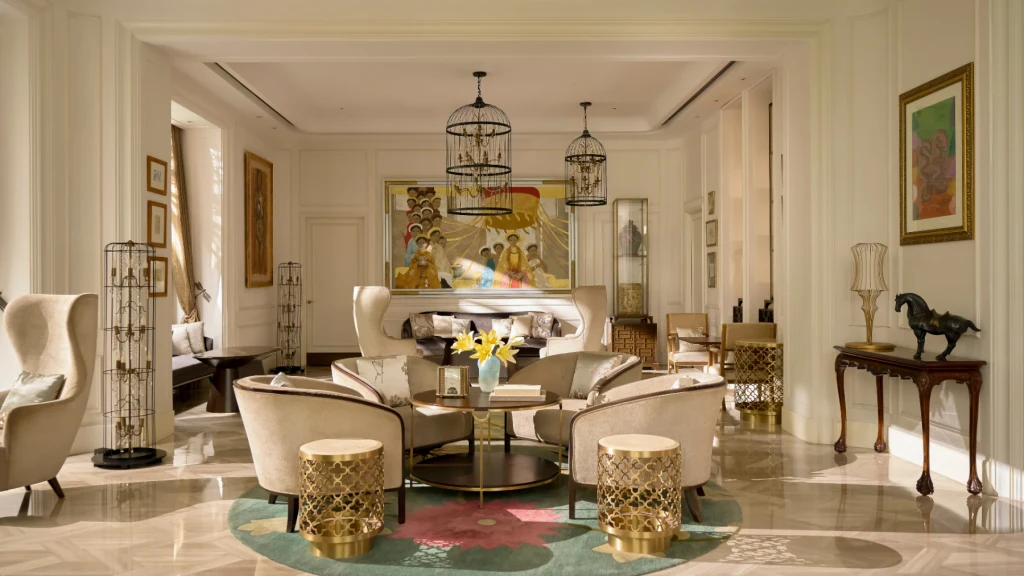
That is why the French-café idiom remains durable in southern Vietnam. Bread and coffee are not decorative references here; they are daily habits. Eggs, herbs, fruit, and salads read differently in this climate than they do in colder European cities. The format asks for restraint. Heavy luxury cues would feel wrong in a city where good casual eating often depends on freshness, speed, and directness. A café with a Beaux-Arts name can nod to European order, but the better version lets local cadence set the terms.

The surrounding city helps clarify the choice. Travellers building a Ho Chi Minh City itinerary can use Our full Ho Chi Minh City restaurants guide for the broader dining spread, then compare the city’s sleep, drinking, wine, and cultural options through Our full Ho Chi Minh City hotels guide, Our full Ho Chi Minh City bars guide, Our full Ho Chi Minh City wineries guide, and Our full Ho Chi Minh City experiences guide. Within that mix, this café category works as a pressure valve rather than a headline act.

How to place it in a Vietnam dining itinerary

The smarter use is contextual. Vietnam rewards travellers who separate destination dining from daily dining, because the latter often explains the former. A French-accented café in Ho Chi Minh City belongs beside, not beneath, more formal rooms. It gives shape to the hours when a tasting menu would be too much and a pavement snack would be too brief. In a city where humidity, traffic, and meeting culture affect appetite, that role has real value.

For a wider national comparison, the dining map shifts sharply by city and coast. Hội An’s heritage-core restaurants, including 115 Đ. Trần Cao Vân in Hoi An, operate in a different tourist rhythm. Hanoi addresses such as 19 P. Ngũ Xã in Hanoi sit inside a northern food culture with its own noodle, grill, and lake-district habits. Coastal and resort settings change the equation again, from 8 Dragons in Vung Tau and Ăn Thôi in Da Nang to Atlantis Restaurant in Phu Quoc and Azura in Lăng Cô. Ho Chi Minh City, by comparison, is faster, more commercially layered, and more comfortable mixing French café grammar with local produce and metropolitan routine.

That global-local exchange is not limited to Vietnam. The same reader who compares sake-bar precision at Jōdo Saké Bar in Los Angeles or the compact Japanese comfort format at Onigiri Time in Pasadena will recognise the broader pattern: imported forms become interesting when local habits change their function. In Ho Chi Minh City, Café des Beaux-Arts is best understood through that lens. It is not trying to solve the city’s dining hierarchy. It gives the day a civilised pause, and in Saigon that can be the more useful luxury.

Tags

RomanticSophisticatedElegantClassicDate NightBusiness DinnerGroup DiningBrunchCasual HangoutHotel RestaurantDesign DestinationHistoric Building
Café des Beaux-Arts — Artefice