Why go
The window does the work. It runs most of one wall, and beyond it stand tall green tamarind trees, so the best seat in the café is decided by the light rather than by the layout.
A café built around one view
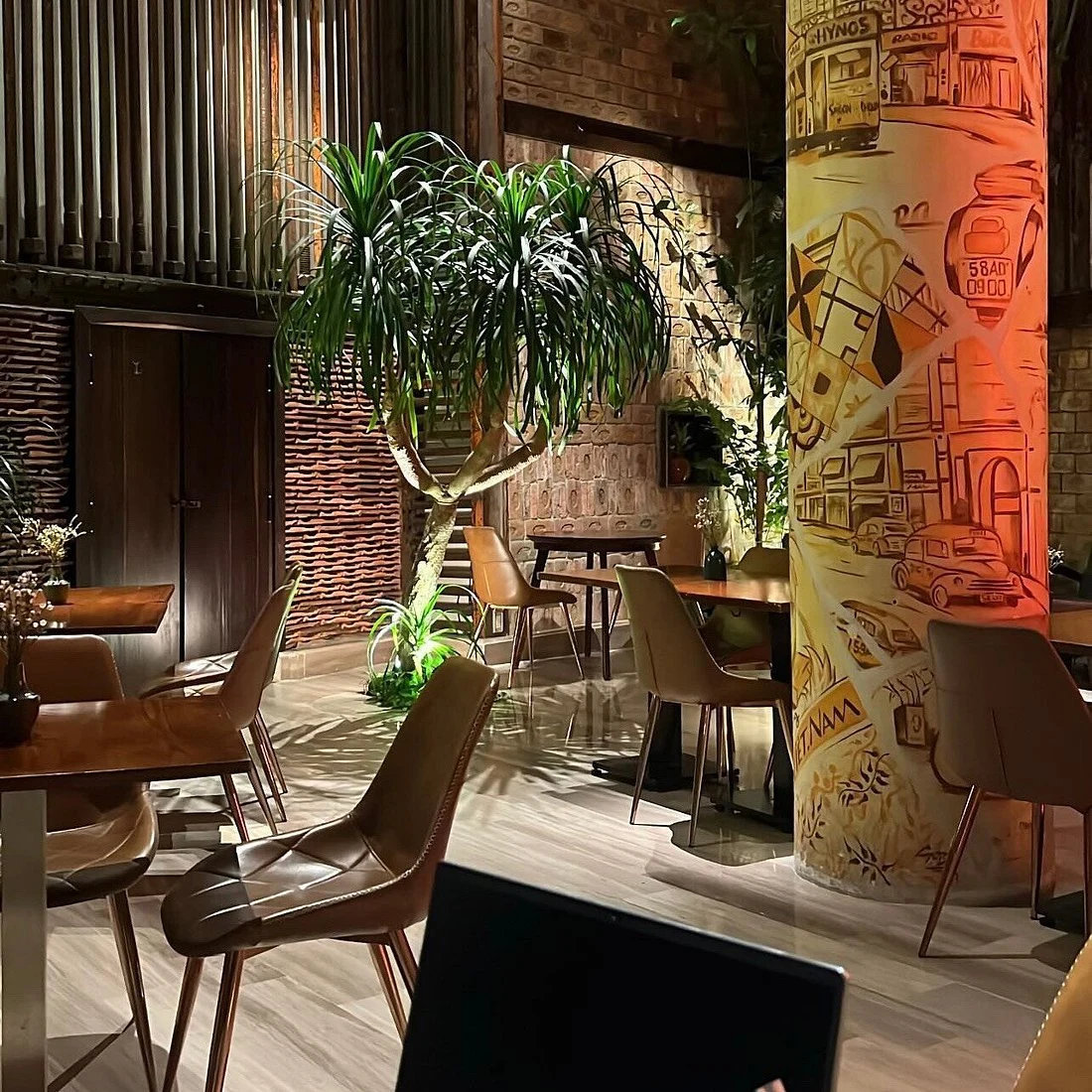
Bason Café Thi Sách occupies the ground-floor lobby of Silverland Mây in District 1, and the brand describes it in terms of mood before menu: “an nhiên và mộng mơ,” serene and dreaming. The large window and the tamarind canopy outside are the concept rather than the decor. The city stays visible and stays quiet at the same time.
It belongs to Silverland's small Bason Café family, alongside branches at Bến Thành and Đồng Khởi, but the lobby position and the trees give this one its own temperature. The pitch is a “Sài Gòn Mơ,” a dreamed Saigon, old and new held together in the same room.
The lobby hour, not the street rush
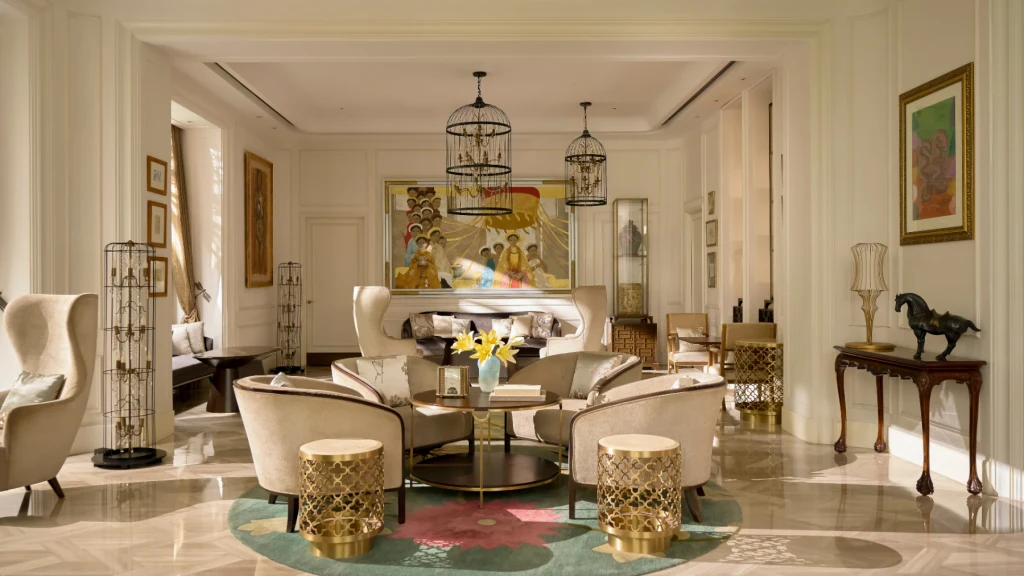
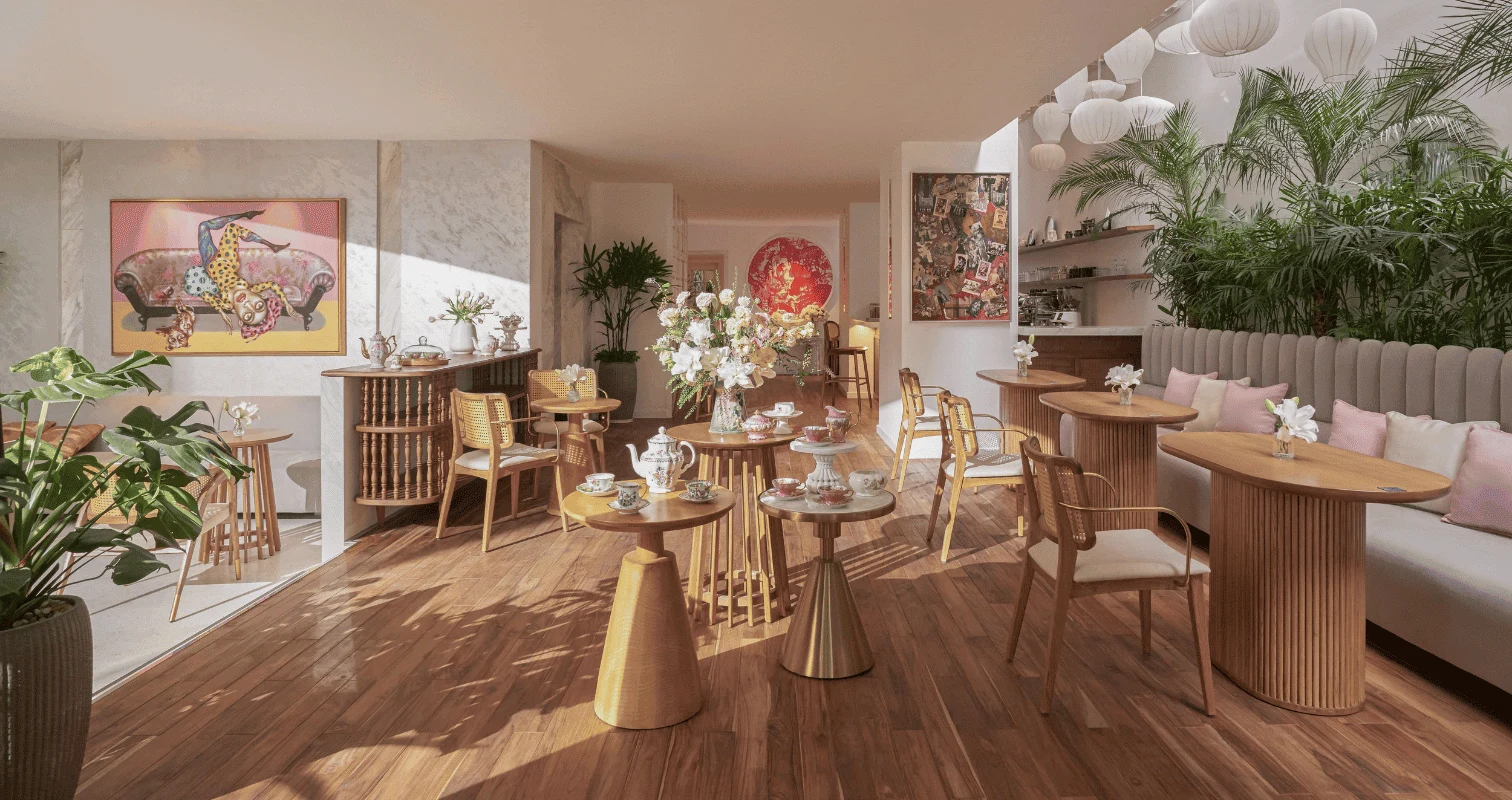
This is a slow room by design. Silverland calls it a “quán cafe yên ả,” a calm café, and the rhythm matches: a long drink, a conversation, a pause between errands rather than a takeaway cup handed across a counter. The hotel setting gives it a hospitality tempo, with service that expects you to stay a while.
The audience is mixed. Hotel guests come down for it, but so do local café-goers and visitors drawn to the softer version of Saigon that the room is dressed for, “Sài Gòn xưa và nay,” old and new at once. Small groups work here as well as solo visits, and the daylight is generous enough that most people photograph the trees before they finish a first cup.
Order a latte and stay put
Drinks lead. The menu's own phrase for itself is “thức uống thơm ngon,” fragrant and good, and a latte is the drink the café's imagery keeps returning to. That is the order to start with, and there is no reason to hurry it.
Food is casual café fare rather than a kitchen making a case for itself, which suits the visit exactly. Choose the window seat, take a coffee, and treat the tamarind trees as the reason you came. If the day outside District 1 is loud, this is the correct antidote to it, and the room has been built for nothing else.
Tags
Frequently asked questions
What makes Bason Café Thi Sách different from the other Bason branches?
Its position and its outlook. This branch sits in the ground-floor lobby of Silverland Mây in District 1, and the room is arranged around one large window looking out at tall green tamarind trees. The sibling cafés at Bến Thành and Đồng Khởi share the brand and the calm, but not the tamarind canopy.
What should I order at Bason Café Thi Sách?
A latte is the drink the café returns to most often, and drinks lead the whole offer: the brand's own phrase for the menu is “thức uống thơm ngon,” fragrant and good. Food is casual café fare rather than a full kitchen, so treat it as an accompaniment to a long, slow cup by the window.
Compare nearby places
| Venue | Type | Area |
|---|---|---|
| Bason Café | Café | District 1 |
| XLIII Specialty Coffee | Café | District 1 |
| Café des Beaux-Arts | Café | District 3 |
| Butterfly Patisserie | Bakery | Phnom Penh |
| Typika Cafe & Craft Beer | Café | Tân Lợi |