Why go
Hand-drip coffee before anything else
Hand-drip coffee leads the visit at Royal Coffee Ten Honten, and in a kissaten that matters, because the drink is not treated as a quick background order. The method gives the visit a slower centre of gravity: the cup arrives as the main event, and the rest of the table arranges itself around it. The house also names sandwiches and cakes, which puts the menu squarely in the classic coffee-and-light-meal lane. There is no tasting structure and no elaborate restaurant frame, and none is needed. This is a Tokyo coffee shop where the cup carries the visit and the food supports the hour around it. It was named to the Tabelog 100 in 2022, at number 63.
A dim room with close tables
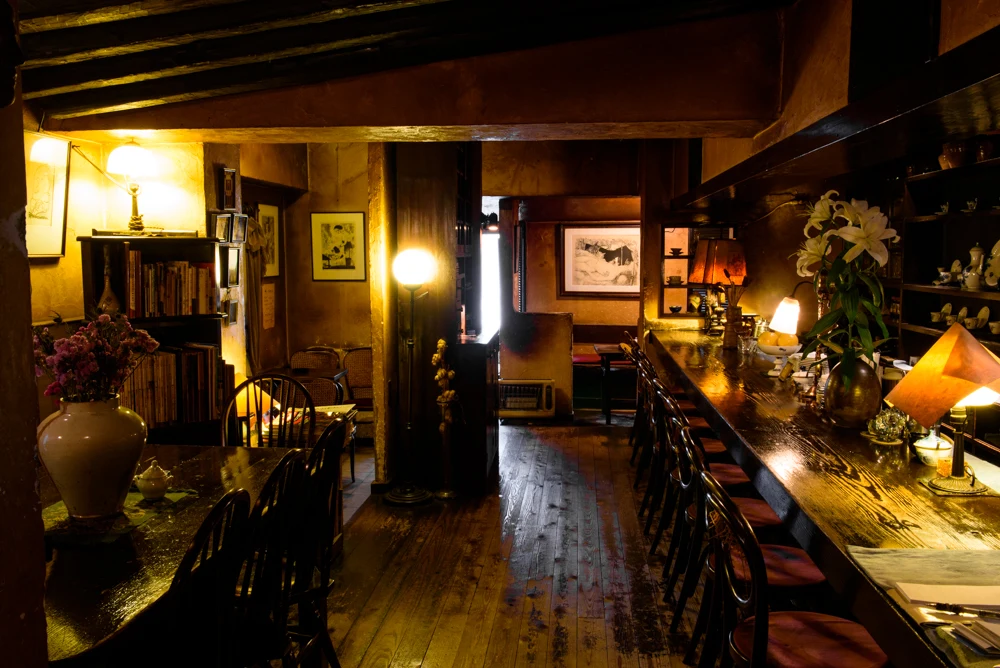
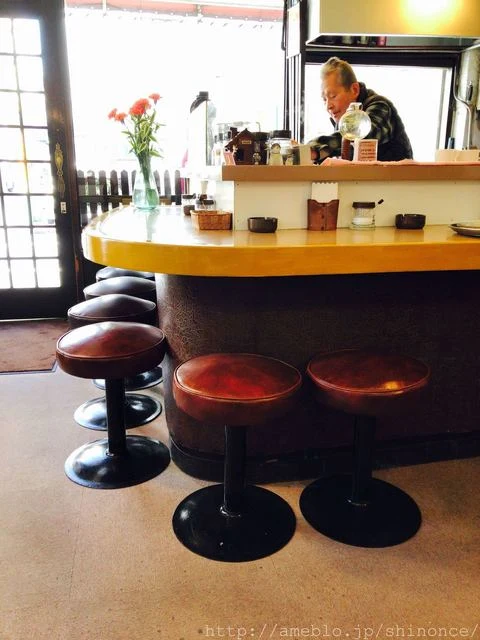
The room is part of the argument for going. Royal Coffee Ten Honten works in the older Japanese café register: slightly dim, retro in its décor, compact at the tables, and given over to regular use rather than spectacle. Closely spaced seating changes how the room behaves. Conversations stay low, a quiet coffee makes sense, and the visit takes on the unhurried quality that older Japanese coffee shops protect well. It is not a lounge and it is not a modern showroom café. It is the kind of place where the cup, the small plate and the table do the work, and where the quiet is practical rather than decorative.
Most of the trade is local. A kissaten of this kind survives on regulars rather than visitors, and the menu reflects that: coffee, a sandwich, a cake, and no attempt to be more than that. The recognition it has picked up has not changed the way the room runs, which is the best thing that can be said about it.
Order the hand-drip, then add cake
Start with the hand-drip coffee. It is the named drink here and the one that fits the room: slower than a takeaway cup, direct enough to drink without ceremony, and right for a table where nobody is trying to turn the visit into an event. If the stop needs food, add a sandwich, or a cake when the coffee is the point and the plate only needs to keep it company. The order is not complicated: hand-drip coffee, cake if there is time, a sandwich if this is the meal.
Tags
Frequently asked questions
What should I order at Royal Coffee Ten Honten?
The hand-drip coffee. It is the named drink and the one the room is built around, slower than a takeaway cup and meant to be sat with. Add a cake if the coffee is the point of the stop, or a sandwich if it is standing in for a meal rather than accompanying one.
What is the room like?
It works in the older kissaten register: slightly dim, retro in its décor, with tables set close together. That closeness keeps conversation low and the pace unhurried, and the place is used more by regulars than by visitors looking for a showpiece café. It was named to the Tabelog 100 in 2022.
Compare nearby places
| Venue | Type | Area |
|---|---|---|
| Coffee Tengoku | Café | Asakusa |
| Café Trois Chambres | Café | Shimokitazawa |
| Coffee Senmon Ten Tomii | Café | Kinshicho |
| Kayaba Coffee | Café | Yanaka |
| Sumida Coffee | Café | Kinshicho |