Why go
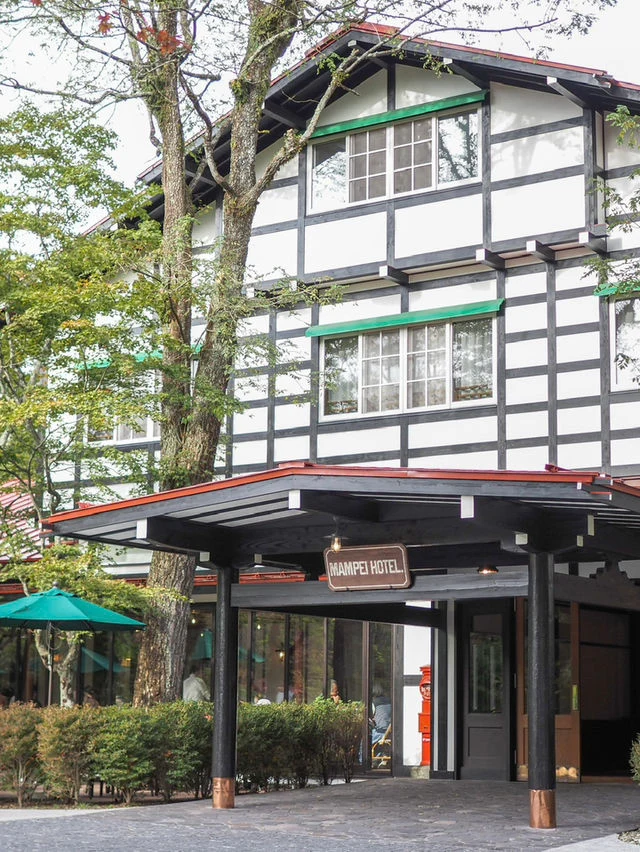
Approaching a hotel café in Karuizawa changes the tempo before the first order is placed. The town’s resort identity was built on cool air, wooded roads, and long afternoons, and its café culture rewards rooms that let that setting do part of the work. Manpei Hotel Cafe Terrace fits that tradition through a terrace-led format and a kissa-adjacent category, placing it closer to Karuizawa’s heritage refreshment rooms than to Tokyo’s espresso-bar minimalism or Kyoto’s confection-led salons.
The useful way to read the place is not as a chef-driven restaurant, but as a resort café where setting, pacing, and provenance-adjacent choices carry the experience. Karuizawa sits in Nagano, a prefecture associated with highland produce, dairy, fruit, soba, and cool-climate hospitality, and the town’s better cafés often reflect that mountain-resort appetite: lighter daytime meals, tea and coffee service, sweets, and terrace tables that turn weather into part of the decision. That makes the venue a stronger fit for a planned afternoon pause than for a diner seeking a long, technique-heavy meal.
Karuizawa's hotel-café tradition, viewed through a terrace table
Japan’s kissa culture has always been broader than coffee. It covers meeting rooms, reading rooms, dessert stops, and places where Western-style hotel service was absorbed into local habits. In Karuizawa, that tradition has a particular shape because the town has long functioned as a summer retreat rather than a dense urban dining district. The café table becomes a way to slow the day between station arrival, villa roads, shopping streets, and hotel check-in.
Manpei Hotel Cafe Terrace has the scale to operate as more than a small counter stop: 116 seats split between indoor seating and terrace seating. That matters in Karuizawa, where weather and visitor flows can change the feel of a day quickly. Terrace seating also creates a clear hierarchy of experience; when conditions are favourable, the outdoor tables carry the resort logic of the place. When rain closes the terrace, the visit becomes more conventional, closer to a hotel lounge than an open-air café.
Its Tabelog 100 - Cafe - EAST - 2025 selection gives the room a credible marker within Japan’s café category, not a fine-dining claim. That distinction is important. Café awards in Japan tend to reward consistency, atmosphere, local pull, and category clarity as much as culinary ambition. A Tabelog score of 3.67 reinforces that position: strong enough to signal attention in a competitive field, but not a cue to expect the formality or scarcity economics of high-end omakase or dégustation dining.
Where the food sits in Karuizawa's daytime dining map
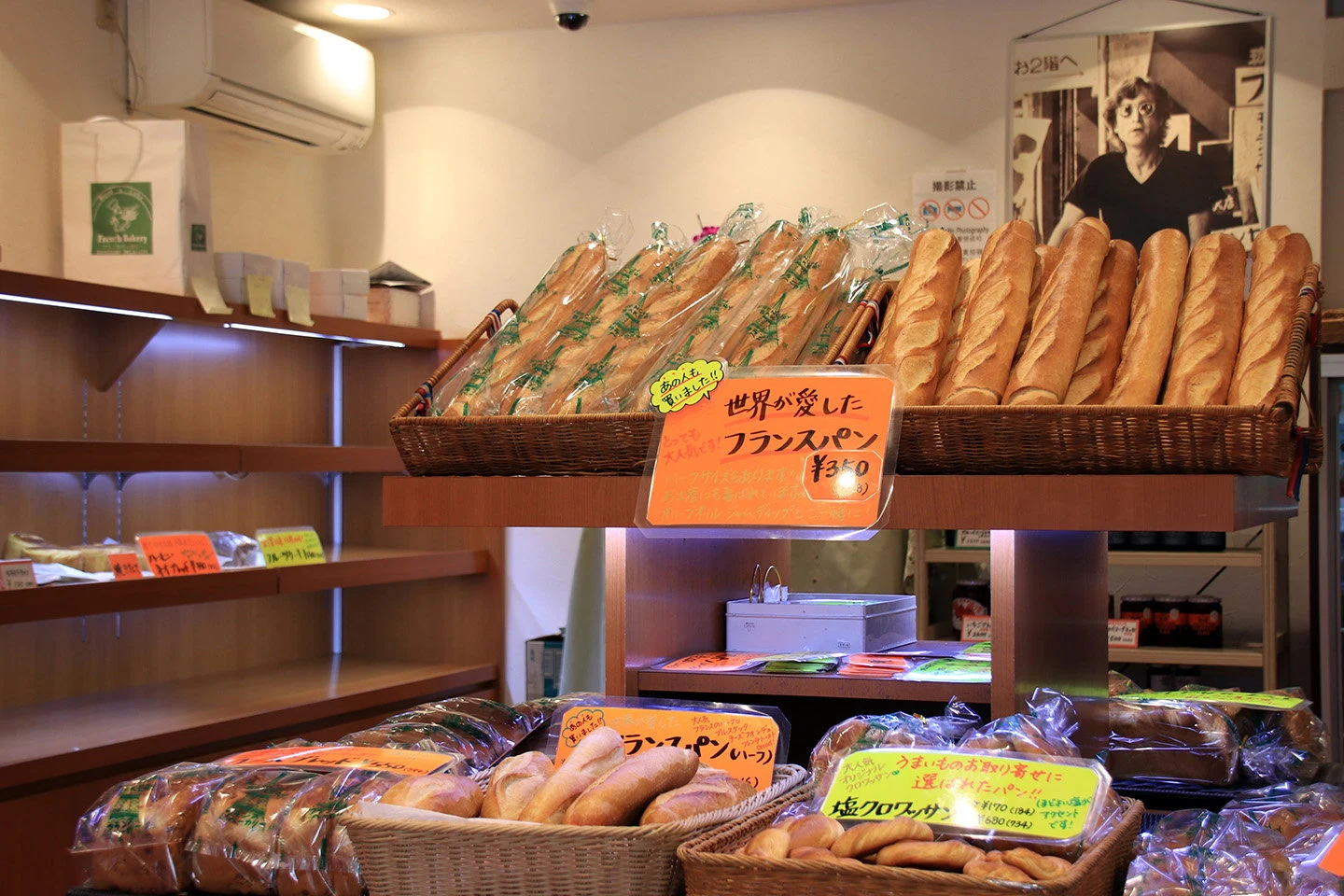
Karuizawa’s casual dining scene splits into several lanes: old-school sweets and tea, bakeries, soba houses, Western-style resort dining, and lighter café formats. Within that map, the price band and hotel setting put this café above the quick bakery stop but below a full restaurant meal with a larger spend. Nearby comparisons sharpen the point. French Bakery and haluta bageri speak to the town’s bread-and-coffee rhythm, while Chimoto Sohonten Karuizawa honten sits closer to the confectionery side of the local day. A Fenestella and Chinese Hanten Reisho point to broader restaurant ambitions in the area.
The sourcing angle here is more regional than granular. No named farm, producer, or signature preparation is publicly specified, so the better editorial read is category-based: Karuizawa cafés trade on the relationship between cool-climate appetite and resort timing. Tea, coffee, sweets, light meals, and wine service sit comfortably in that pattern. The presence of a multilingual menu also broadens the room’s usefulness for international travellers without turning it into a tourist-only address.
For families and mixed-generation groups, the format is unusually practical for a café with recognition. Children are welcome, strollers are accepted, and the room has indoor and terrace capacity rather than a compact counter setup. Pets are limited to the terrace, which makes weather a real planning variable for travellers arriving with a dog. Non-smoking policy, wheelchair accessibility, sofa seating, and free Wi-Fi further place it in the polished hotel-café lane rather than the tiny independent coffee-shop lane.
How to judge the experience, not just the name
The key decision is whether the visitor wants Karuizawa atmosphere with dependable café structure, or a meal built around culinary authorship. This is not the address to choose for a named chef narrative, private-room dining, or a tightly scripted tasting format. It is better judged as a heritage-leaning café stop with enough seating, service infrastructure, and third-party recognition to justify planning around it during a Karuizawa day.
Reservations are unavailable, so timing carries more weight than advance access. The venue operates daily from morning through early evening, with last order before closing, making it better suited to late breakfast, tea, or an afternoon reset than a conventional dinner plan. Payment coverage is broad, including major credit cards, transport IC, several electronic-money systems, and QR payments, which reduces friction for both domestic and overseas visitors.
In the wider Kitasaku-gun context, the café is a useful anchor rather than a whole itinerary. Travellers building a food day can pair it with bakeries, sweets, soba, or a more formal restaurant depending on appetite and season. For wider planning, see Our full Kitasaku-gun restaurants guide, plus Our full Kitasaku-gun hotels guide, Our full Kitasaku-gun bars guide, Our full Kitasaku-gun wineries guide, and Our full Kitasaku-gun experiences guide.
Readers comparing Japanese café formats beyond Nagano may also find useful contrasts in.cafe in Osaka,.know in Kumamoto, (Shoku) Vietnam in Kawasaki, [Curry Senmon Ten] Maruyama Kyoju. in Sapporo, -Grilled beef Sukiyaki- KAMAKURA TANUKIAN 鎌倉 たぬき庵 in Kamakura,. 鮪と炭火焼き うお炭 秋葉原店 in Tokyo, Jōdo Saké Bar in Los Angeles, and Onigiri Time in Pasadena. Those links are less about direct rivalry than about understanding how casual Japanese dining formats shift when context changes.