Why go
Coffee in a room that has not changed
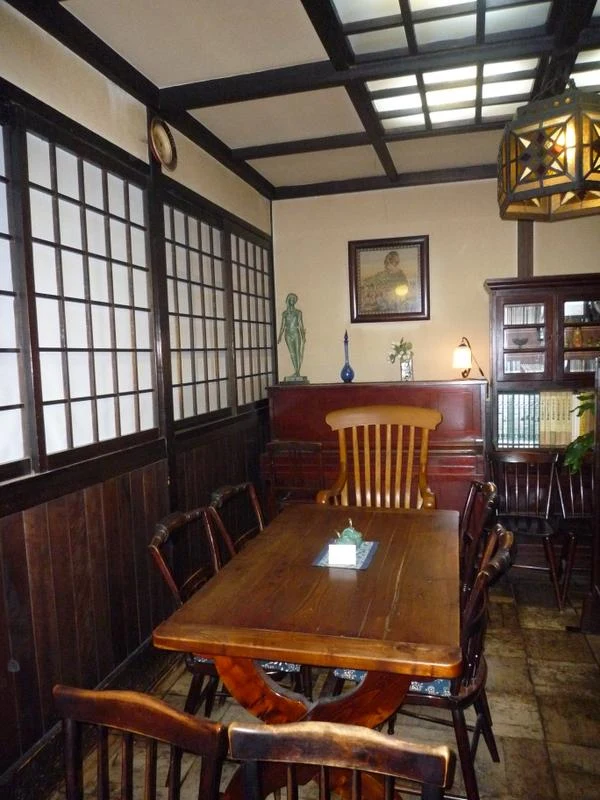
The café opened in 1956 inside a ryokan that had already been trading since 1868, and it has been left much as it was ever since. Coffee and light meals are the whole of it, served in a room of wooden folkcraft furniture with an antique piano and a loom standing in it, under warm light. This is a kissaten in the strict sense: coffee, quiet, and a room worth sitting in, rather than a bar built around beans and brew methods.
The building itself went up in 1888, the year after the great Matsumoto fire, and the inn and the café run as one house, Coffee Marumo and Marumo Ryokan, 珈琲まるも and まるも旅館, in the Nakamachi shopping district. Guests of the inn and people in off the street use the same room, which is part of why it never hardened into a museum piece.
Mingei design, made specific
When the café was fitted out in 1956 the work involved Shōichirō Ikeda, the founder of Matsumoto mingei furniture, which is why the chairs and tables read as craft objects rather than café stock. Sōetsu Yanagi, the central figure of the mingei movement, is said to have seen the finished room and approved of it.
That lineage is the difference between this and a café styled to look old. The furniture, the proportions and the materials come out of a specific folkcraft tradition with its own ideas about utility and everyday beauty, and the room has carried them for close to seventy years without being restyled.
How to spend an hour here
Order coffee and something light, then stay put. The room is the reason to come and it does not reward hurrying, which is the whole point of a kissaten. Light meals sit alongside the coffee, service is at the table, the room is non-smoking, and there is Wi-Fi and step-free access for anyone who needs it.
The house was listed in the Tabelog 100 in 2022, which is a fair reflection of where it stands among Japanese kissaten. Read it as a working piece of heritage: 1868 for the business, 1888 for the building, 1956 for the café and its mingei fit-out, all of it still in daily use in central Matsumoto rather than preserved behind glass.
Tags
Frequently asked questions
What is Coffee Marumo like inside?
It is a preserved kissaten room from 1956: wooden folkcraft furniture, warm lighting, an antique piano and a loom, inside an 1888 building that belongs to Marumo Ryokan. The fit-out involved Shōichirō Ikeda, founder of Matsumoto mingei furniture, so the pieces are craft objects rather than café stock.
What can you order at Coffee Marumo?
Coffee first, with light meals available alongside it. The menu is deliberately narrow and the house does not build its case on named beans or brewing equipment; what it offers is a proper kissaten cup in a room that has barely changed since 1956. Service is at the table and the room is non-smoking.
Compare nearby places
| Venue | Type | Area |
|---|---|---|
| Kaida Kogen Ice cream Kobo | Café | Kaida Kogen |
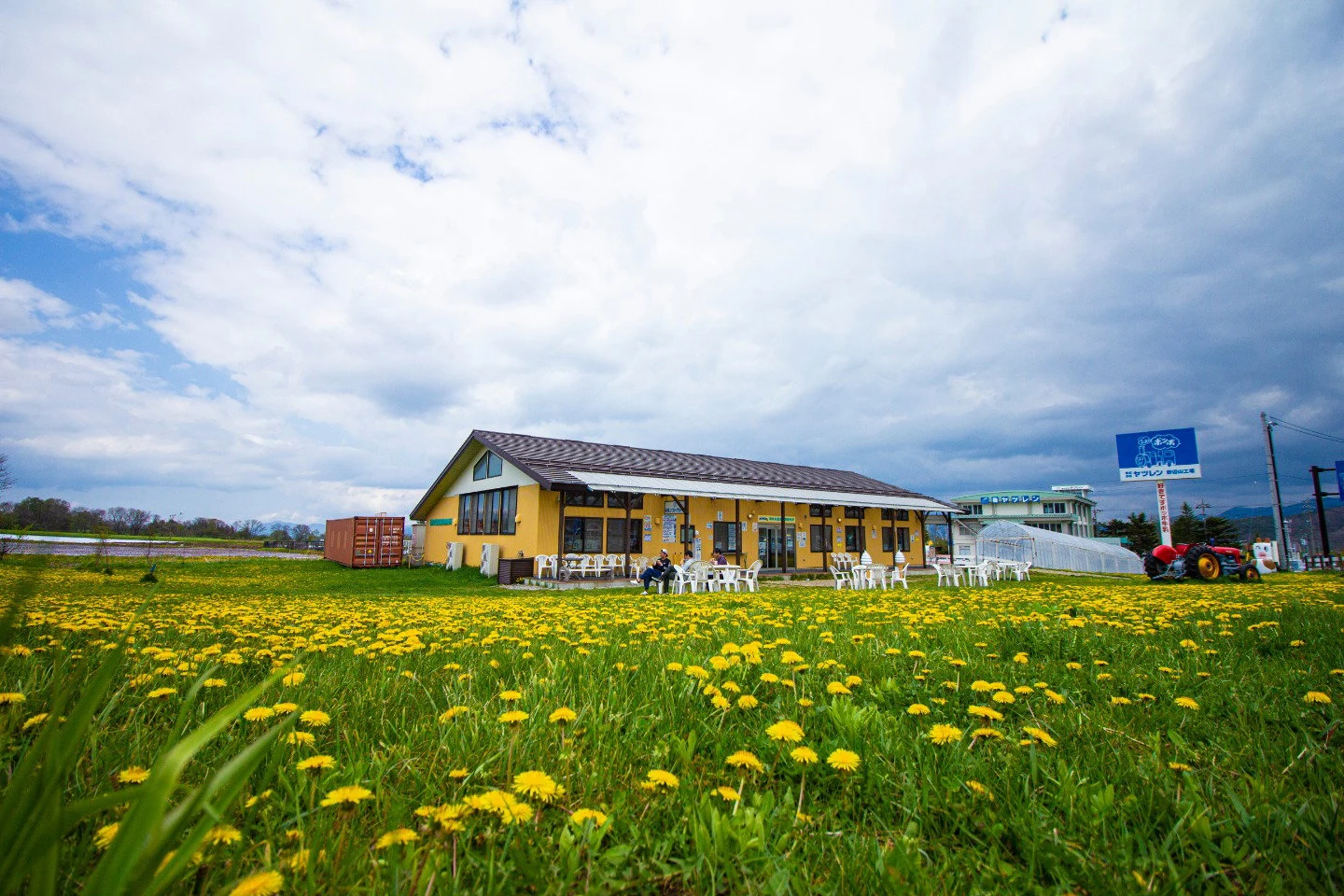
| Yatsuren Soft serve ice cream Shop | Café | Nobeyama |
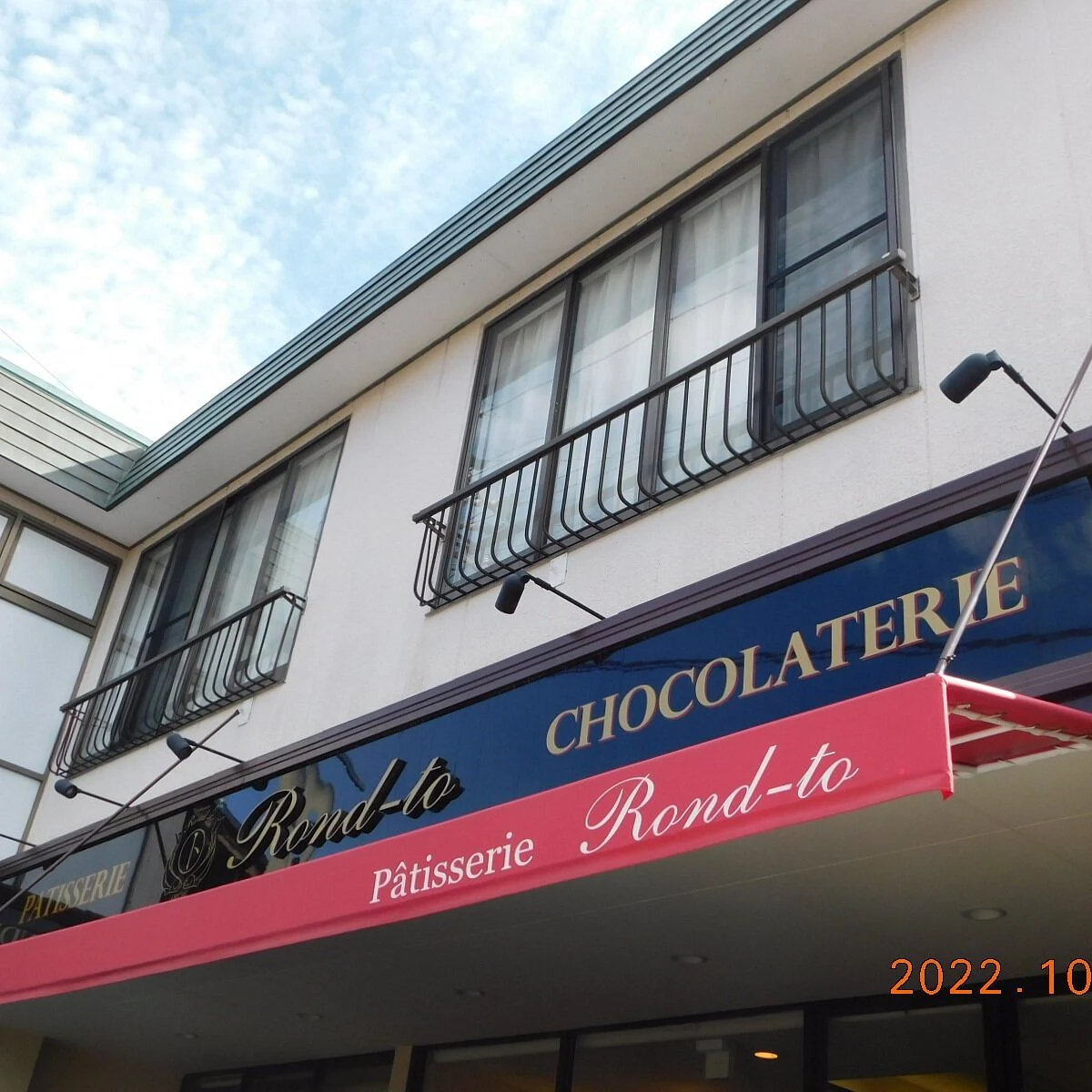
| Patisserie Rond-to | Bakery | Obuse-machi |
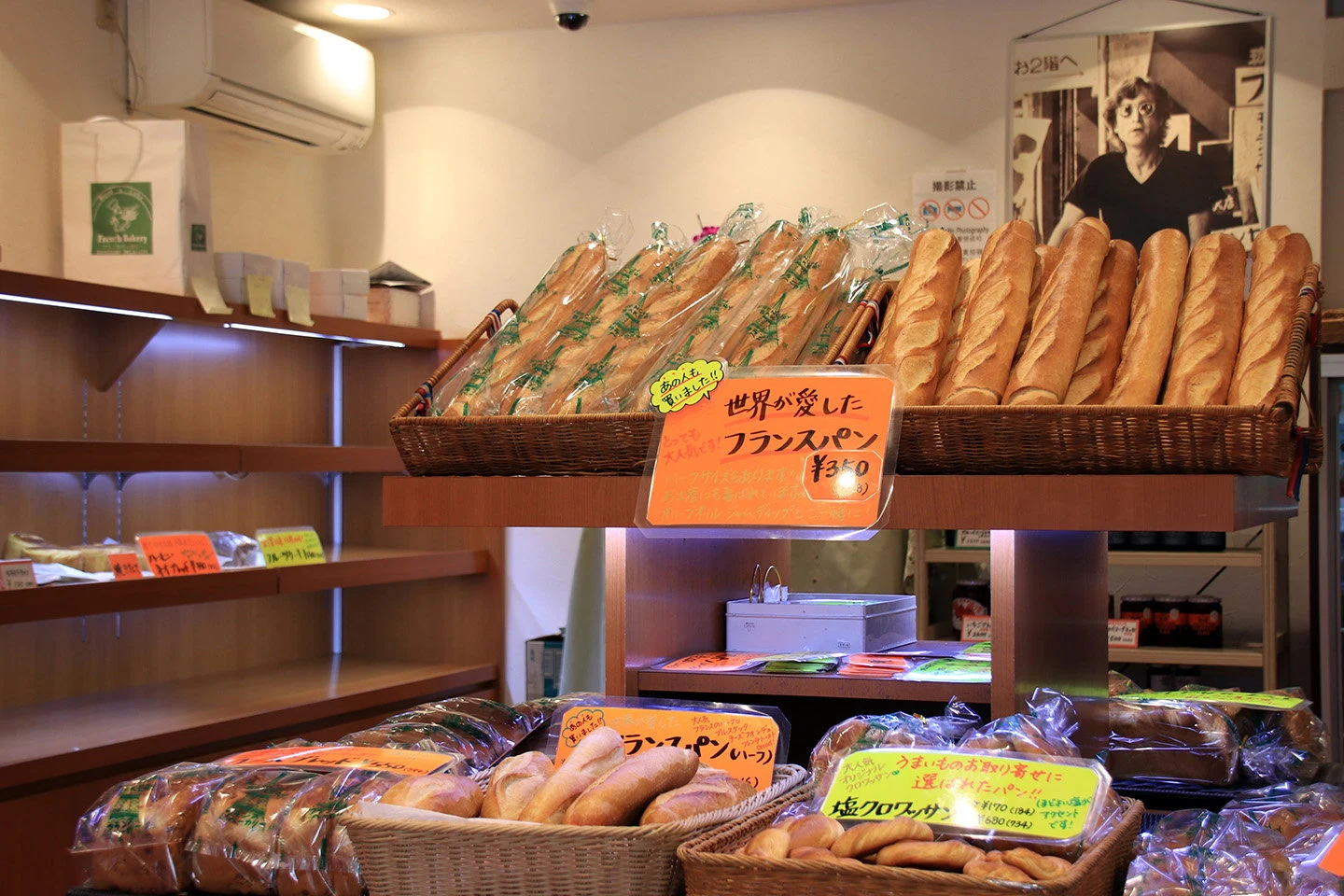
| French Bakery | Bakery | Karuizawa Ginza |
| Manpei Hotel Cafe Terrace | Café | Karuizawa |