Why go
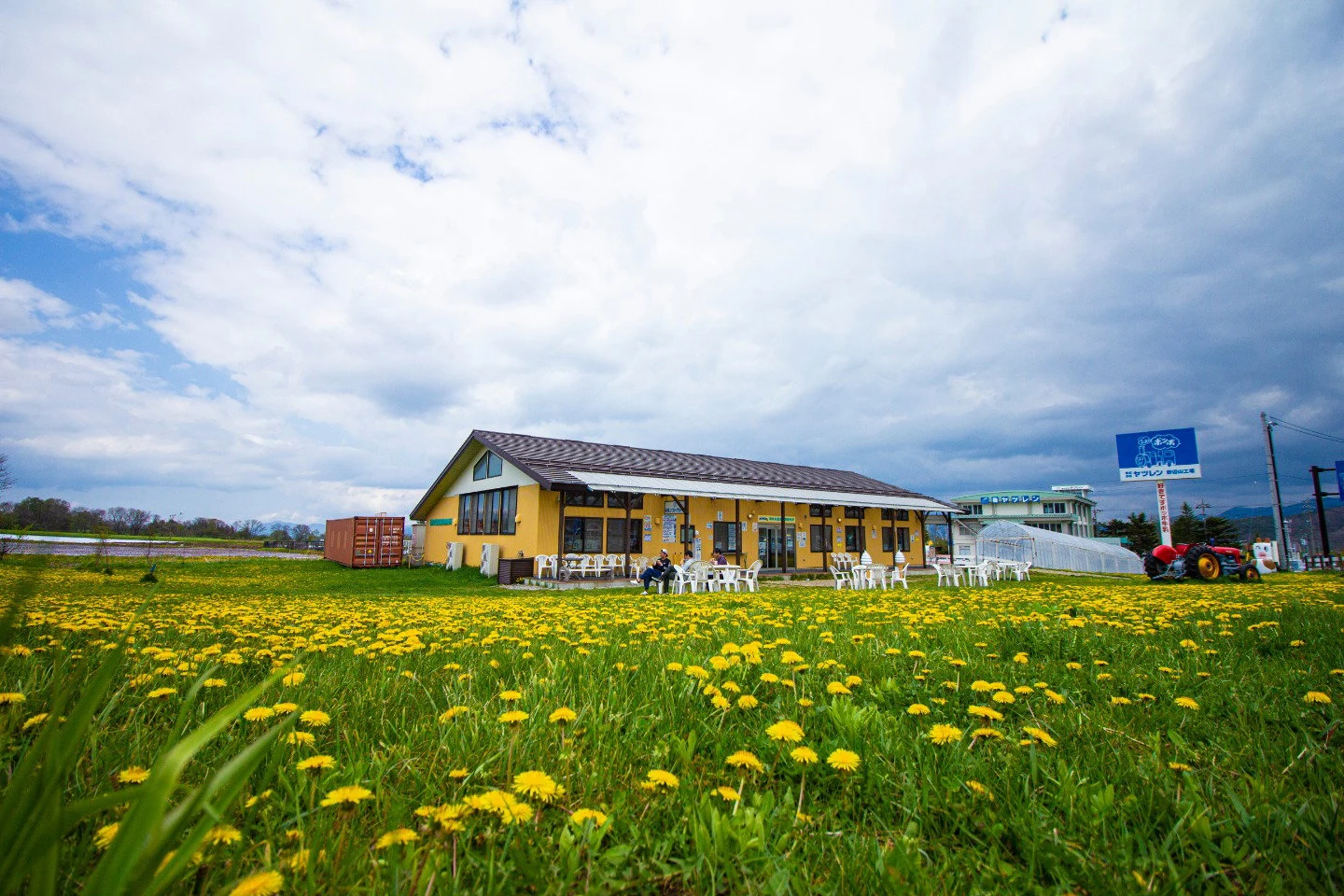
Milk arrives every morning from Manya Farm on the Kaida plateau, and everything in the case follows from it: soft serve, more than ten ice cream flavours, yogurt, cheese, butter and bread. Kaida Kogen Ice cream Kobo is a dairy workshop with a shop attached rather than a café, and the counter is where the milk gets tasted in its several forms.
Soft serve first, then the cheese
The soft serve is the shop's own item, made and sold on site and nowhere else, which is reason enough to stop. Beyond it the freezer runs to more than ten original ice creams and ice cakes, all built on the same morning milk and Kiso district ingredients.
The dairy work is not limited to frozen things. Yogurt is made from the fresh milk with no additives at all, mild and rich, and it is the cleanest expression of what the farm delivers. The cheese has been recognised twice at national level, with a Japan Dairy Council chairman's award at the 2009 All Japan Natural Cheese Contest and a Minister of Agriculture, Forestry and Fisheries award at the tenth All Japan Cheese Contest in 2015. Butter and bread round out the shelf, and the shop was ranked number 56 on the Tabelog 100 in 2023.
A retail counter in the mountains
The format is retail first. Guests come for frozen desserts, chilled dairy and things to take home rather than for a plated lunch, and the room is arranged around display cases and refrigeration rather than tables.
The setting does a lot of the work. Kaida Kogen sits high and clear, and the shop leans on that: the cheese and butter are temperature-managed and aged in the plateau air, and the bread is made by hand in small numbers. The pleasure of the place is the short distance between the farm and the counter, visible in how little is done to the milk before it reaches you.
What to order
Start with the soft serve, since it is the one item you cannot buy anywhere else, and seasonal versions appear through the year. Then move to the ice cream line for the wider read on the milk, where the flavours are built to taste of the dairy rather than of syrup.
Yogurt is the quieter signature and explains the philosophy fastest: fresh milk, nothing added, mild and rich. Finish at the cheese and butter, the part of the range that has drawn national awards and the clearest proof that this is a serious dairy as well as an ice cream stop.
Tags
Frequently asked questions
What should I order at Kaida Kogen Ice cream Kobo?
The soft serve, because it is made and sold only at the shop and changes with the season. After that, work through the ice cream line, which runs to more than ten original flavours built on the same morning milk. The additive-free yogurt is the cleanest taste of the dairy itself.
Is the cheese worth taking home?
Yes. It has been recognised twice at national level, with a Japan Dairy Council chairman's award at the 2009 All Japan Natural Cheese Contest and a Minister of Agriculture, Forestry and Fisheries award at the tenth All Japan Cheese Contest in 2015. It is aged in the plateau air, with butter and hand-made bread beside it.
Compare nearby places
| Venue | Type | Area |
|---|---|---|
| Coffee Marumo | Café | Nakamachi district |
| Yatsuren Soft serve ice cream Shop | Café | Nobeyama |
| Patisserie Girafe | Bakery | — |
| French Bakery | Bakery | Karuizawa Ginza |
| Manpei Hotel Cafe Terrace | Café | Karuizawa |