Why go
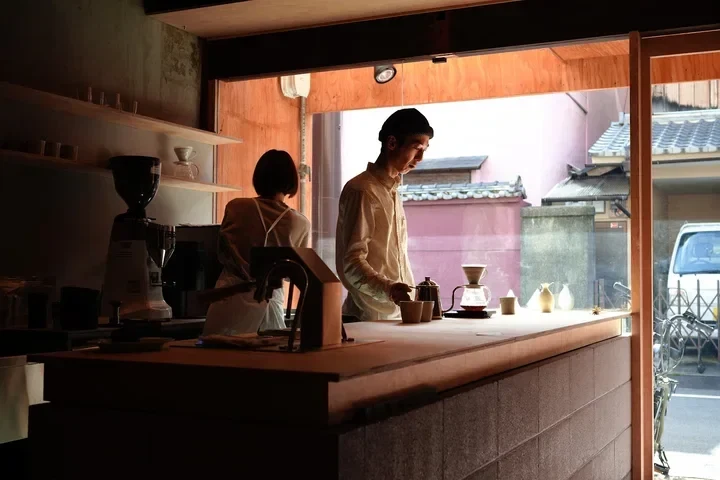
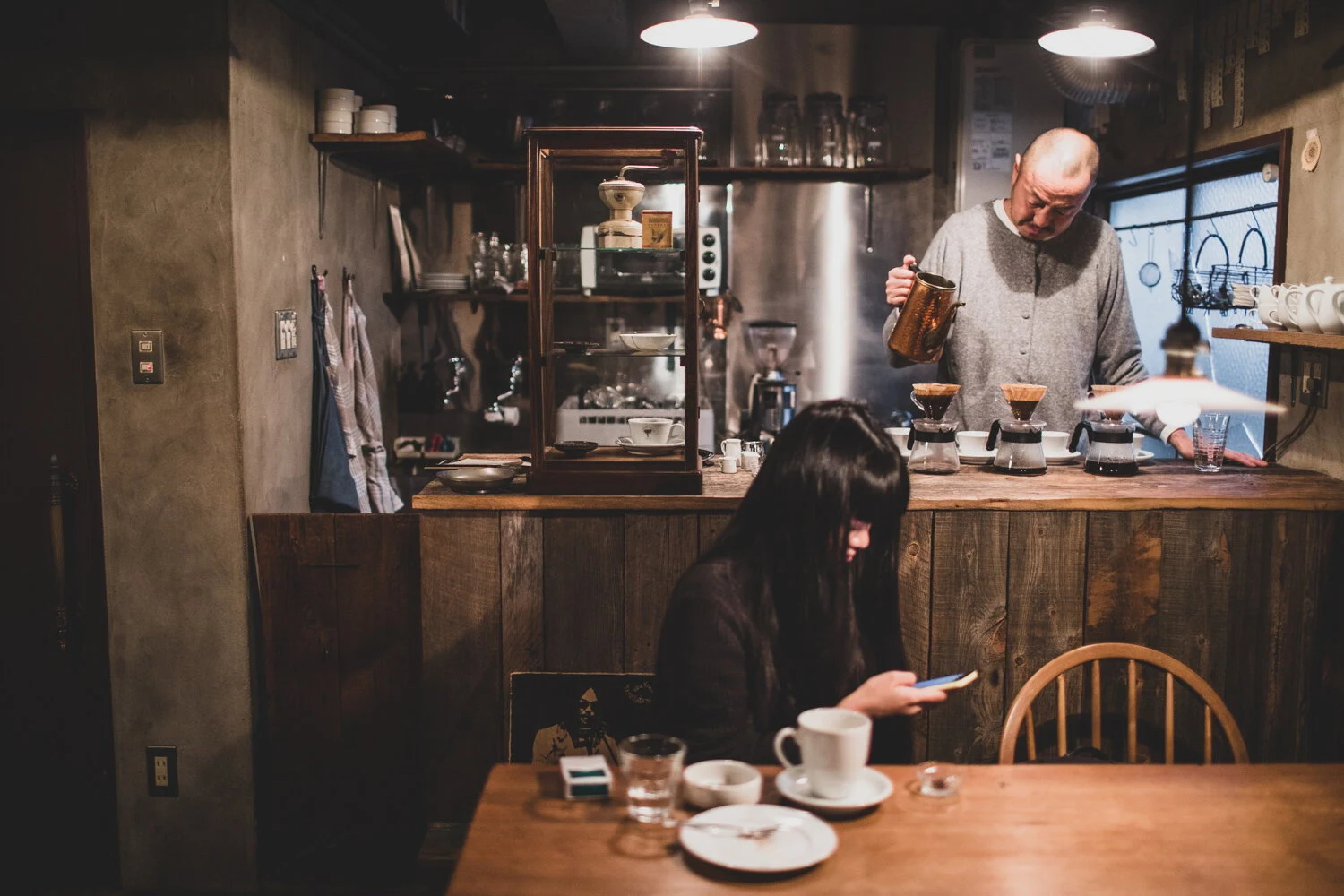
Eight counter seats, no tables, and coffee roasted on site: cafe de corazon is a compact Kyoto café built on self-roasted beans, handmade sweets and close counter service rather than a broad restaurant format. It stands quietly in a residential neighbourhood, which shapes visits around a focused cup, a sweet, a conversation with whoever is working, or beans and gifts to take home.
House-roasted coffee and homemade sweets
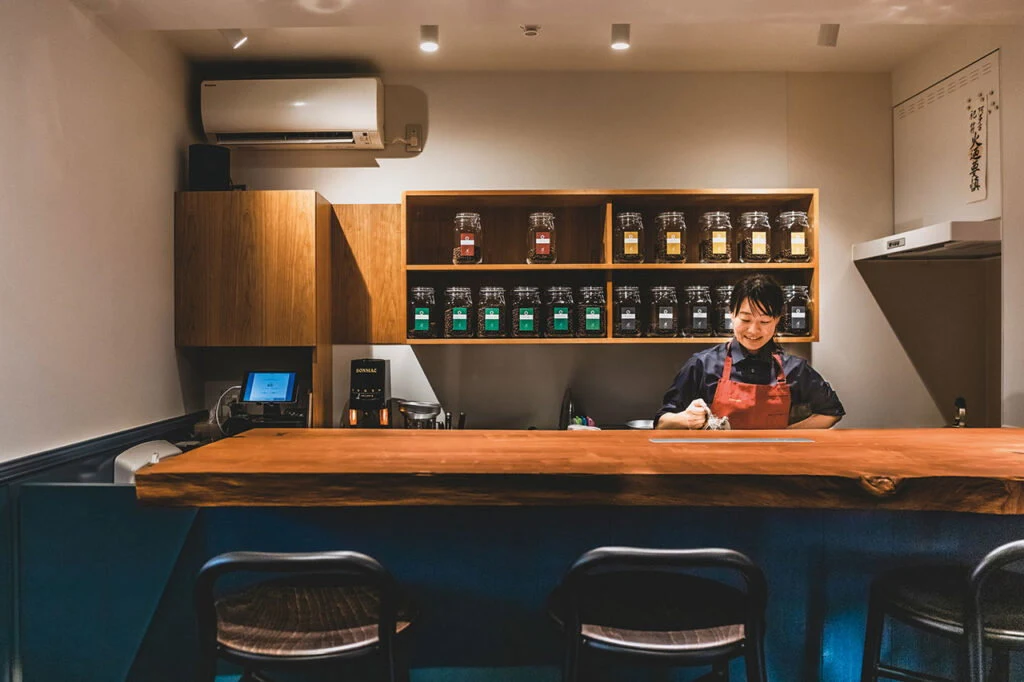
The core is self-roasted coffee and in-house sweets. For a small neighbourhood shop the coffee range is unusually clear: light, medium, medium-dark and dark roasts alongside standard blends. Beans include Ethiopia Sidamo, Nicaragua La Loca, El Salvador Bourbon, Peru Tenku, Brazil Washed, Mild Blend, Panama Donpachi Typica, Tanzania AA Asante, Vietnam Arabica, Colombia Huila and Peru El Pargo Mountain.
That structure makes cafe de corazon both café and roastery-retail counter. Beans, drip bags, tasting sets, regular delivery, gift sets, brewing tools, cakes, baked goods and seasonal sweets share one ecosystem. First-time drinkers can start with a tasting set of three blends across three cups; regulars are clearly expected to come back for beans. House-made sweets include brandy cake, summer mandarin sable, cakes, baked sweets and seasonal parfaits. The shop placed No. 67 on the Tabelog 100 list in 2025.
A small counter-only café with a quiet rhythm
The defining spatial fact is simple: the main shop has eight counter seats and no table seating. It calls itself a small shop standing quietly in a residential area, so the atmosphere is an intimate neighbourhood counter rather than a destination dining room. A second location, Nino, is smaller still at six seats, which says something about the preference for very small spaces.
The counter-only setup is part of the hospitality. The format is framed as easy for solo visitors, with no table service to navigate and no room built for groups. Staff talk with guests often, and that exchange is offered as one of the reasons to come. The result is a hybrid café-retail experience: drink coffee at the counter, discuss beans, pick up drip bags, choose brewing tools, or take home sweets and gifts. It suits one or two people far better than a party.
Order by roast, then add a sweet
Begin with coffee, because the menu is built around roast and origin choice. Move from a standard blend to Ethiopia Sidamo, Panama Donpachi Typica, Tanzania AA Asante, Colombia Huila or one of the Peru lots, depending on roast level and flavour. The approach is approachable rather than technical; people who think they dislike coffee are encouraged to try the house cup anyway, and most find it drinkable.
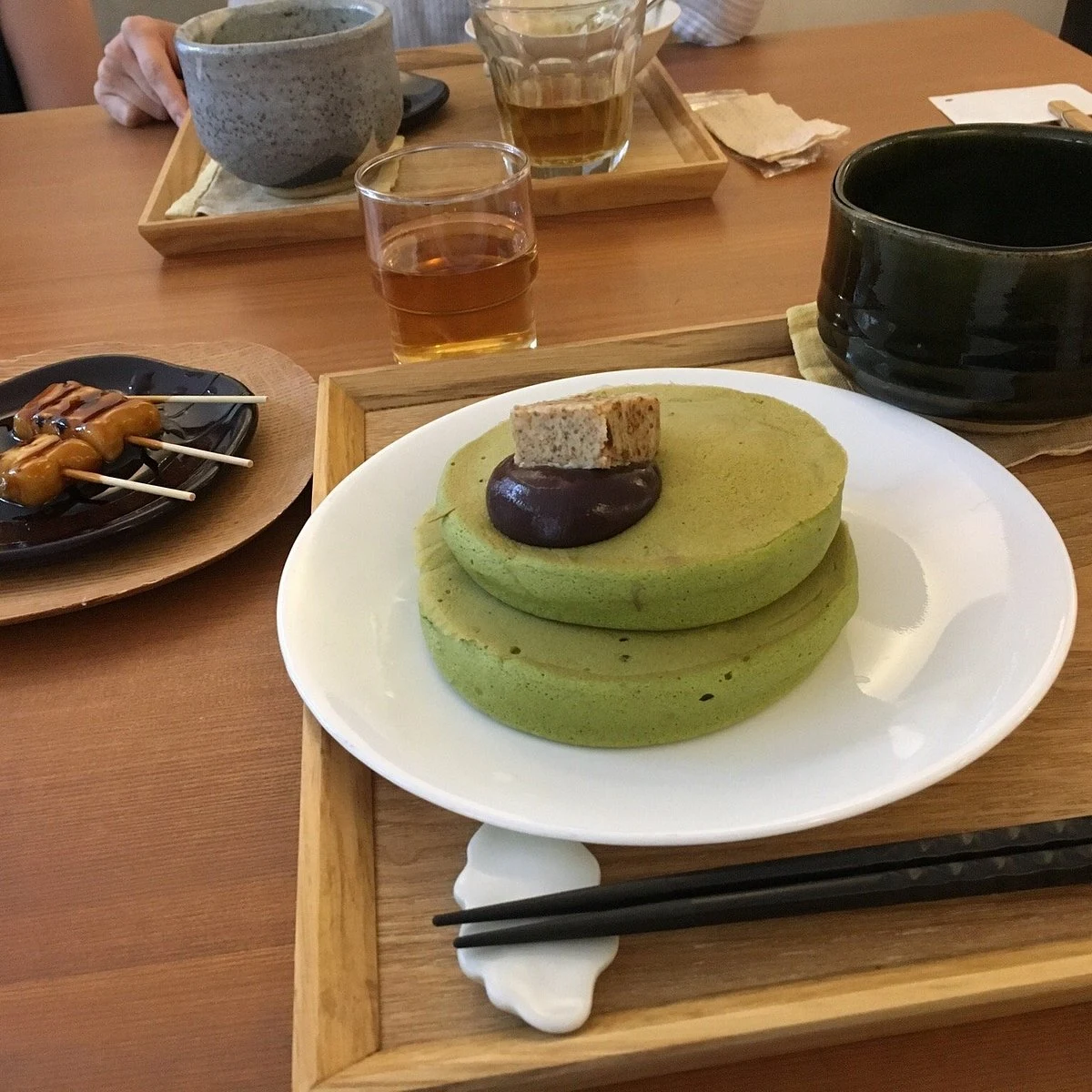
After the cup, add a house-made sweet. Brandy cake is the clear signature, sold in small and large sizes and bundled in gift sets with beans or drip bags. Summer mandarin sable covers the baked-sweets side, while seasonal desserts run to a limited parfait, chocolate mint first among them. The strongest order is simple: self-roasted coffee chosen by origin or roast level, then brandy cake or a seasonal sweet, with beans or drip bags to take the same coffee home.
Tags
Frequently asked questions
What should you order at cafe de corazon?
Choose coffee by roast level or origin first: standard blends sit alongside Ethiopia Sidamo, Panama Donpachi Typica, Tanzania AA Asante, Colombia Huila and the Peru lots. Then add brandy cake, the house signature, or summer mandarin sable. A tasting set of three blends across three cups is the way in on a first visit.
Can you sit down at cafe de corazon?
Only at the counter. The main shop has eight counter seats and no tables, and a second location, Nino, has six, so the format suits one or two people rather than a group. Staff talk with guests often, which makes it comfortable for solo visits and awkward for a large party.
Compare nearby places
| Venue | Type | Area |
|---|---|---|
| yoshihara | Café | Kamigyo-ku |
| Umezono Cafe and Gallery | Café | Nakagyo-ku |
| ELEPHANT FACTORY COFFEE | Café | Nakagyo Ward |
| Ichikawa Ya Coffee | Café | Higashiyama |
| Kaikado Cafe | Café | Shimogyo |