Naka-ku

TOAST neighborhood bakery

Bakery4.1 on GoogleAbout $5 a head
TOAST neighborhood bakery

Why go

Hongocho is not the Yokohama of postcard waterfronts and hotel lobbies. The rhythm here is residential: errands, station walks, school bags, shopping streets, and bakeries that earn loyalty through repetition rather than spectacle. In that setting, TOAST neighborhood bakery reads as part of daily infrastructure, the sort of bread stop regulars fold into a route instead of treating as an event.

Yokohama’s bakery culture has a different pressure from Tokyo’s destination patisserie circuit. The city absorbs Western baking through port history, commuter routines, and neighborhood buying habits; the question is not only technical polish, but whether a shop makes sense on a weekday morning. TOAST neighborhood bakery sits in that practical lane: bread and Western-style sweets, take-out service, no dining-room performance, and a price band that keeps it closer to habit than luxury.

A neighborhood bakery judged by repeat buying, not dining-room theatre

Japanese bread shops often reveal themselves through cadence. A restaurant can impress once with a tasting menu; a bakery has to survive return visits, morning stock decisions, and customers who know what disappears first. That is the useful frame for TOAST neighborhood bakery. Its recognition in Tabelog’s Bread EAST “Tabelog 100” in 2020 and 2022 places it within a selective regional bread category, but the format remains grounded: a take-out bakery in Naka Ward rather than a chef-led counter or dessert salon.

The regulars’ perspective matters because bread is one of Japan’s more demanding casual categories. Shokupan specialists, French-leaning boulangeries, sweet-bread counters, and hybrid bakery-cafes all compete for the same breakfast and lunch money. A shop at this price level has little room to hide behind ceremony. It has to work as an everyday purchase, and the repeat-selection signal is stronger than any florid description of the room.

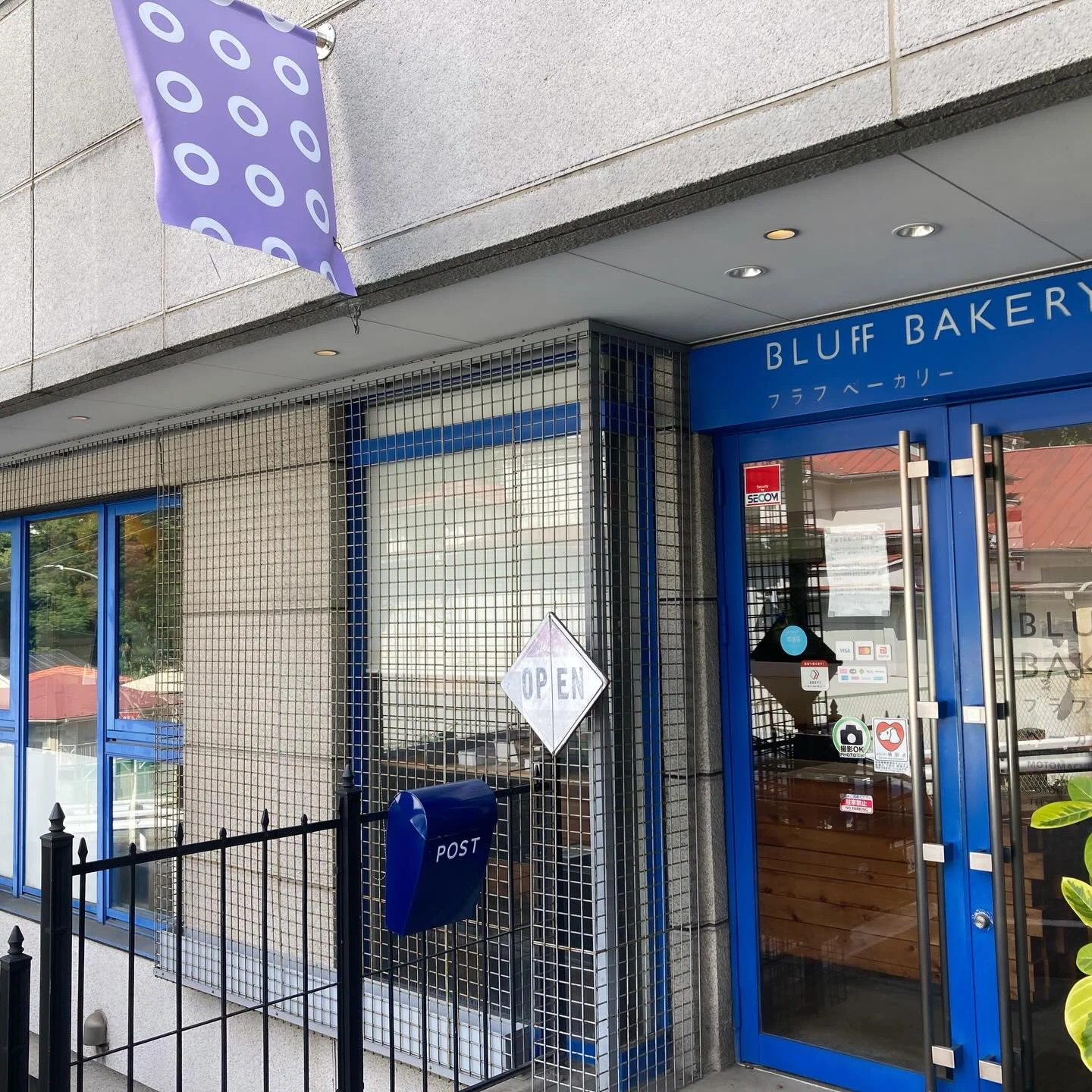
That also explains why the comparison inside Yokohama is less about formal dining and more about use case. BLUFF BAKERY Motomachi honten operates in a similar low-price bakery bracket, while Ri En and Elena move into casual restaurant territory, and Yokohama Motomachi Mutekiro occupies a special-occasion spend. INDU sits in another dining lane altogether. TOAST neighborhood bakery belongs to the part of the city where the question is simple: what earns a place in the bag on an ordinary day?

What the Tabelog Bread EAST selections actually signal

Tabelog’s Hyakumeiten lists are especially useful for categories such as bread, ramen, sweets, and curry because they surface shops that may not fit international award systems. A bakery selected for Bread EAST in both 2020 and 2022 has cleared a public-recognition bar within a field where small differences in consistency, turnover, and local attachment carry weight. It is not the same kind of credential as Michelin dining, and it should not be read that way. It is better understood as a category-specific marker within Japan’s obsessive casual-food ranking culture.

For travelers, that distinction is practical. Yokohama rewards diners who split the day between low-ceremony local stops and more formal meals. A bread run in Hongocho makes a different kind of sense from a planned dinner reservation: it gives texture to the city’s residential food habits. For broader planning, Our full Yokohama restaurants guide maps the wider field, from skewers at 1000 (Yakitori (Grilled chicken skewers)) to old-school local cooking at Aichun, spice-driven meals at Ajowan, soup curry at Alpenjiro Honten, and everyday dining at Anzen Shokudo.

The stronger editorial read is not that TOAST neighborhood bakery should replace a Yokohama meal, but that it rounds out one. Port cities are often judged by harbors, museums, and hotel bars; their food character is also built in small commercial streets where breakfast and afternoon errands happen. Bread in Japan can be deeply local without being loudly traditional, and this is where the category becomes interesting for repeat visitors.

How to place it in a Yokohama day

A sensible Yokohama itinerary does not need every stop to carry the same weight. Pair a bakery visit with a walk through the city’s older residential edges, then save larger spending for dinner, drinks, or a hotel with a view. The value here is scale: a low-cost, take-out format with award-list recognition gives the day an anchor that is neither tourist performance nor luxury dining.

That balance is useful for travelers comparing categories across the city. Dining research can sit alongside Our full Yokohama hotels guide, Our full Yokohama bars guide, Our full Yokohama wineries guide, and Our full Yokohama experiences guide. For regional context beyond the city, nearby and further-afield references include -Grilled beef Sukiyaki- KAMAKURA TANUKIAN 鎌倉 たぬき庵 in Kamakura,. 鮪と炭火焼き うお炭 秋葉原店 in Tokyo,.cafe in Osaka,.know in Kumamoto, (Shoku) Vietnam in Kawasaki, [Curry Senmon Ten] Maruyama Kyoju. in Sapporo, Jōdo Saké Bar in Los Angeles, and Onigiri Time in Pasadena.

The critical case for TOAST neighborhood bakery is therefore restrained but clear. It is a neighborhood bread shop with repeated category recognition, a low barrier to entry, and a format that suits Yokohama’s slower residential circuits. For a traveler who only wants landmark dining, it may feel too ordinary. For one trying to understand how the city eats between reservations, that ordinariness is the point.

Tags

CozyClassicHidden GemSoloCasual HangoutAfter WorkStandalone