Tsuzuki-ku

patisserie IKEDA

BakeryPatisserieAbout $10 a head
patisserie IKEDA

Why go

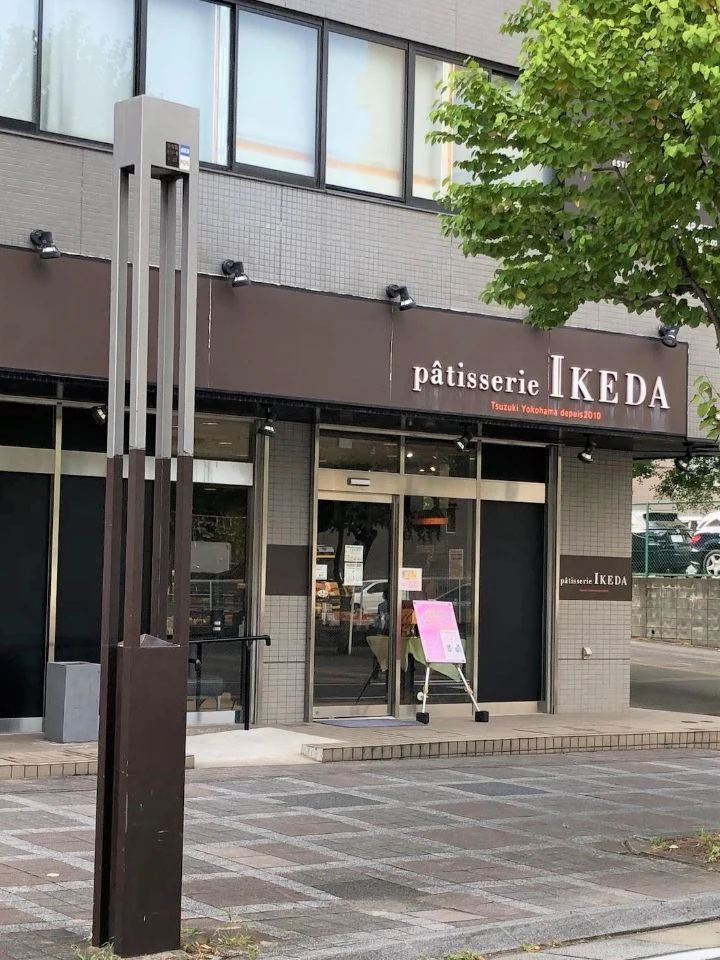
Approaching Center Minami, Yokohama shifts from port-city postcard to planned suburban rhythm: broad pedestrian decks, station exits, families on errands, and small specialist shops doing serious work without central Tokyo ceremony. Here, patisserie IKEDA fits a familiar high-standard, low-drama Japanese category: the neighbourhood cake counter, where the glass case is the stage and take-out is the format.

Yokohama’s dining identity is often reduced to Chinatown, ramen history, and waterfront hotels, but its residential districts tell a quieter story. Around Tsuzuki-ku, value and craft sit close together. A cake shop in the JPY 1,000 to JPY 1,999 range competes not by making dessert a seated occasion, but by making precision accessible for a weekend purchase, gift box, or planned post-train stop. That puts it apart from meal-focused Yokohama addresses such as Ajowan, Alpenjiro Honten, Aichun, and 1000 (Yakitori (Grilled chicken skewers)), where value is built around a full meal rather than a short, deliberate purchase.

French-Japanese cake craft in Yokohama's commuter belt

Japanese patisserie has long treated French technique as discipline, not costume. The national style prizes clean edges, controlled sweetness, seasonal fruit work, and packaging that assumes cakes may travel across town before serving. In Yokohama, that tradition meets a commuter-and-household city, so pastry shops carry a practical social role: birthday cakes, visiting gifts, after-dinner slices, and small rewards bought with surgical intent.

The trust signal is not a lavish dining room or long tasting format. patisserie IKEDA was selected for Tabelog Sweets EAST “Tabelog 100” in 2020, 2022, and 2023, useful where repeat local approval matters. Its Tabelog score is 3.69, and the shop is categorized as cake, keeping the brief clear. This is not a café masquerading as a dessert destination; the logic is counter, case, selection, exit.

The owner’s training at Patisserie Sadaharu Aoki gives the shop a credentialed French-Japanese reference without turning this into biography. Aoki’s influence in Japan helped normalize sharper, more Paris-facing patisserie for domestic customers: color discipline, ingredient clarity, and a lighter hand than older butter-cream nostalgia. In a Yokohama suburb, that lineage reads less as luxury signalling than as executional standard.

The counter format makes the choice the experience

Take-out patisserie asks for different attention than restaurant dining. There is no server narrative, pairing structure, or course arc. The experience compresses into minutes spent reading the case, weighing freshness against transport, and deciding whether the purchase is for immediate eating or someone else’s table. That compression can feel more honest than a dining-room dessert course: every decision is visible, and the buyer must commit.

At patisserie IKEDA, the appeal sits in that compact ritual. The non-smoking listing, JCB and AMEX card acceptance, QR-code payment acceptance, and take-out service point to a modern suburban operation rather than an old-school kissaten model. Private rooms and private use are unavailable, consistent with the format. This is not a place to linger over plated dessert; it is a purchase-led stop where success depends on selection, timing, and how the cakes survive the journey home.

That distinction matters beside Yokohama addresses at similar price levels. BASCULE and Ajowan sit in the same broad budget band, while SONJIN and Ashibi push higher for some meals; Ramen Kujira Ken Yokohama honten is also accessible but serves a different need. The useful comparison is not cuisine-to-cuisine quality, but how much occasion each format creates. A ramen counter solves hunger quickly. A curry or grill address structures a meal. A patisserie turns a small spend into a social object: a box carried onto the train, set on a home table, or handed over without explanation.

For travellers, Center Minami corrects Yokohama’s usual food map. Central districts are easier to package into an itinerary, but the suburbs show how Japanese food culture works during ordinary weeks. Dessert buying is not peripheral; it is part of visiting etiquette, celebration, and household routine. A serious cake shop outside the tourist circuit can say as much about local taste as a famous dining room.

How to fold it into a Yokohama food day

Treat the shop as a targeted stop rather than the anchor of a long outing. Center Minami Station is the transit point, and the address sits in Chigasaki-chuo, Tsuzuki-ku. The format suits a daytime route through northern Yokohama, especially if built around casual dining rather than formal reservations. For a broader city read, pair this specialist stop with Our full Yokohama restaurants guide, then use Our full Yokohama hotels guide, Our full Yokohama bars guide, Our full Yokohama wineries guide, and Our full Yokohama experiences guide so the day does not collapse into one neighbourhood.

Reservations are listed as available, though the format is take-out, so planning is less about securing a table than avoiding disappointment on specific cakes or larger orders. The shop closes on some weekdays, and hours differ by day, so make it an intentional station-area stop rather than an improvised late detour. Parking is available through a nearby affiliated Times lot with a purchase-linked service, useful where many customers arrive by car rather than as tourists on foot.

Yokohama also works as a bridge city for a wider Japan food itinerary. Nearby and regional contrasts sharpen the point: (Shoku) Vietnam in Kawasaki speaks to commuter-belt diversity north of Yokohama, while -Grilled beef Sukiyaki- KAMAKURA TANUKIAN 鎌倉 たぬき庵 in Kamakura pulls the route toward a historic coastal meal. Farther out,. 鮪と炭火焼き うお炭 秋葉原店 in Tokyo,.cafe in Osaka,.know in Kumamoto, [Curry Senmon Ten] Maruyama Kyoju. in Sapporo, Anzen Shokudo, Jōdo Saké Bar in Los Angeles, and Onigiri Time in Pasadena show how Japanese formats travel, split, and adapt across cities.

The editorial read is clear: patisserie IKEDA is strongest for travellers who care about the everyday systems behind Japanese taste. Awards give it external validation, the price band keeps it approachable, and the take-out model emphasizes where Japanese patisserie often excels: selection, presentation, transport, and the quiet confidence of a cake bought for somewhere else.

Tags

CozyHidden GemClassicFamilyCelebrationCasual HangoutSoloStandalone